The spotlight has never really left Virat Kohli and Rohit Sharma. After nearly two decades as the captain of Indian cricket and more than 35,000 international runs between them, every innings they play is scrutinised like no other. A century is applause but a single low score often prompts questions about retirement and whether it’s time to move on.
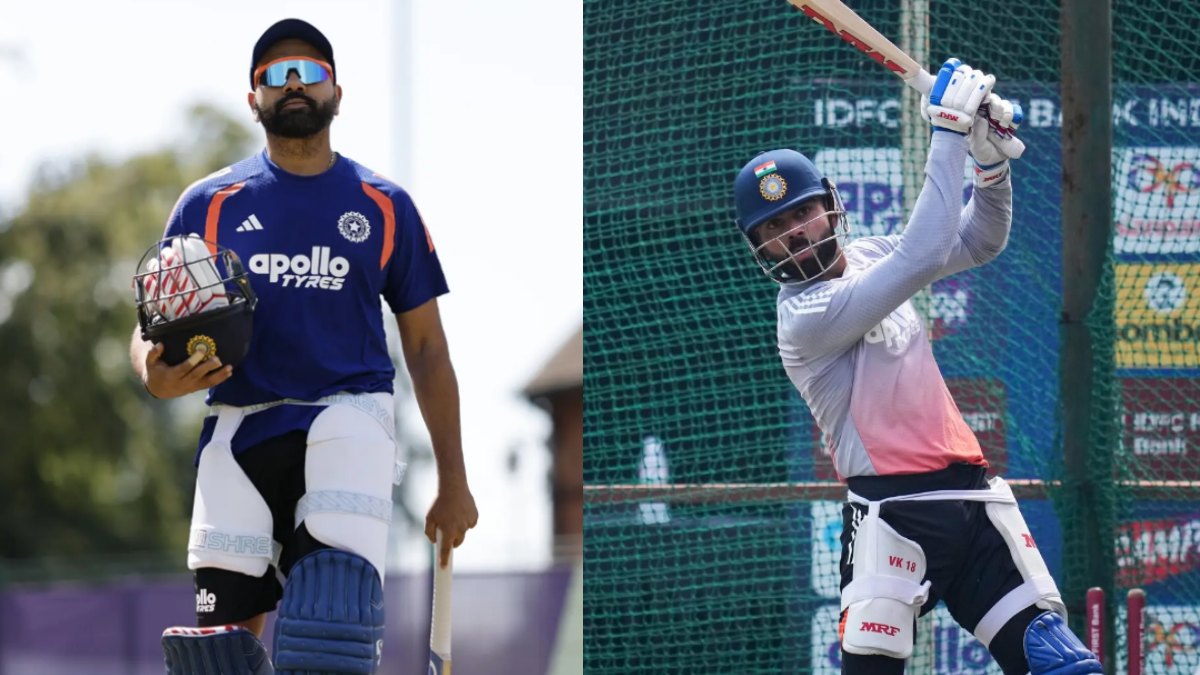
That familiar debate re-emerged after India’s opening ODI against England at Edgbaston. India recovered from the disappointment in the T20I series to win by a large margin and take a 1-0 lead in the three-match ODI series, but so much of the post-match discussion was about Kohli and Rohit’s failure to perform.
One Match, Same Old Questions
Rohit Sharma took just 11 runs and scored just 11 runs opening the innings in front of Shubman Gill before giving a catch to Harry Brook against Sam Curran. Virat Kohli’s innings ended even quicker with Jofra Archer trapping him LBW for 5 runs.
For most batters, these dismissals would simply be viewed as part of cricket. But for Kohli and Rohit, one failure is often sufficient to trigger a debate on whether they should continue to be part of India’s plans for the 2027 ODI World Cup.
Both legends are judged on standards few players in the world of cricket hope to meet. They are no longer compared with their contemporaries but rather with the extraordinary versions of themselves that redefined modern ODI batting.
Rotation is about workload and not replacement
The news that the BCCI is considering a rotation policy in ODI cricket has also fuelled speculation about the veterans’ future in ODI cricket.
But rotation shouldn't be mistaken for replacement.
With the World Cup not even a year away, managing workloads while providing opportunities to younger players is both reasonable and necessary. That is how India can build squad depth without leaving out experienced campaigners who have come up with the goods on the biggest stages.
Gill's Backing Speaks Volumes
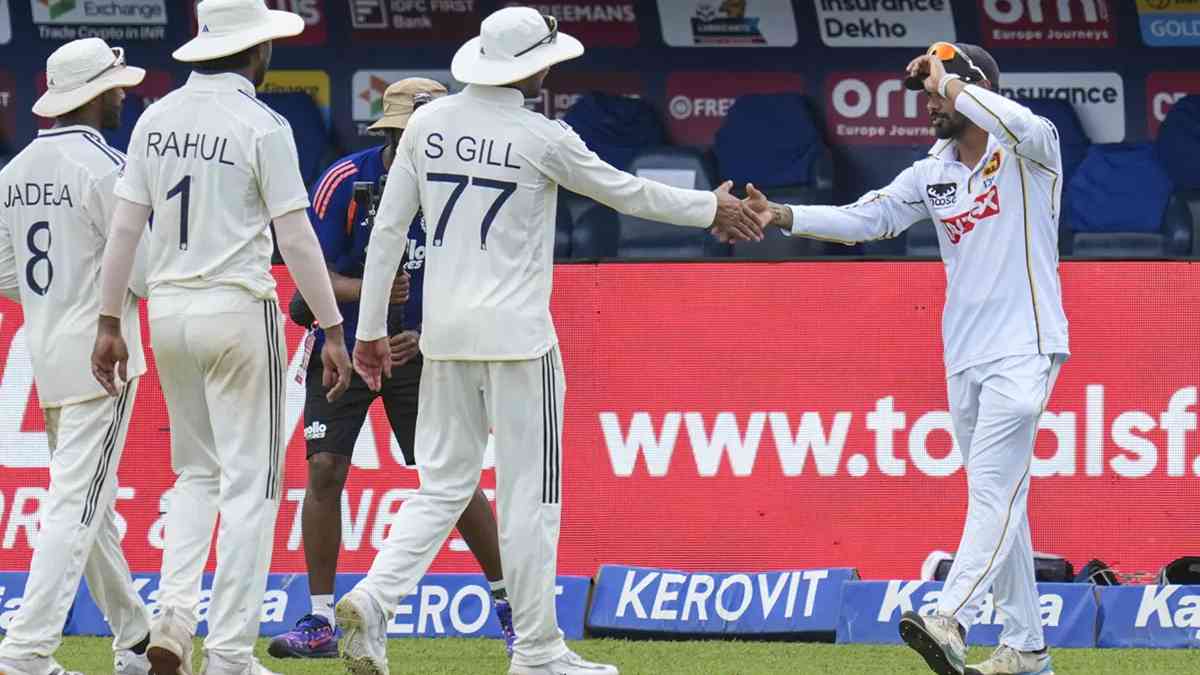
Shubman Gill made India's position crystal clear after the match. He referred to Kohli and Rohit as the backbone of India's batting line-up and said that both remain central to the team's World Cup plans.
They have value beyond stats. They have experience, tactical thinking and an unrivalled ability to absorb pressure—a quality that’s more valuable at ICC tournaments.
Experience Wins World Cups
History has shown that major tournaments are rarely won by talent alone.
Teams need players who have experienced high-pressure knockouts, know how to handle it when the match is tough and how to make a good deal out of it when things go wrong.
Few cricketers possess those qualities more consistently than Kohli and Rohit. Kohli remains one of the world’s most dependable ODI batters while Rohit’s ability to dominate the Powerplay continues to give India explosive starts against any opposition. For all their success in the past years, judging their World Cup credentials on one bad innings ignores years of great performance.
Selection Must Still Be Based on Performance
None of this indicates that either player should be guaranteed a place just because of reputation.
Performance should always be the deciding factor. If Kohli or Rohit has a sustained decline over an extended period of time, the selectors will have to make difficult decisions.
But there is an important distinction between demanding accountability and reacting emotionally to every low score. India still have many ODIs before the 2027 World Cup. Lean patches are inevitable—even for the greatest players.
The future is already here
India’s next generation is already taking shape.
Shubman Gill, Yashasvi Jaiswal, Ruturaj Gaikwad, Tilak Varma and young Vaibhav Suryavanshi represent the future of Indian cricket. But successful transitions are not about rapid decisions driven by public sentiment.
The ideal scenario is one where young players gradually establish themselves while learning alongside two of India's greatest-ever batters.
Let Legends Be Judged Fairly
The most fair way to evaluate Kohli and Rohit is not by expecting centuries every week, but by asking a simple question: Are they still among India’s best ODI batters?
If the answer is yes, they deserve to be in India's plans for the 2027 World Cup. If performances eventually say otherwise, then Indian cricket will naturally move forward.
Until then, every low score should not be considered as a retirement announcement. And even legends are allowed to fail.