It goes much further than having the right gear or deciding the perfect place to visit. All in all, when you have to get out on a mountain hike, at least if you want to go on epic hikes and climb up a mountain, you need to be able to survive long walks with big hills, big mountains, big falls, and very rough terrain, and not know what you know.
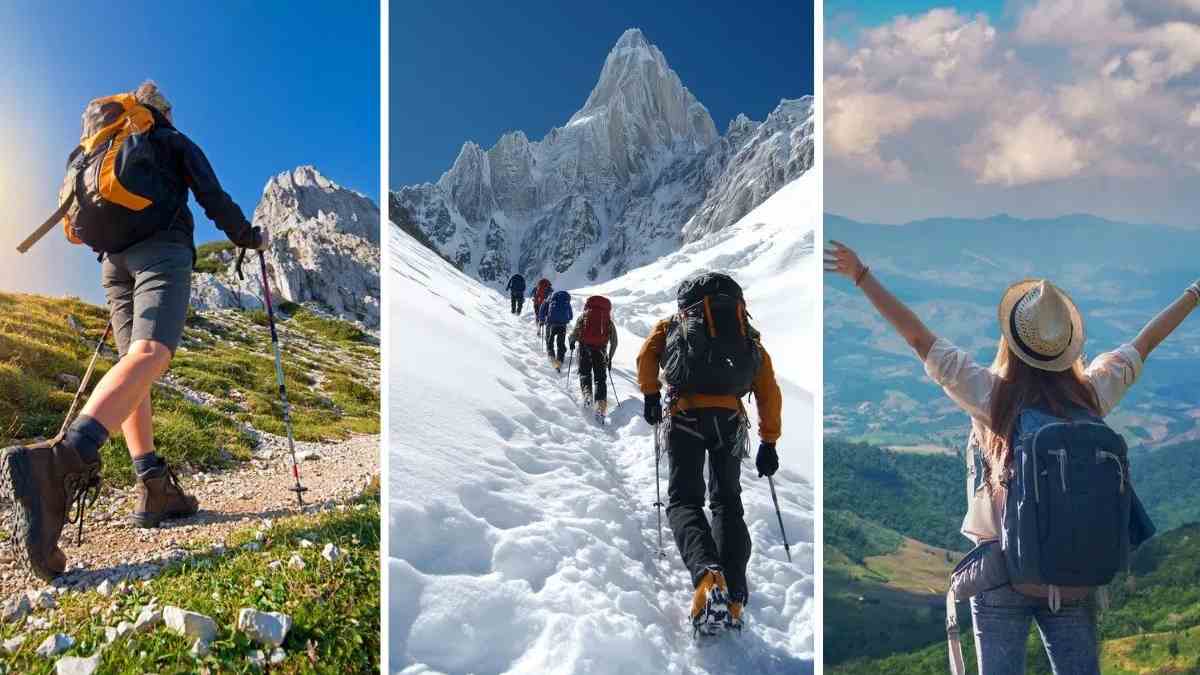
The good news is you don't need an expensive gym membership or professional equipment to prepare. With consistent, disciplined, and simple exercises at home, anyone can build the stamina and strength required for trekking.
For this eight-week training plan that gradually prepares your body for mountain hiking, here is a practical eight-week course of training.
Why Physical Preparation Matters
Mountain trekking puts constant demands on your muscles, joints, lungs, and heart. Unlike regular walking, trekking involves:
Long-distance walking
Climbing steep inclines
Descending uneven trails
Carrying a backpack
Maintaining balance on rocky terrain.
Without proper preparation, fatigue, muscle soreness, and injuries become much more likely.
Week 1–2: Build the Foundation.
So the first two weeks need to be spent working on mobility and building a basic fitness program.
Every week, we do 3-4 sessions per week.
Exercises include:
- Brisk walking for 25-30 minutes.
- Bodyweight squats (3 sets of 10).
- Wall push-ups (3 sets of 10).
- Glute bridges.
- Standing calf raises.
- Plank hold (20-30 seconds)
At the end of every session, stretch your hips, calves, hamstrings, and lower back.
Week 3–4: Improve Strength
Once your body gets used to being moved, you will increase the intensity.
Add:
Walking lunges
Step-ups using household stairs
Bulgarian split squats
Side planks
Superman exercise
Single-leg balance drills
At this point, walk for 40 minutes, for the entire walk to be around 40 minutes with a comfortable pace.
Week 5–6: Build Endurance
Now focus on exercises that very much resemble trekking movements.
Include:
Stair climbing for 20-30 minutes.
Backpack walking with a 5-7 kg weight
- Jump squats.
- Reverse lunges.
Mountain climbers. Farmers carry water using water bottles or grocery bags.
I am going to try to do one longer walk of 60-90 minutes every weekend for one longer walk every weekend.
This stage helps to build cardiovascular endurance and strengthen your legs and core.
Week 7–8: Trek Simulation
The last part of the training prepares the body for actual trekking.
Perform:
Stair climbing with a backpack
Long brisk walks
Squats (15 repetitions)
Walking lunges
Plank variations
Single-leg deadlifts
Step-ups
If possible, spend one day walking on uneven terrain like parks, small hills, or nature trails.
You carry the backpack you will use for your trek.
Don't Ignore Mobility
Flexible muscles reduce fatigue and lower injury risk.
Stretch after every workout, focusing on:
- Hip flexors, quadriceps.
- Hamstrings.
- Calves.
- Ankles.
- Lower back.
- Shoulders
Yoga also improves flexibility and breathing control.
Practice with Your Backpack
Most of the first-time trekkers do not realize the importance of carrying weight.
Starting with a light backpack and gradually increasing it to the expected trekking load is in order.
This helps strengthen:
- Shoulders.
- Lower back.
- Hips. Core muscles.
- Nutrition Tips
Fuel your training with balanced nutrition.
Include:
Lean protein
Whole grains
Fresh fruits
Vegetables. Healthy fats. Plenty of water
Don’t skip meals before training.
Recovery Is Essential
Recovery is when your body strengthens during recovery.
Remember to:
Sleep 7-8 hours daily
Take at least one rest day each week. Stay hydrated. If pain develops, listen to your body. Some Trekking Tips.
Before heading to the mountains:
- Wear trekking shoes when you walk in your practice walks.
- Break in new footwear before you go on a trip.
- Learn basic breathing techniques for climbing.
- Walk up and down in elevation as often as possible.
- Keep sufficient water during training.
- Final Thoughts
Mountain trekking is as much about preparation as it is about adventure. Your endurance, leg strength, balance and confidence will all improve significantly if you do a structured eight-week home training program before you start walking out there.
You’re going to be able to enjoy the beautiful views and difficult climbs, and your trekking is only so much more enjoyable if you train, eat, and recover properly.