While the northern hemisphere’s aurora borealis is always in the spotlight of travel, the same spectacular southern lights are an elusive and mesmerizing phenomenon. The aurora australis (or southern lights) is seen in high southern latitudes, in the sky above Antarctica, southern Australia, and New Zealand, and sometimes in a few places in South America. It is rarely seen or well-covered as in the north, but the best of them are those where one can see brilliant green, fiery red, and sometimes deep purple.
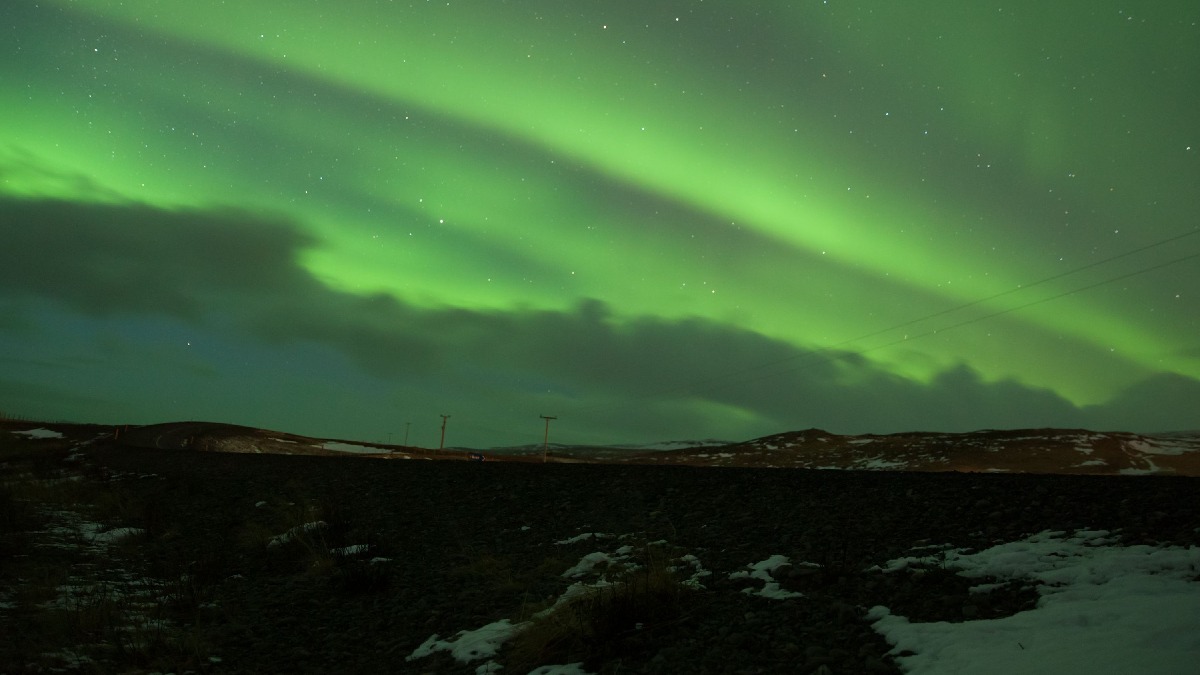
When is the best time to visit? For most of us, the best time is May-August: nights are the longest and darkest in southern winter. During this time, the display is active for 1-3 hours and, generally, around 10:00 PM-2:00 AM local time. But some of the best guides tell us to plan around the equinox months of March or September. Stargazers can work with mobile apps to track geomagnetic activity in order to get the best viewing times in real time.
Where are the best places to see the lights in the southern hemisphere? There are some great places to see the lights in the southern hemisphere and a lot of prime areas. In Australia, the best places to see the lights are on the island of Tasmania, the most accessible and always visible ones in Australia. If you want the most high-angle view, the South Arm Peninsula, remote Cockle Creek, Cradle Mountain, and Mount Wellington offer stunning views of the southern horizon with the most beautiful view of all light and sky. Across the Tasman Sea, New Zealand also has a perfect place to look for the most beautiful sights of the night sky (Lake Tekapo and Stewart Island having very dark skies and crystal-clear water reflections). Antarctica is still an adventure place for anyone who wants the purest and perfect sight, and most people can only see it on an expedition in Antarctica.
The journey to these remote dark-sky places should be considered carefully. Most travelers start with flights to gateway cities like Hobart in Australia and Christchurch, Queenstown, Invercargill, and Dunedin in New Zealand. So when in these cities, passengers can go on to local ground transportation where they can rent buses, trains, or car rental services to get out into the countryside. Local road transport then goes in order to access isolated coastal areas, inland valleys, and high ground removed from city light pollution.
Lodging is also very important for a good astrophotography trip. Guests are strongly encouraged to find comfortable accommodation in rural cabins, rustic lodges, lakeside resorts, or quiet southern hotel rooms near the best viewing locations. The best way to do that is to fly to a major regional gateway city, continue on a local transportation route to get to the best places to sleep in remote areas, and settle in beneath the Southern Cross to witness one of nature’s most extraordinary light shows.