The flood-ravaged Nepal has also disrupted travel plans for Indian tourists and many of them cancelled or cut short their holiday trips as the issue of road connectivity, safety and access to popular destinations has forced many of them to cancel or cut short tours as road connectivity, safety fears and access to popular destinations keep growing. The situation has also put a hold on the festive and winter travel plans for Indian tourists and travel companies in several Indian states are reporting huge drops in bookings.
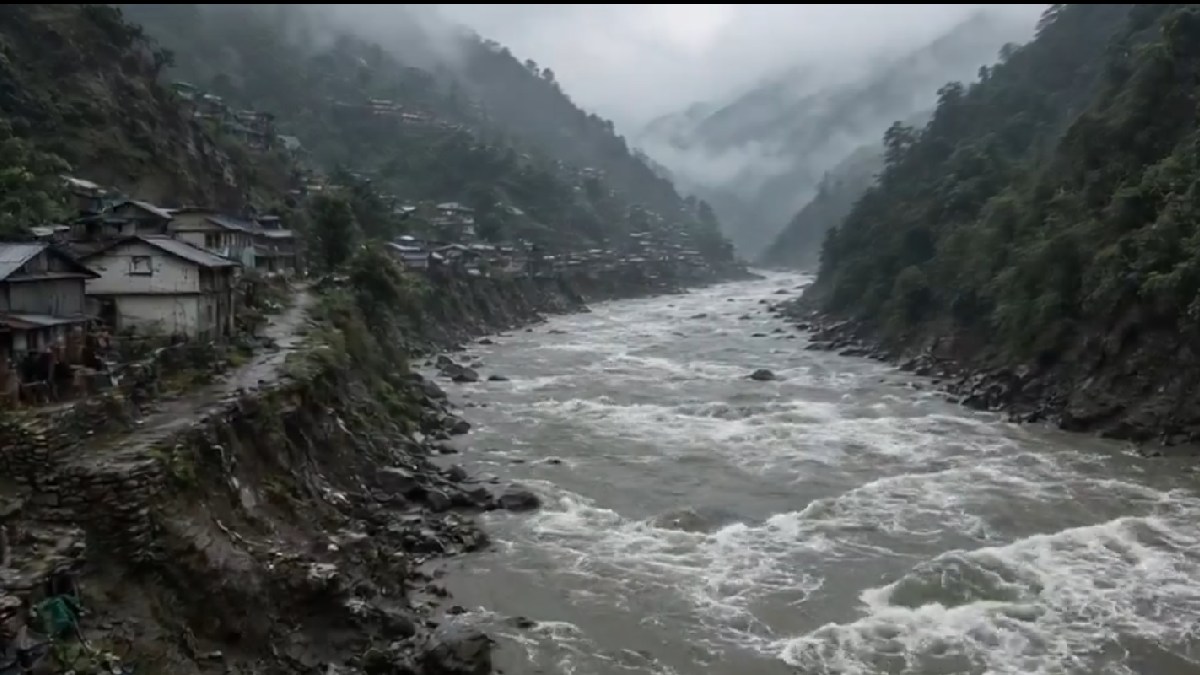
Nepal is one of the few top international destinations for Indians with a good location, relatively inexpensive travel and cultural ties to India. Kathmandu, Pokhara, Chitwan, Lumbini and other Himalayan places attract tourists all year round. But the recent floods and landslides have forced travellers to reconsider their travel plans, especially for those who travel by road through affected areas.
There are so far cancellations for trips planned for late September and October and travel agencies are reporting huge numbers of trips have been cancelled. Travel operators in Jharkhand have reported cancellation rates of 60-70 per cent for some upcoming bookings. In Bihar, travel to Kathmandu and Pokhara through Janakpur was reported to have fallen dramatically with the operators saying tourist movement had dropped to zero in recent days.
The impact is also felt by tourists who had already visited Nepal. A few Indian tourists have cut their holidays short and returned to India via the Sonauli border in Uttar Pradesh after experiencing flooded roads and difficult travel conditions. Travellers heading to destinations such as Kathmandu, Pokhara, Chitwan and Nepalgunj have said road conditions are unsafe in some areas.
For many families, safety has become the biggest concern these days. Travellers who planned religious trips, family holidays and winter vacations have now looked at conditions in individual destinations and are looking for conditions in the individual destinations before they go on and make decisions about where to travel and what could be the way to go now. Some families have shifted their planning to other international destinations rather than travel to Nepal, as the recovery and rescue operations continue to progress.
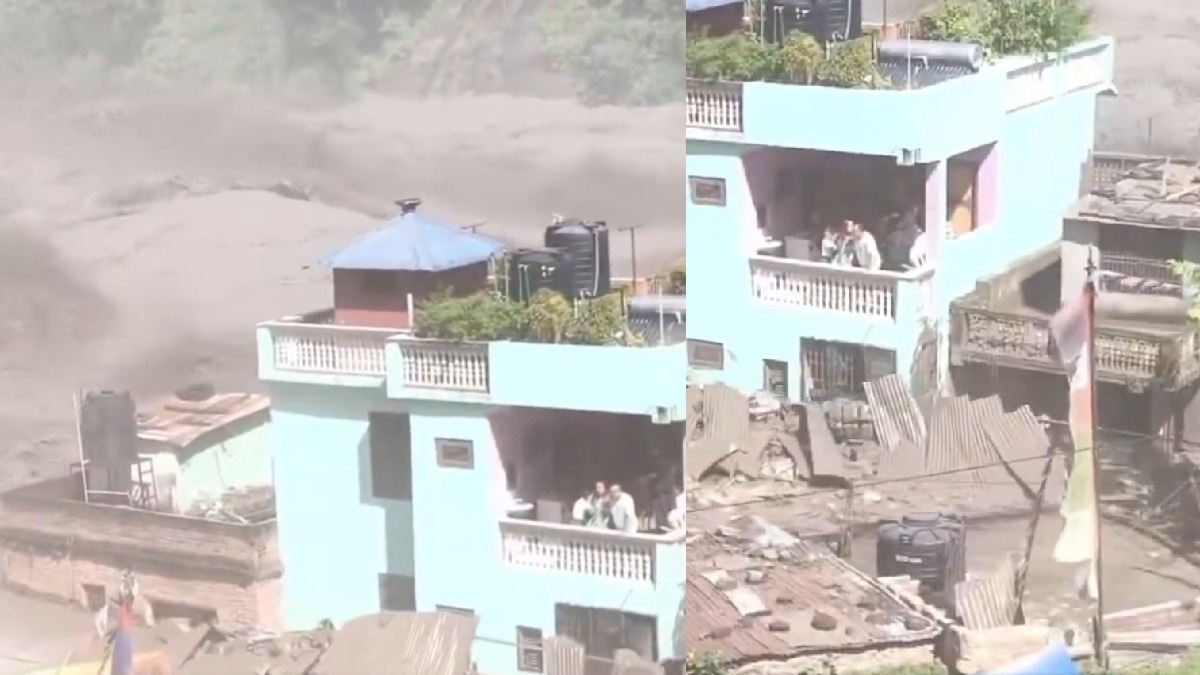
The flooding has also put travel operators in pain. Road closures and damaged infrastructure have made it difficult for agencies to go ahead with planned tours, and cancellations are putting financial pressures on travel agencies by making it tough for those that depend on seasonal tourism business as well. The disruption comes at an especially important time of year since the festive season has become a busy period for travel companies who sell Nepal packages from Indian cities.
The situation is particularly dire in the mountainous areas near the Nepal-Tibet border. A devastating flash flood caused by a glacier-related event has caused widespread destruction, and rescue operations have been hampered by terrain, destroyed infrastructure and weather. Nepal has reported hundreds of deaths and thousands of people missing, including foreign nationals. Indian authorities have also been involved in rescue and relief efforts as families seek information about travellers and pilgrims.
The disaster has affected more than just regular tourists. Indian pilgrims travelling on religious trips have also been affected. Missing and stranded Indian nationals, including those who are travelling to the Kailash Mansarovar region, have been reported from various sources in the Indian media. The Ministry of External Affairs is working closely with the government and with the people affected by the floods.
If Indians going to Nepal in the coming weeks are to go through the latest official advisories to plan for it, the latest ones should be reviewed. Travellers should check the road status, hotel availability, transportation availability and weather situation before they head off. Road trips are most dangerous as flooding and landslides can quickly take place on mountain routes and border crossings.
But travellers should also not depend on outdated social media posts or published itineraries. Conditions can change quickly during a natural disaster, in which case a route that was available when a booking was made may no longer be safe. Flexible booking and confirming cancellation or rescheduling agreements with airlines, hotels and tour operators can also help to minimize financial losses.
Nepal floods are a reminder that even popular travel destinations are difficult to access in extreme weather conditions. Nepal is still a tourist destination for Indians, but the safety of the people in India is the first and foremost concern. Tourists with upcoming trips should be on the lookout for official news and delay trips to areas where the authorities or local conditions indicate that travel is unsafe.
For Nepal’s tourism industry, recovery will take time. Tourism-related businesses such as hotels, transport operators, guides, and travel agencies are critical for the country’s tourism industry and economy. With continued recovery and rebuilding in hand, the tourism industry will have to overcome the difficult task of restoring traveller confidence while repairs to the damaged roads and infrastructure will take time.
The current wave of cancellations does not necessarily mean Indian travellers have permanently turned away from Nepal. Instead, many are postponing their trips until conditions improve. Once roads, tourist facilities and transportation networks return to normal and safety concerns ease, Nepal could once again become a preferred destination for Indian tourists seeking affordable Himalayan holidays.