BMW will reduce the global workforce of the luxury car company by almost 8,000 people and is one of the biggest restructuring plans of the company to date. This comes at a time when the automotive industry is undergoing a very rapid transformation driven by electrification, digitalisation, changing consumer preferences and increasing competition from established and emerging electric vehicle (EV) manufacturers.
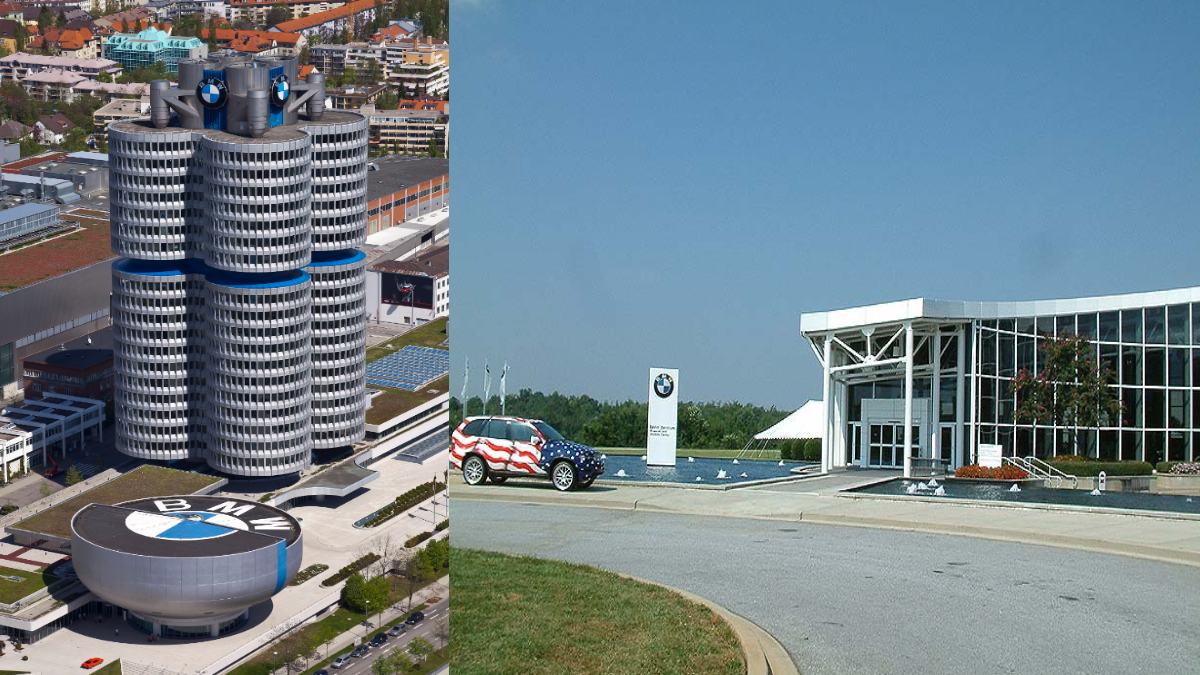
The workforce reduction is part of a wider strategy to make the business easier, better organize and better compete in an industry that is experiencing a monumental technological change in its long run, he said. Although the company has not yet disclosed the geographic distribution of the affected positions in the company, industry reports show the restructuring would impact many different business units in various international markets.
BMW said the decision is to create a more agile organisation that can respond faster to the market changes. Like every other global carmaker, it is investing billions in electric mobility, software development, battery technology, connected vehicles and autonomous driving systems. The investment has a big financial cost and manufacturers need to evaluate operations cost and workforce deployment.
It is clear that the luxury carmaker believes the restructuring is to put the workforce in line with the future business priorities, not just make the money. Company bosses have said resources would be put towards high-growth technologies (e.g., electric vehicles, artificial intelligence, digital engineering, sustainable manufacturing). As the automotive industry moves away from the old internal combustion engines, demand for certain roles has changed, as well as new skills have become more and more important.
The announcement is in line with the global car industry trends. Most major automobile companies have introduced restructuring plans in recent years in order to cope with the transition to cleaner transportation and digital mobility solutions. Increasing investment costs, changing global market demand, supply chain issues, geostrategic uncertainty and more environmental laws are driving automakers to re-examine their long-term business strategy.
Luxury vehicle manufacturers are facing unique challenges even if they retain a relatively high brand value in the market. But premium vehicle demand is robust in most markets, and companies must invest in new technology and also remain profitable. Many manufacturers are therefore adopting cost-control measures and boosting production capacity and organisational structures.
BMW has assured its employees, investors and customers that the restructuring will be carried out responsibly and in line with labour regulations in the countries where it operates. Employee adjustments will be managed by voluntary retirement schemes, natural attrition, internal redeployment, and negotiated agreements with employees, the company said. Labour unions and works councils will be involved in the implementation process, BMW added.
The company reaffirmed its commitment to innovation and sustainability despite the announced workforce reductions. BMW continues to expand its portfolio of electric vehicles under its BMW, MINI, and Rolls-Royce brands while investing in battery research, circular economy initiatives, carbon-neutral manufacturing, and digital customer experiences. This strategic investment is also vital for long-term growth and will allow the company to maintain its position in the highly competitive premium automotive market.
The announcement has been met with mixed reactions from investors and labour organisations. Financial analysts see restructuring as a necessary step to improve operational efficiency and to stay competitive in a changing industry. Employee representatives have also voiced concern about the effect of job loss on workers and their families and have voiced a call for the company to invest heavily in redeployment, retraining and support programmes as a result.
Reskilling existing employees will be an important part of the automotive industry’s transformation, experts say. Automation, software engineering, artificial intelligence, and battery technology are among the traditional roles that will likely evolve and not disappear with manufacturing. Companies that invest in workforce development are better prepared for future industry disruption and keep the institutional knowledge in place.
BMW’s restructuring announcement also shows the global transformation throughout manufacturing. Electric mobility is reshaping production methods, supply chains, research goals and employment patterns everywhere. Not only are companies competing for vehicle design and engineering, but software capabilities, digital ecosystems, charging infrastructure and sustainable business practices too.
Despite the planned workforce reduction, BMW expressed confidence in the company’s long-term strategy and future growth prospects. The restructuring is designed to build and strengthen the organisation for the next phase of automotive innovation while still providing premium products and services to customers around the world, management said.
As implementation begins, the industry will be watching BMW to see how it can balance operational efficiency and staff welfare, as well as employee welfare and technological advancement in the new BMW as part of their strategy to integrate efficiency of the business with the business model. It’s a big change and the restructuring shows that the world’s automotive industry is changing drastically in the event of the automotive industry at large scale and in the future of the automotive sector that manufacturers are preparing for an electric, connected and digital future of cars as it is today’s world of cars.