Google Gemini will arrive in Mahindra’s electric vehicle ecosystem in 2027, a significant step forward in the integration of generative artificial intelligence with connected-car technology. It would change how drivers and passengers interact with their vehicles, moving away from just voice commands to a more conversational and intelligent in-car assistant.
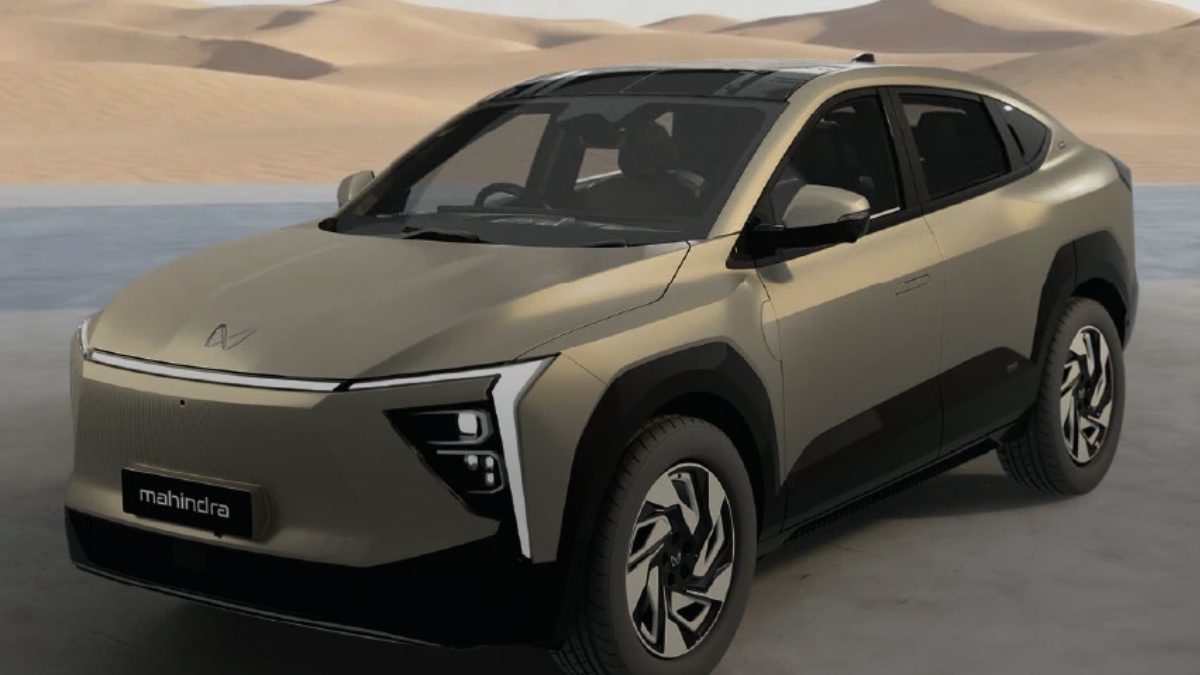
For Mahindra EV owners, Gemini will mean a vehicle that can understand more complex requests and help with a wider range of everyday tasks.
The partnership reflects the growing competition between automakers to make software and artificial intelligence an integral part of the modern driving experience. Electric vehicles are being designed as connected technology platforms rather than merely transportation machines. With large infotainment displays, connected services, digital controls and over-the-air software updates becoming more common, automakers are looking at AI to make these systems easier and more useful.
Google Gemini might offer a more natural conversational interface to compatible Mahindra EVs. Instead of having to rely on a fixed voice command, users might be able to communicate with the assistant more easily. A driver might ask questions, request information or seek assistance while focusing on the road. The full capabilities of Mahindra vehicles will depend on what software is used and features are available when the technology is implemented.
One of the most useful applications could be navigation and travel assistance. An AI-powered vehicle assistant could potentially help drivers plan routes, answer questions about destinations and provide context on a journey to help drivers plan, and to provide them with relevant information on how to travel. Google's wider ecosystem and interaction with the infotainment system on the car would help access information and services in a car's infotainment system to make long trips more convenient for travelers without needing to use a smartphone.
Gemini could also make in-car interactions more conversational. Traditional automotive voice assistants are most effective when users follow specific commands. Generative AI is programmed to process natural language requests and keep the context of conversations. Drivers could then ask questions and then ask a follow-up question based on previous information so they don’t have to go through the whole question again.
For entertainment, this is a space where AI could be even more useful. Depending on the services and integrations offered, an AI assistant could help users find content, answer questions or control supported vehicle functions through voice interaction. Passengers could enjoy the system for information and entertainment while travelling, but safety-centric restrictions would remain important for drivers.
The introduction of Gemini in Mahindra EVs, too, demonstrates the increasing role of software-defined vehicles. With software-defined vehicles, many functions can be enhanced and expanded through software updates instead of physical changes to the car. Through this way, manufacturers can introduce new digital features over the life cycle of a car. So AI integration could be part of a wider strategy that sees the in-car experience remain evolving once a car has been purchased.
Privacy and safety will naturally become more important as AI becomes more integrated into vehicles. Connected cars will be able to process voice interactions, navigation requests and vehicle-related data. How that information is handled, stored and protected will be an important factor for customers. Similarly, AI systems operating inside a car must be designed so that they are not distracting to drivers or could make them unsafe while the car is moving.
Mahindra can add Gemini to its EV line-up for the first time to strengthen its technology credentials in India’s rapidly developing electric vehicle market. The company has already been expanding its presence in the premium electric SUV segment, where software and connected features are increasingly becoming the key differentiators. Introducing state-of-the-art AI capabilities would help Mahindra EVs and other Mahindra vehicles with advanced AI technology to differentiate from the competition in future for the next generation of these vehicles.
But the real experience will depend on which Mahindra models get Gemini integration and what features are ultimately enabled. Hardware compatibility, software versions, connectivity and regional availability could all affect the capabilities offered to customers. Hence, customers should wait for model-specific announcements before assuming that all Gemini features will be available across the entire Mahindra EV range.
But this arrival is also a sign of change in the automotive industry at large. As AI technology becomes more capable, the car’s infotainment system will be able to incorporate a more intelligent digital companion from menus to basic voice commands and more basic commands. For Mahindra EV owners, Google Gemini could add a different level of interaction and make the car more connected, responsive and adaptable.
If successful, the integration could make Mahindra’s EVs look less like traditional cars with big screens and more like constantly evolving technology products than they do now. With 2027 approaching, we are now focusing on which models get Gemini, the features Mahindra and Google will ultimately offer and how AI can be integrated into everyday driving without compromising safety or privacy.