Hyundai Motor India will be the first to integrate more than 2,000 connected machines in its production facilities to enhance efficiency, quality, and reduction of production downtime through a smart factory approach.
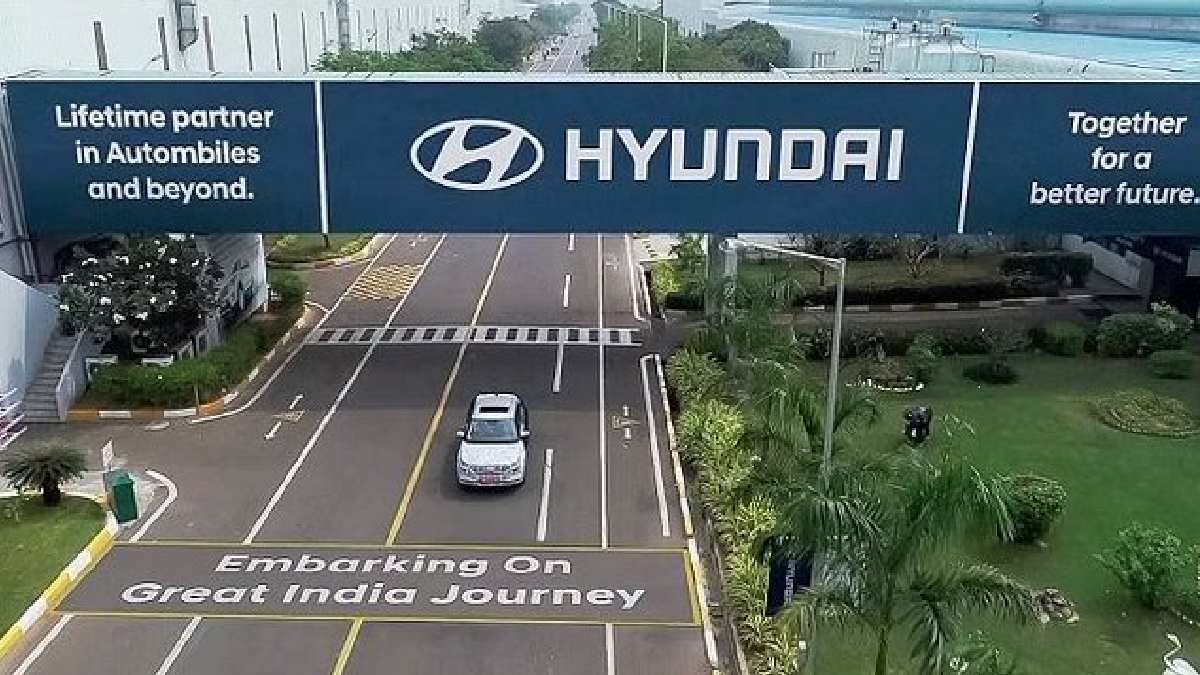
The connected ecosystem enables real-time communication between machines, which makes the factory process more efficient, precise, and highly automated. Hyundai India is bolstering manufacturing capacities with data-driven production systems in the automotive industry as Industry 4.0 and the manufacturing industry is moving towards data-driven production.
A lot of the company's investment has been in intelligent manufacturing solutions that integrate sensors, cloud connectivity, artificial intelligence (AI), predictive maintenance, and industrial Internet of Things (IoT) technologies.
How Smart Factory Works
The newly connected machines generate operational data in real time that is analyzed and can be used to identify problems in advance of becoming a problem. This predictive process allows engineers to plan maintenance in advance to avoid unexpected equipment failures and minimize the production schedule.
Instead of only doing manual inspections, Hyundai's digital manufacturing ecosystem constantly monitors machine operation at all times. Operators can see an instant indication of unusual operating conditions and take appropriate action immediately if they find them.
The smart factory system also helps optimize energy consumption, reduce waste, and improve resource utilization, which is in line with Hyundai’s sustainability objectives.
Improving Production Quality
The biggest benefit of the connected manufacturing system is the quality control. Automated inspection tools and intelligent monitoring systems make sure Hyundai’s quality assurance is met at every stage of production.
Real-time production analytics can find process variation very soon, which helps to reduce defects and give a uniform vehicle quality before assembly moves to the next step.
This technology also enhances traceability: Engineers can track every manufacturing step and quickly respond to quality problems if there is a production quality issue.
Supporting Faster Manufacturing
With thousands of machines connected to a connected digital network, Hyundai will be more efficient in terms of production schedules; Hyundai will be able to better coordinate production schedules and improve factory productivity.
This integration of automation and analytics enables the company to respond quicker to changing market demand while maintaining high manufacturing standards.
Smart manufacturing also facilitates better inventory management, quicker processes of logistics, and fast decision-making based on live production data.
Driving Industry 4.0 in India
Hyundai’s investment is an indication of the rapid growth of Industry 4.0 technologies in India’s automotive industry. Digital manufacturing, AI-based monitoring, robotics, and IoT-based equipment are more important as automakers compete against other car manufacturers to achieve better productivity and higher competitiveness.
More connected manufacturing infrastructure is the key to a more flexible, reliable, and future-ready production system that supports new vehicle technologies such as electric vehicles and advanced mobility solutions in the next 10 years.
As India’s automotive industry is rapidly evolving, Hyundai’s smart factory project shows how digital transformation is transforming vehicle production while increasing quality through production as well as sustainability and operational excellence are the driving forces for the automotive industry.