
Karnataka has seen an interesting change in its liquor consumption pattern as the average quantity of alcohol consumed per person is falling while the state government’s excise revenue is going up. Per capita pure alcohol consumption in Karnataka fell by 2.4 per cent between May and September this year as compared to last year, but the state government’s excise revenue rose by 13.4 per cent during the same period, said the Brewers Association of India (BAI).
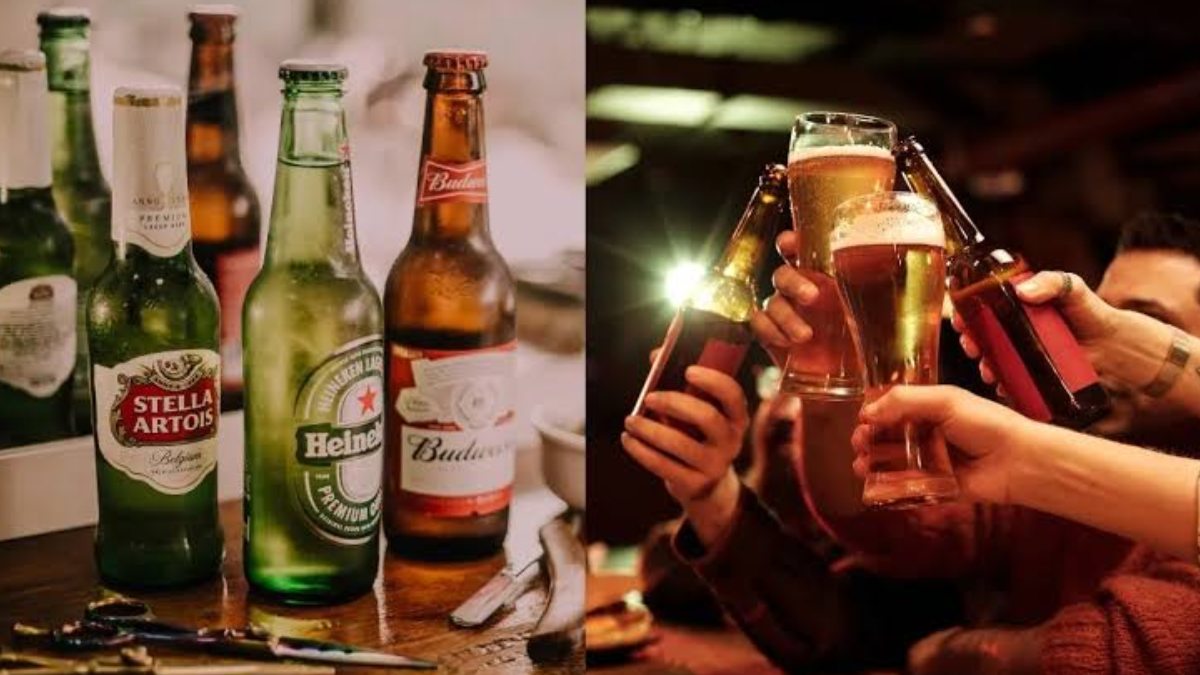
This means that liquor sales and government earnings are up, but individuals may be switching to beverages with a lower percentage of alcohol. The change is being attributed partly to Karnataka’s newly introduced Alcohol-in-Beverage (AIB) taxation policy, which changed how alcoholic beverages are taxed in the state.
The Brewers Association of India says that between May and September 2026, Karnataka’s average per-capita pure alcohol consumption was 1.59 litres compared to 1.63 litres in the same period last year, a drop of around 2.4%. Though overall volume of liquor sales has gone up, consumers are buying or consuming a different mix of alcoholic beverages now (industry representatives say this is because of a change in the taxation structure).
“Consumers and manufacturers feel that products with relatively less alcohol content are now being sold,” they said. This has been noticed because Karnataka is one of India’s biggest liquor-consuming markets and generates revenue through the sale and taxation of alcoholic drinks.
One of the major reasons for this change is the new Alcohol-in-Beverage taxation policy implemented by the Karnataka government. This policy came into force on May 11, 2026, and the tax structure was based on actual alcohol content in alcoholic beverages rather than pricing alone. Taxation now links to the quantity of alcohol contained in a product instead of just price alone as earlier.
This has affected the economics of manufacturing and selling different categories of alcoholic beverages. Brewers Association of India said that the revised taxation system has made consumers look for drinks with comparatively lower alcohol content; manufacturers have started adjusting the percentage of alcohol in some products because of the changing tax structure and market conditions.
Interestingly, the drop in per capita alcohol consumption has not translated into lower government earnings. Karnataka’s excise revenue stood at Rs 22,191.63 crore during April-September 2026, a 13.4 pc rise over the same period last year. This shows that liquor taxation remains an important source of revenue for the state government.
Consumers’ tastes and alcohol content have changed, but overall the liquor market has continued to generate higher tax collections; the increase in revenue also indicates that state taxation policy has had an impact on the financial performance of the liquor sector, but how much individual factors contribute would require more detailed analysis.
Another important change is that the overall volume of liquor sales in Karnataka increased by 16 per cent, but also that the composition changed. Beer and wine together (apparently) increased from 36 per cent to 45 per cent of total liquor sales, so more beer and wine are being sold now compared to spirits, which generally have higher alcohol percentages.
This change in pattern of sales may be one of the reasons why average pure alcohol consumption per person has fallen even though the amount of alcoholic beverages sold has gone up. The figures show a change in preference among consumers but not necessarily that every category of drinker is drinking less alcohol.
The new tax structure has also affected manufacturers of Indian Made Foreign Liquor (IMFL). Brewers Association of India says some manufacturers of lower-priced IMFL brands have cut alcohol content in their products from 42.8 per cent to 40 per cent. The average alcohol content of IMFL sold in Karnataka is reportedly down to 40.5 per cent.
This is important because the amount of pure alcohol consumed is not only determined by how much beverage one buys but also by its concentration in alcohol. So consumers may buy more beverages of certain brands while the total amount of pure alcohol consumed will be comparatively less.
Overall, Karnataka’s latest liquor market figures are an unusual mix of rising sales, falling per capita pure alcohol consumption and government revenue going up. The 2.4 per cent decline in individual consumption, the 13.4 per cent rise in excise collections and the 16 per cent increase in overall liquor sales tell us what is happening after the new AIB taxation policy came into force.
The Brewers Association of India has said that the policy has influenced consumer behaviour and product composition, but the longer-term impact will emerge from sales and revenue data coming later on. It has also brought back into focus how taxation policies can affect the alcoholic beverage industry, manufacturing decisions and consumer purchasing patterns in Karnataka.


Comments