
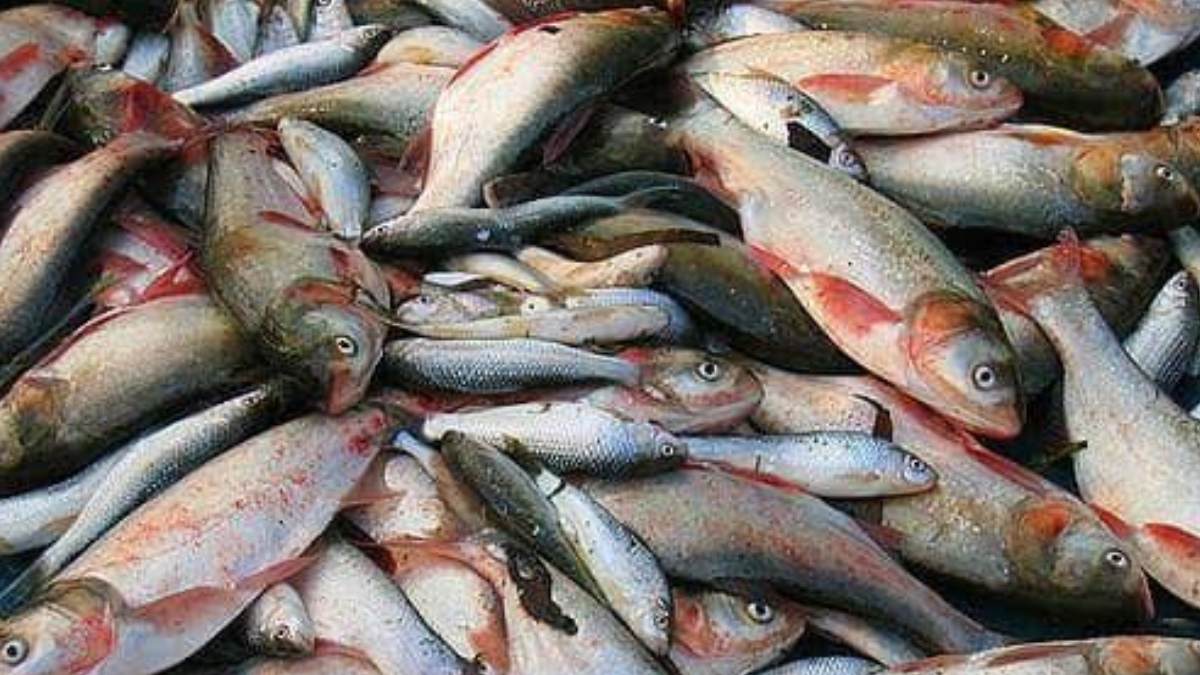
Five fishermen died after inhaling toxic gases released from decomposing Chaman fish in Uttara Kannada district; the district administration has increased safety measures at fishing harbours across the region. Worried that such incidents may recur, authorities have held special awareness meetings at several fishing ports and issued strict safety guidelines for fishermen and boat owners.
Fisheries Department officials, the Police Department, Coastal Security Police, and other concerned departments joined hands to educate fishing communities about the dangers of storing and handling decomposing fish. The administration has asked everyone involved in fishing activities not to take precautionary measures lightly, but to follow them without negligence, lest more lives are lost.
The two incidents took place in Uttara Kannada district within a few days. Three fishermen died at Tadadi fishing harbour near Gokarna on October 27 when they allegedly inhaled poisonous gases released by stored Chaman fish, and two more were killed under similar circumstances at Muduga in Karwar on October 31.
The fishermen who died had gone to remove fish kept in boat storage compartments when they were exposed to dangerous gases building up inside the compartments, sources said. Shock waves were created among the local fishing community by these incidents as occupational safety on fishing boats came into focus. Deaths due to improper storage of fish (when decomposing fish is stored in poorly ventilated compartments) showed how dangerous it can be.
Decomposing Chaman fish can release hazardous gases (ammonia and hydrogen sulphide) under certain conditions. These gases become very dangerous when they build up inside enclosed spaces (fish storage tanks and compartments). Hydrogen sulphide is highly toxic and can cause breathing difficulties, unconsciousness and even death at dangerous concentrations.
Ammonia irritates the eyes and respiratory system and causes severe health effects after large exposure. If ventilation is poor, toxic gases may accumulate to dangerous levels so that anyone entering the storage area will be in a life-threatening situation. Oxygen levels inside enclosed compartments may also drop to unsafe levels in some cases so that breathing cannot take place. The absence of a strong smell does not mean the atmosphere is safe; gas detection should be carried out before entering such spaces.
In view of the deaths, special awareness meetings were held at fishing harbours in Karwar, Kumta, Baithkol and Honnavar. Officials told people about health hazards associated with decomposing fish and safe storage and handling practices. Fishermen and boat owners have been asked to refrigerate Chaman fish caught during fishing immediately after catch; boats carrying fish to harbour should not be delayed unnecessarily, and decomposed fish and fish waste should not be allowed to build up inside storage compartments. Hygiene and temperature control are needed for fish decomposition prevention and hazardous gas formation risk reduction.
One of the most important instructions given by authorities is that fishermen never enter fish storage tanks or enclosed compartments without first checking the atmosphere. Before anyone enters such spaces, hazardous gases must be checked using gas detection equipment (gas detectors should be used to check for toxic gases and oxygen levels; if it is not safe to enter, then ventilation has to be done before cleaning, maintenance or fish removal activities can take place).
Officials have also warned fishermen not to assume a storage tank is safe because the smell has disappeared: some toxic gases can impair a person’s ability to smell them, so relying on smell alone can be fatal.
The administration has also said no one should enter an enclosed storage tank without respiratory protection and safety arrangements in place. Fishermen should not try to rescue a colleague who has collapsed inside the tank by going into the same space without equipment, as that could lead to more casualties.
Rescue operations should only be carried out by trained people wearing breathing apparatus and safety equipment. Boat owners have been asked to educate workers about emergency procedures and make sure gas detection and ventilation arrangements are in place when enclosures need to be accessed.
The deaths of five fishermen in Uttara Kannada have exposed occupational hazards faced by workers in the fishing industry and stressed the need for stronger safety practices at sea as well as fishing harbours. While fishing operations involve many unavoidable risks, incidents caused due to improper storage, ventilation and unsafe entry into enclosed spaces can be prevented through awareness, training and use of safety equipment.
The district administration is now trying to make fishermen and boat owners aware of these risks and follow the new guidelines issued. Strict implementation of these precautionary measures will help prevent such tragedies and save the lives of fishermen working in the coastal region of Uttara Kannada.





Comments