
The Karnataka High Court has made an important ruling on maintenance for financially independent wives. It said an educated woman who can earn and support herself may not be entitled to claim maintenance from her husband, as a husband is not obligated to provide maintenance in every case (when she has sufficient income to meet her own living expenses).
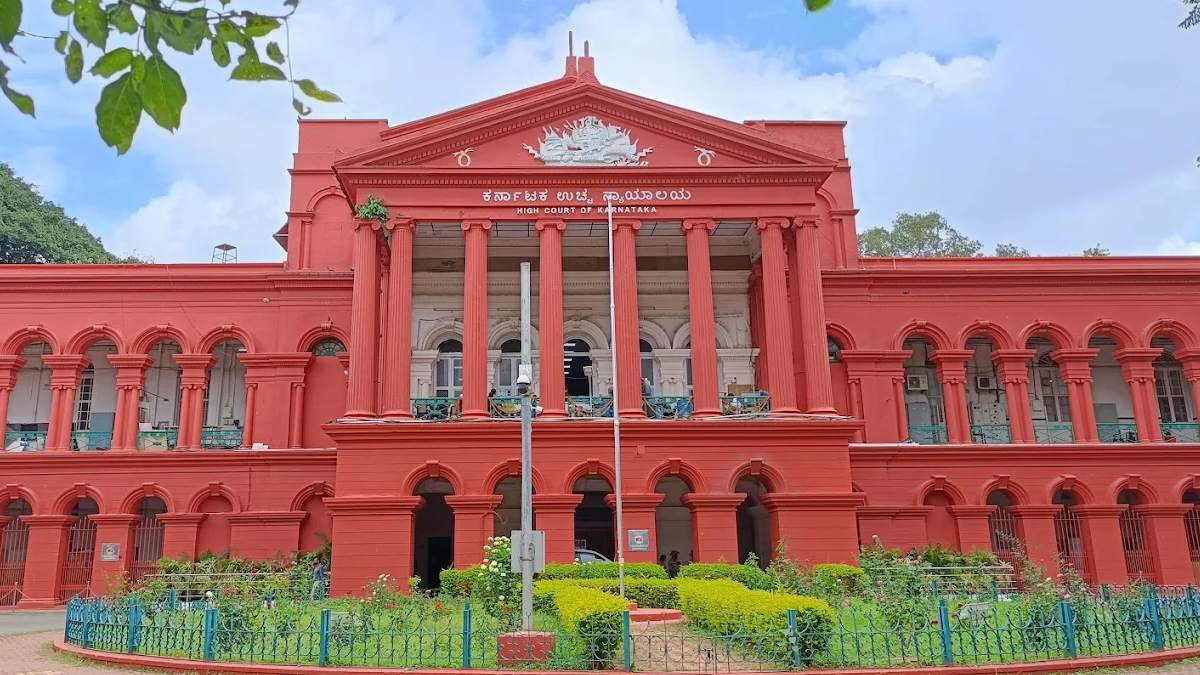
Justice Chilakuru Sumalatha's bench passed this important ruling while hearing a petition challenging a Family Court order directing a husband to pay ₹20,000 per month as maintenance to his wife.
The High Court held that the inability of a wife to maintain herself is an essential requirement for maintenance under the applicable law. The mere fact that a husband earns more than his wife does not mean she is financially dependent on him. Bench said that a woman who is well educated, professionally employed and can independently manage her financial needs cannot claim maintenance only because husband earns more than her.


The court’s observations made it clear that before deciding maintenance, the financial circumstances and earning capacity of both parties should be taken into account.
The court took into account the income and professional background of the couple. The husband was a computer science engineer (Rs 40 lakh per annum), the wife was in the IT sector (about Rs 10 lakh per year) and had a monthly income of Rs 54,700. Family Court had earlier directed him to pay Rs 20,000 every month as maintenance. Husband challenged the order before the Karnataka High Court, saying he did not want to be burdened with financial support.
The wife herself made a statement about her financial responsibility. In the hearing, she reportedly said that she was spending ₹35000 per month from her own earnings to support and maintain her parents. High Court referred to this statement while deciding whether the woman was financially dependent on her husband or not.


The bench said, “a person who can support her parents out of her income cannot be said to be incapable of meeting her living expenses”. It was her independent earning capacity and financial ability which were relevant for maintenance entitlement.
The court further said that financial independence and enough personal income could be grounds for rejecting a maintenance application. It said the husband’s higher annual income alone was not sufficient to show that the wife required him to assist her financially.
The ruling said, “whether claimant really does not have means of support cannot be established by merely looking at difference in earning capacity of husband and wife”. Thus, the High Court set aside the Family Court's order directing the husband to pay ₹20,000 per month as maintenance.
However, the bench also took a conciliatory view of the maintenance amounts paid by the husband. In order not to further damage the relationship between the couple and preserve the possibility of reconciliation in future, the High Court directed that no legal proceedings should be brought to recover the maintenance amounts that the husband had already paid to his wife. This part of the ruling showed how the court considered the personal circumstances of the marital dispute beyond the financial question at issue.
The ruling has brought into focus legal principles for maintenance claims against working financially independent spouses. Maintenance laws are supposed to prevent a spouse who lacks sufficient resources from hardship, but the court’s comments suggest education, employment, income and ability to sustain herself may all be relevant in deciding eligibility; the ruling also distinguishes between the husband’s comparatively higher income and the wife’s financial dependency.
The Karnataka High Court’s decision is an important development in the debate around maintenance disputes in India. The ruling does make financial independence a relevant factor, but entitlement to maintenance depends on the legal provisions applicable and the facts of each case.
The judgment should not be taken as a rule that every employed or educated wife is automatically disqualified from getting maintenance; financial circumstances, needs and the legal position of both spouses have to be carefully considered before a court makes its final decision.






Comments