
The Madras High Court has issued notice to Tamil Nadu government on a PIL seeking safeguards against registration of First Information Reports (FIRs) over critical social media posts against political leaders and the government. The court has given two weeks time to state government to respond.
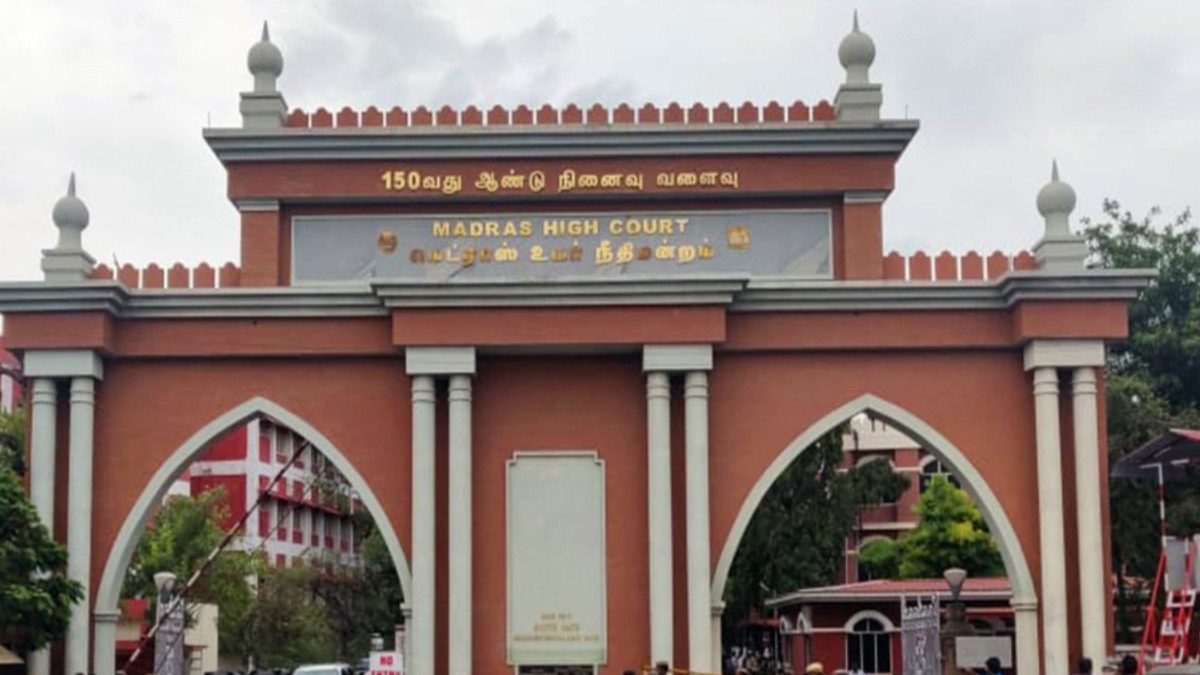
The move on November 11, 2026 comes amid concerns that police action is being used against political commentators and activists as well as social media users who criticise politicians online.
Madras High Court Gives Government Two Weeks
The Madras High Court asked the Tamil Nadu government to respond to the PIL and explain its position on safeguards sought by petitioner. During the hearing, the court also said that the state should file a reply to the PIL and explain its position on safeguards sought by the petitioner.
The petition asks the police not to automatically register criminal cases against people for expressing political views or criticising government policies on social media.
Additional Public Prosecutor Arun Anbumani told the court that the state government was already working on a SOP to deal with complaints relating to online speech.
The guidelines are expected to spell out how police stations and cybercrime units should deal with complaints about political comments or social media publications.
What Is the PIL About?
The PIL was filed by Chennai based advocate H Syed Alim. It raises concern that criminal cases are being registered against political leaders, activists and individuals for expressing their opinions online.
The petitioner said police should examine the nature of social media content before registering FIRs. Criticism of government policies and political leaders should not be treated as criminal offence by itself, pleaded the plea.
The petition also emphasizes the need to protect freedom of speech and expression under Article 19(1)(a) of Indian Constitution.
Recent Cases Highlighted in the Petition
The petitioner reportedly mentioned several cases where people were booked by police for their online comments.
These included cases against DMK MLA G.V. Markandayan of Vilathikulam, DMK Gen Z wing leader A. Anbanantham and party sympathiser Vinoth Suryakumar.
The petition asks whether existing procedures are being followed when complaints are made against individuals for political criticism.
It wants the DGP to issue uniform guidelines for registering cases related to online political expression.
Tamil Nadu Government Preparing SOP
One of the important developments in the hearing was the government’s submission that an SOP was being prepared.
The SOP could lay out procedures for examining complaints; whether a post is covered by any criminal provision and when an FIR should be registered.
Such guidelines could help police distinguish between legitimate political criticism and online content which may be an offence under applicable laws.
But the government has not yet filed its detailed response to the court and we do not know what the final contents of the SOP are.
Free Speech and Political Expression Under Discussion
The case has wider implications for freedom of expression in Tamil Nadu. Social media platforms have become spaces for political discussion, public criticism and communication between citizens and elected representatives.
Article 19(1)(a) guarantees freedom of speech and expression subject to reasonable restrictions under Article 19(2).
The legal issue is whether police action against particular online comments is justified by the law or not (or if it affects constitutionally protected political expression).
What Happens Next?
The Tamil Nadu government has two weeks to file its response. The matter will come up for further consideration after the government’s submission.
The court’s eventual conclusions could affect how complaints about political criticism or social media posts are handled by police authorities.
Political parties, activists and free-speech advocates will be watching closely as the state government prepares its proposed SOP.

Comments