
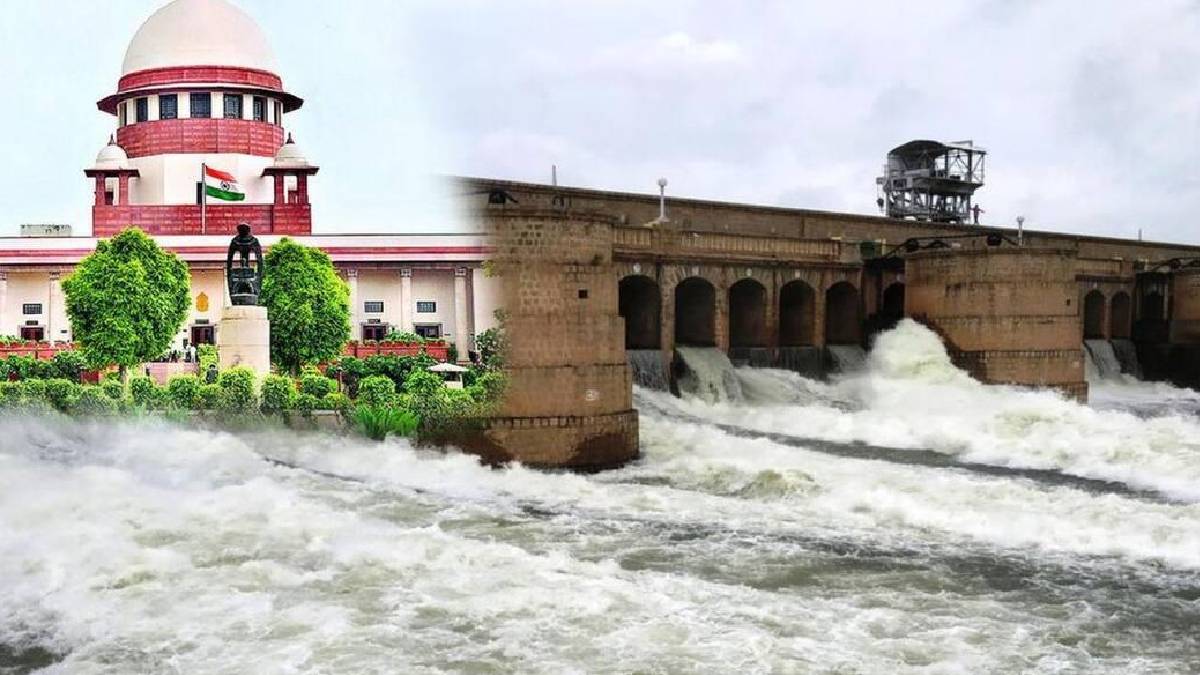
The legal development in the Cauvery water dispute between Karnataka and Tamil Nadu came today when the Supreme Court of India dismissed two interim applications filed by Tamil Nadu government seeking directions to Karnataka to release more than 11 thousand million cubic feet (TMC) of Cauvery river water.
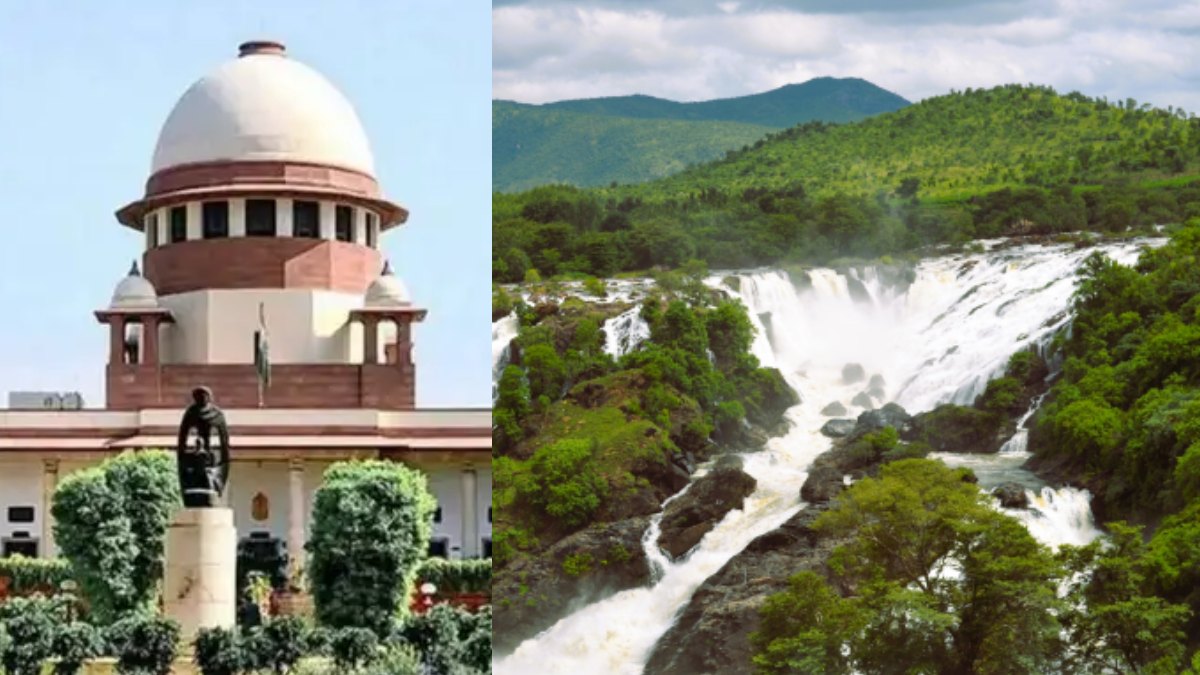
The Tamil Nadu government had approached country’s highest court alleging that Karnataka has not released the required quantum of water resulting into shortfall of over 11 TMC. But the bench refused to issue any fresh direction to Karnataka and dismissed the two interim applications.
The development comes at a time when there are continuing disagreements between neighbouring states over sharing of Cauvery river water which has been politically and legally sensitive for decades now.

According to details placed before the court Tamil Nadu said shortfall in water flows at Biligundlu (interstate measuring point on Karnataka-Tamil Nadu border) was around 11.719 TMC up to October 6; it had been entitled to its share of Cauvery water under the existing water sharing arrangement and Karnataka had water reserves in its reservoirs but had not released quantity to make up for deficit accumulated. The shortfall could adversely impact agricultural activities and availability of water in Cauvery delta region, Tamil Nadu claimed.
Karnataka has, on the other hand, always been complaining about difficult rainfall situation in Cauvery basin. In earlier hearings Karnataka government had said that this year there was not enough rain and many areas were drought like conditions; preservation of available reservoir water for drinking water requirements and other needs within Karnataka was also pointed out. Water releases should be based on availability of water (not just figures) and difficulties both states face during deficient rainfall periods.
The latest Supreme Court ruling follows several rounds of hearings in which both governments made contrasting arguments on water releases, reservoir storage and calculation of alleged deficit.
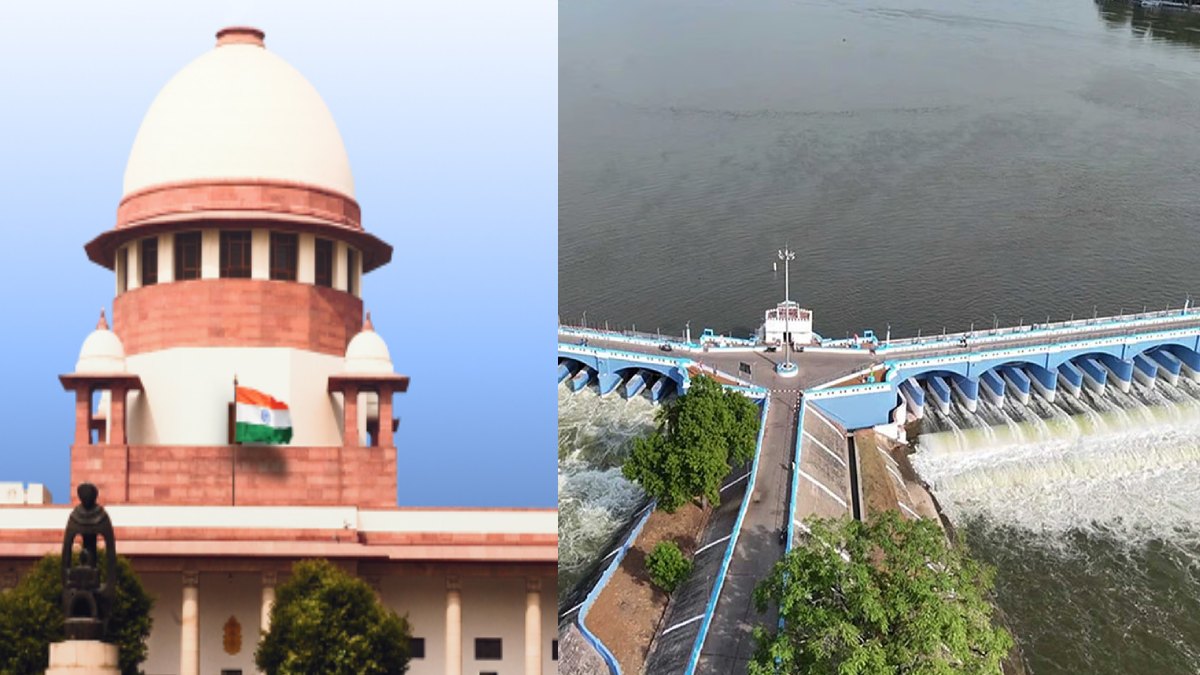
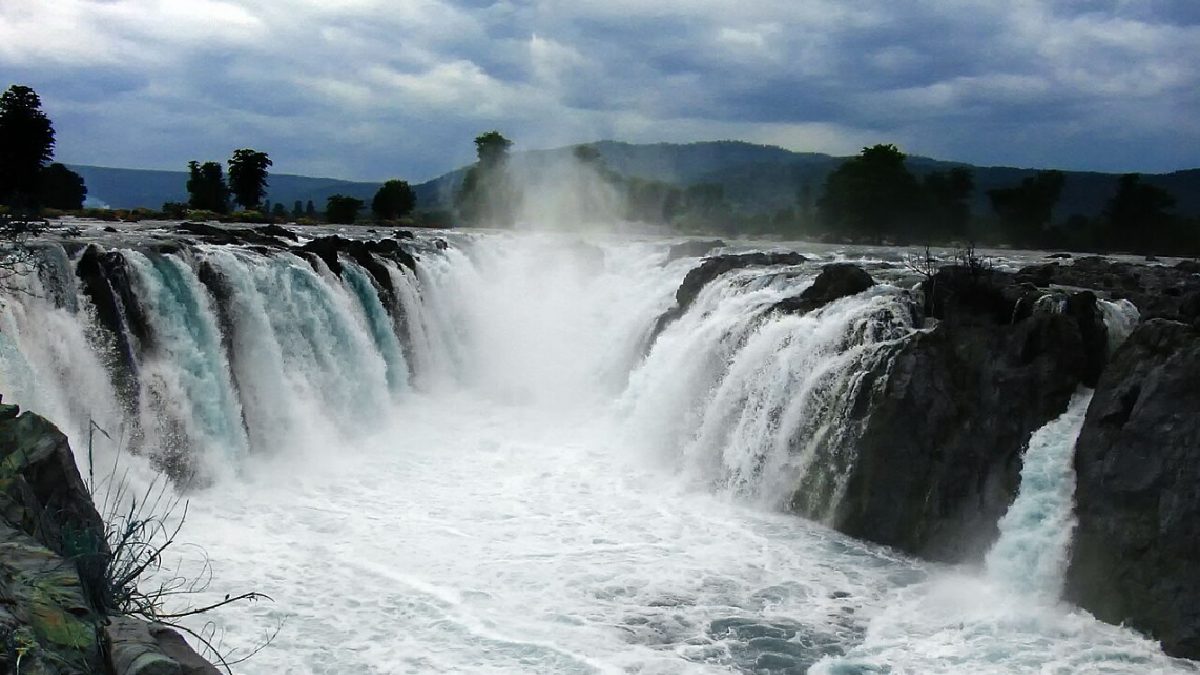
Tamil Nadu has been seeking directions to ensure that Karnataka implements CWMA’s recommendations and decisions the authority along with Cauvery Water Regulation Committee (CWRC) monitor availability of water in Cauvery basin states and regulate releases between them.
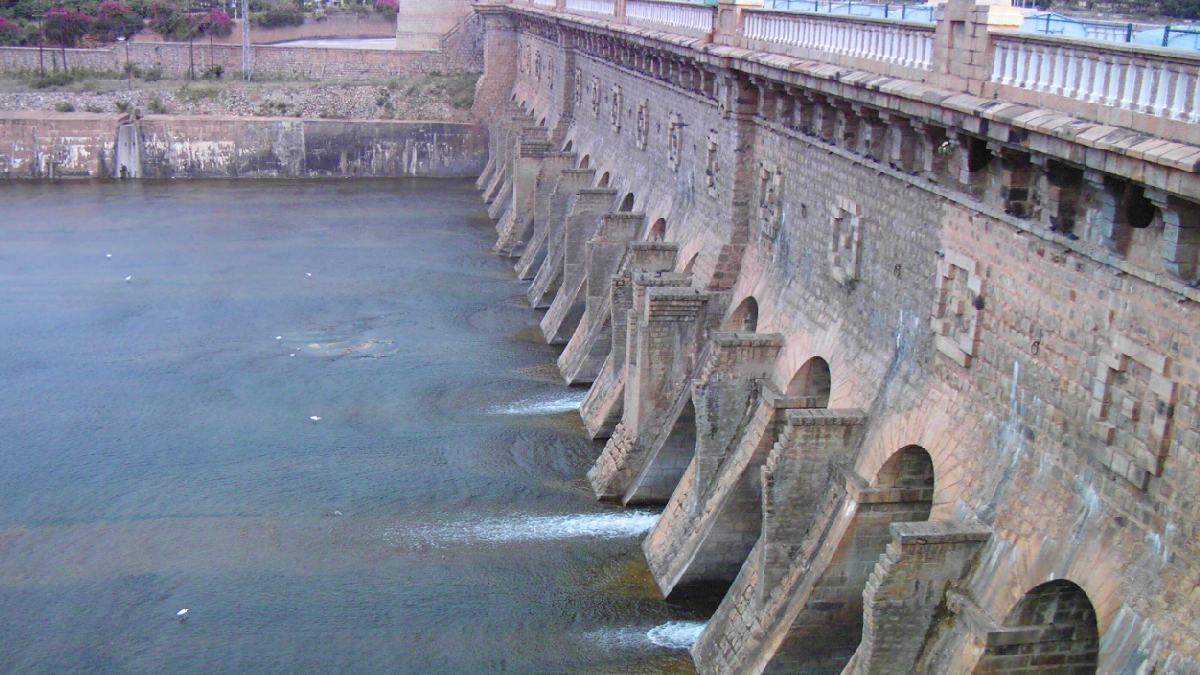
The dispute is important because Cauvery river supplies agriculture, drinking water and several economic activities in Karnataka as well as Tamil Nadu. Reservoirs (Krishna Raja Sagara (KRS) and Kabini reservoirs in Karnataka) in the Cauvery basin regulate flows towards Tamil Nadu; Biligundlu is the measuring point from where the quantity of water flowing into TN from Karnataka can be monitored and so water-flow measurements made at Biligundlu are often at the centre of arguments before regulatory authorities and courts.
Cauvery water-sharing dispute has a long history. Both states have repeatedly approached judicial and administrative authorities for allocation of river's resources. The Supreme Court judgment in 2018 modified some aspects of the final award of Cauvery Water Disputes Tribunal and framed the structure for sharing the river water among the concerned states and Union Territory of Puducherry. Cauvery Water Management Authority was set up to implement the water sharing arrangement.
But dismissal of Tamil Nadu’s two interim applications should not be taken as the end of the larger Cauvery water dispute. The third petition has been adjourned for one week (information given) so that it gets another chance to come before the Supreme Court.
Next hearing will be crucial in understanding what further legal steps and arguments the two states have put forward. Both governments are likely to continue highlighting their respective concerns over availability of water, agriculture requirements and compliance with sharing mechanism.
For Tamil Nadu farmers it is especially important because Cauvery water is needed for irrigation in many agricultural districts (particularly delta region). Farmers need timely releases of water to cultivate paddy and other crops; if there is delay or reduction in supply then the operation will be difficult and crop production may suffer.
In Karnataka government has to balance water-sharing obligations with farmers’ needs, drinking water supply and reservoir management (in years of poor rainfall) too.
The latest move is also going to generate political heat in both states as Cauvery dispute has always been a sensitive issue involving farmers, political parties and public representatives. Any decision on water releases can have consequences beyond the courtroom opinion polls and inter-state relations included.
For now the Supreme Court’s dismissal of the two interim applications means Tamil Nadu hasn’t got the additional 11 TMC release direction sought through those applications.
The one-week adjournment of the third petition keeps legal proceedings on track but Karnataka and Tamil Nadu will be watching the coming hearing closely as the long-running Cauvery water dispute continues.




Comments