
Union Home Minister Amit Shah has once again made the BJP’s promise to implement UCC in all states governed by BJP-led NDA (National Democratic Alliance) political party clear, bringing back the politically sensitive proposal into national limelight.
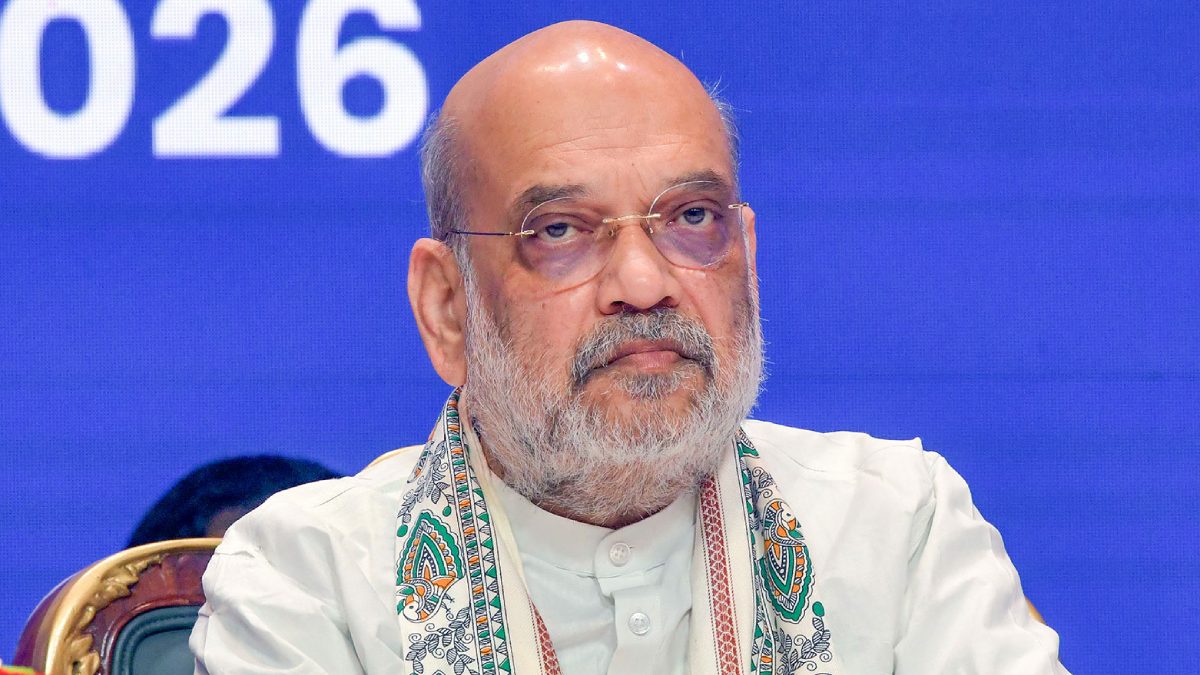
Amit Shah is confident that UCC will be introduced in all 21 BJP-NDA ruled states before the Lok Sabha polls of 2029. The announcement has sparked new debates on India’s personal laws, religion practices, constitutional rights and whether common legal framework can be introduced for citizens across communities.
Shah announced in Mumbai in September 2026 that some states have already taken steps to introduce the UCC, others are preparing legislation or examining the proposal.
Amit Shah said BJP led governments were ready to take this forward and were confident that the code would be implemented across all 21 states under NDA before next general elections. The larger discussion is also on states where committees have been formed to examine proposed legislation and recommend suitable legal provisions.
Uniform Civil Code is a proposal to create a common set of personal laws for citizens irrespective of their religious communities. It relates mostly to personal matters (marriage, divorce, inheritance, succession and adoption).
Different religious communities in India have separate personal laws in several of these areas. Supporters of UCC say that common framework could bring equality, reduce legal procedures and strengthen women’s rights by giving them consistent legal protection.
The BJP has included the Uniform Civil Code as one of its long-standing political and ideological commitments. It has repeatedly said different personal laws should be replaced by a common legal framework so that citizens are treated equally.
Shah has also said abolition of triple talaq is an important step towards protecting Muslim women’s rights. Reforms in personal laws are meant to promote gender equality and give equal protection under law, says the government.
Uttarakhand became the first state in independent India to have a UCC (Uniform Civil Code) with the law coming into effect on January 27, 2025. Provisions were made for marriage registration, divorce, inheritance and live-in relationships.
The implementation of the law has caught national attention as other BJP ruled states look at Uttarakhand model while taking decisions on their own legislations.
Gujarat, Assam and Madhya Pradesh have also passed UCC related legislation but the legal aspect (presidential assent and notification) is still relevant to them. Maharashtra, West Bengal and Chhattisgarh have initiated committees and consultations to examine the proposal. This means that the discussion is moving beyond political announcements to state level legislative preparations.
But the proposed nationwide expansion is not without political difficulties. Opposition parties and several regional political organisations have said that a common personal law could damage India’s religious and cultural diversity since any legislation should protect constitutional freedoms adequately and respect customs and traditions of different communities; debate has also questioned how the proposed law would deal with the personal practices followed by different religious and indigenous communities.
The issue has also divided the NDA alliance. In Bihar, the Janata Dal (United) is opposed to UCC implementation in the state which shows how difficult it would be for BJP to find consensus among its coalition partners. Some other regional allies have asked for discussions and consultations before any decision is taken.
Article 44 of the Indian Constitution forms part of Directive Principles of State Policy and says that government should endeavour to secure a Uniform Civil Code for citizens throughout India. Although this provision has been an important part of constitutional discussions since Independence, its implementation has been politically and socially controversial.
The next stage of the UCC initiative will be state consultations, draft legislation and stakeholder meetings. Governments will have to work out what constitutional provisions apply; existing personal laws; communities’ concerns before moving ahead with implementation.
Amit Shah has set a target of introducing UCC in all 21 BJP-NDA ruled states before 2029.
So the issue is likely to remain an important part of India’s political and legislative discourse too whether all states can meet this ambitious timeline will depend on legislative progress, coalition support and public consultations. The coming months could therefore be decisive in determining where one of India’s most hotly debated legal reforms goes from here.





Comments