Hindustan Petroleum Corporation Limited (HPCL) has increased the price of its premium petrol variant by ₹2 per litre, while keeping the prices of regular petrol and diesel unchanged, according to recent reports.
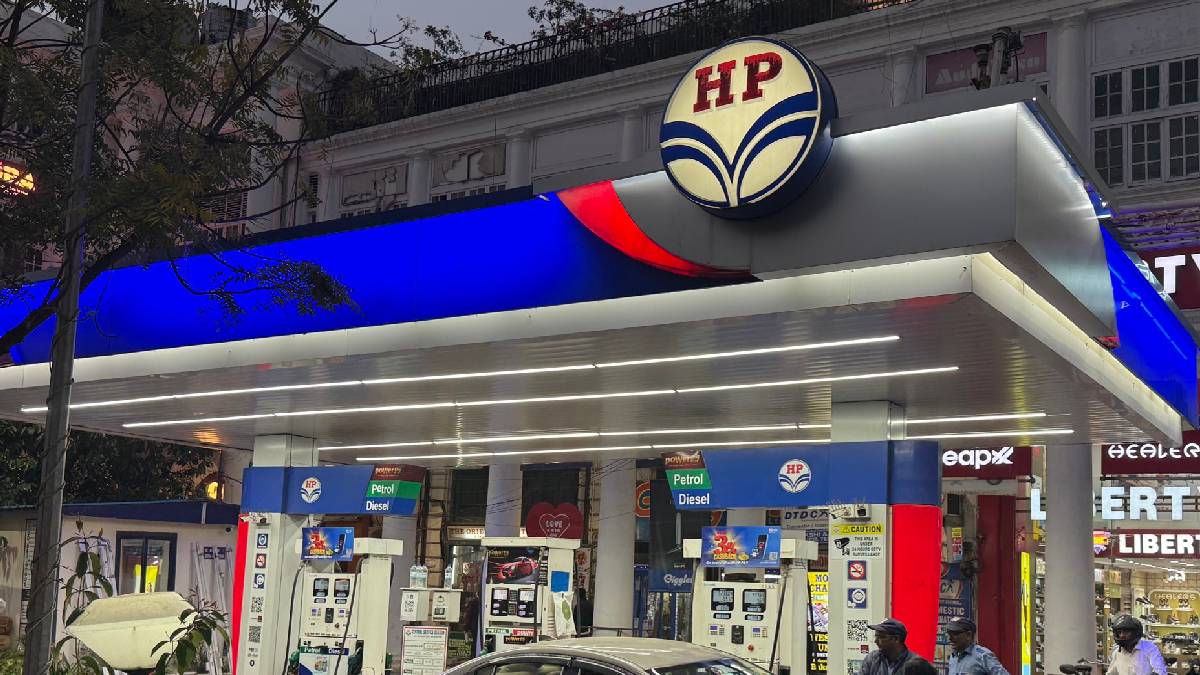
The price revision applies specifically to high-octane premium fuel variants, which are typically used in high-performance vehicles and are known for offering better engine efficiency and reduced emissions. The move is seen as a strategic pricing decision amid fluctuating global crude oil trends and changing consumer demand.
Industry experts suggest that premium fuels often see independent pricing adjustments compared to regular petrol and diesel, as they cater to a niche segment of consumers. These fuels include additives that enhance combustion, improve mileage, and reduce engine knocking, making them more expensive than standard fuel.
Despite the hike in premium petrol, HPCL has maintained stability in regular fuel prices, offering relief to the general public. Fuel rates across India have largely remained steady in recent months, even as global oil markets experience volatility due to geopolitical tensions and supply uncertainties.
The decision to keep regular petrol and diesel prices unchanged is likely aimed at minimizing the impact on daily commuters and controlling inflationary pressures. Fuel prices play a crucial role in determining transportation costs, which in turn influence the prices of essential goods and services.
Market analysts note that oil marketing companies like HPCL periodically revise premium fuel prices based on input costs, currency fluctuations, and competitive positioning in the market. Since premium fuels are not as widely consumed as regular petrol, such price changes have a limited direct impact on the broader population.
Consumers using premium petrol may now have to pay slightly higher at fuel stations, depending on local taxes and dealer margins. However, for most vehicle owners relying on regular petrol and diesel, there will be no immediate change in fuel expenses.
The move highlights the continued balancing act by oil companies between global market pressures and domestic economic considerations.