After import costs spiked, inflation mounted, and the country’s forex outlook remained weak, the Indian rupee hit a new all-time low, at 95.73 against the US dollar, on Tuesday.

During a stressful scenario of tight US dollar demand and huge challenges for emerging economies, the unexpected rapid sell-off of the home currency was a major issue. Currency traders battered the rupee in the bout, blaming it for a mix of worldwide and domestic pressures that led them to cite higher crude oil prices, pressure from the Middle East and strong consumer demand for dollars from importers.
The latest loss is among the largest for the rupee in years and is also a sign of how firm and on-beat the US dollar is in global capital markets. Investors are pushing up the price of dollar-denominated shares globally as global growth and financial stability have struggled.
India’s heavy dependence on imports from crude oil to gold and electronics has also weighed on the rupee, market analysts say. Importers' imports fall as well, raising their costs with falling volumes of exports and consumption, which may affect the price of gasoline and transportation and indirectly harm the economy through inflation.
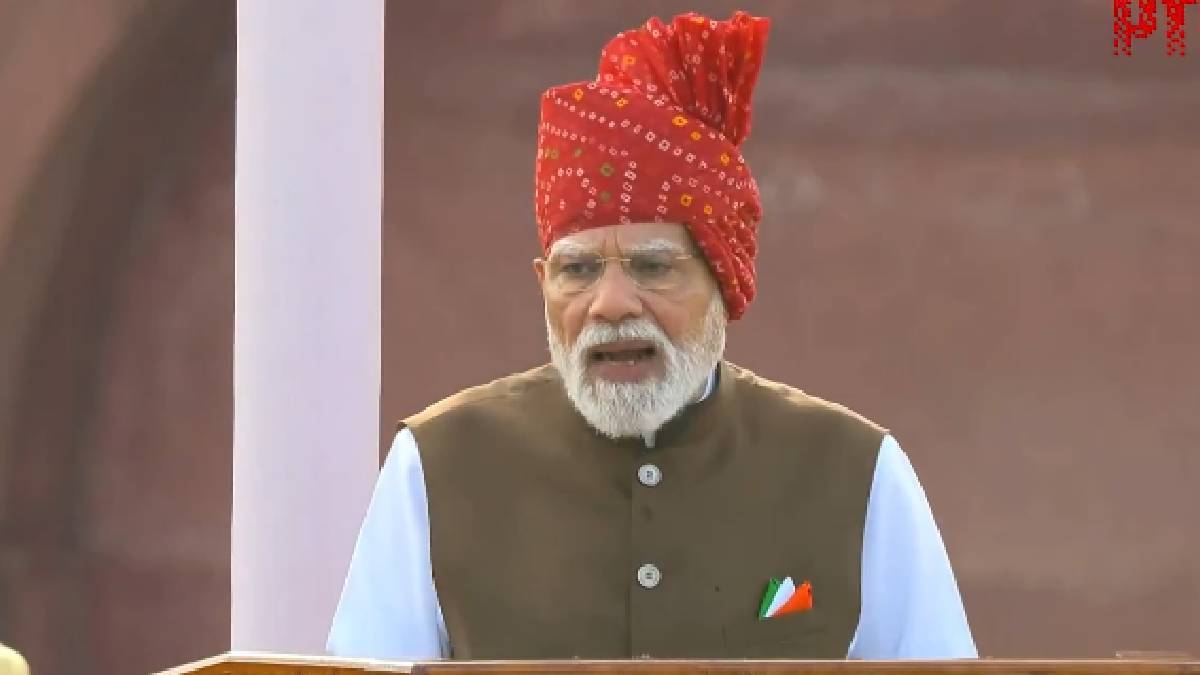
The rupee crashed the day after the Centre laid heavy import duties on gold and silver, pressuring foreign exchange reserves. Modi had also recently advised consumers to slash wasteful imports and save fuel to protect India’s forex reserves from uncertainty globally.

The rupee, therefore, must be lower because Indian goods and services will be so much more competitive in the global market, and the cheaper markup has led to exports flowing in from India in various ways. Sectors highly dependent on imports, on the other hand, might see an increase in operating expenses in the short-term.
The Reserve Bank of India (RBI) must stay alert to currency exchange rate fluctuations to tame excessive volatility. A central bank can intervene if the rupee continues to be wildly volatile as a result of its dollar price, traders say. Geopolitical and supply-related factors are also a problem, and they have brought fluctuations in the internationally related oil price, which have challenged the external trade balance among nations.
India typically imports most of its energy, so raising the price of oil and a weakening rupee can push India’s import bill to extreme levels. Other losses in foreign institutional investment from the Indian stock markets are also putting downward pressure on the currency.
Emerging market currencies are pressured each time overseas investors rotate back to safe assets, including US Treasuries (or Treasuries). Financial analysts on Wall Street are too rosy and point out that the rupee’s direction is much more reliant on bigger international economic developments, monetary policy change from the US Fed and volatile international commodity prices, they said.
Another steep increase in the dollar index could further add to the pullback on India’s currency. With the rupee in free fall, foreign businesses that depend on payments received from overseas will become more pricey, but it will also be easier for foreign tourists or students to see and see their costs go up after a poor exchange.
India maintains relatively healthy foreign exchange reserves and economic fundamentals, analysts have said, which could be sufficient to shield the country from longer-term risk as the world recovers in the coming months. Now that the rupee is at a hefty 95.73 against the dollar, the markets are taking heart from the hawkish message of the Indian central bank and the Reserve Bank of India as fears about currency risk and volatility on the increase loom.