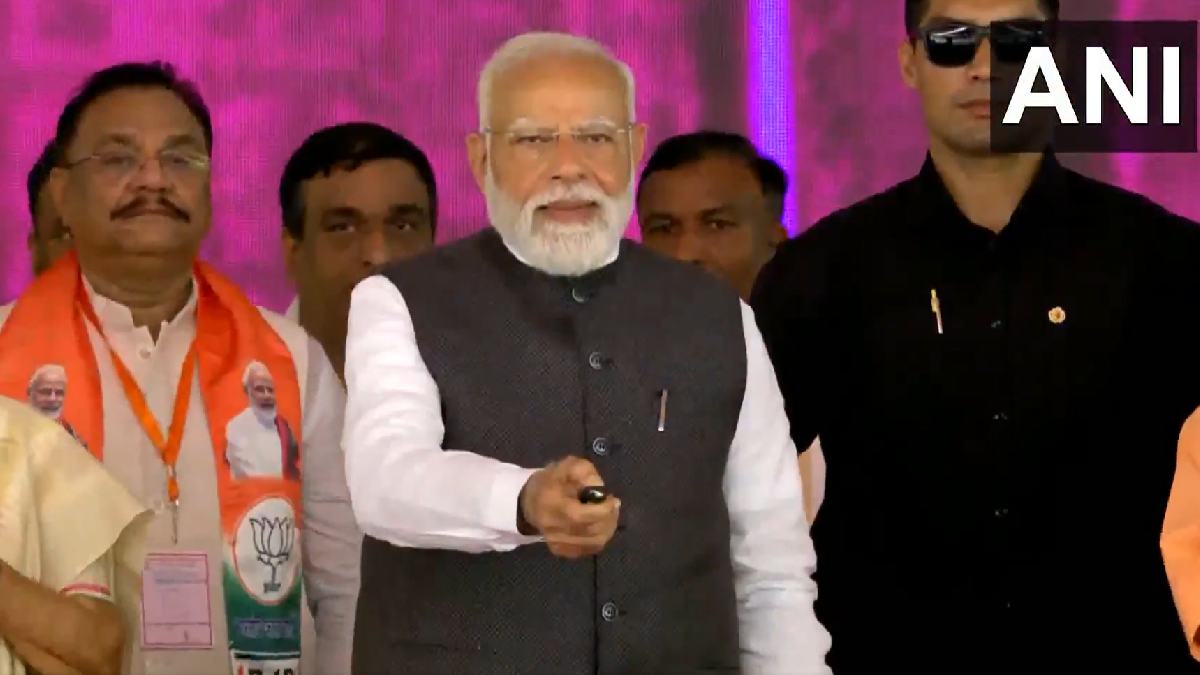
With the escalation of tensions in the Middle East and further increased international economic risks, Narendra Modi has made seemingly important moves toward saving fuel and foreign exchange from oil and gas consumption in his security convoy system by making radical system changes.
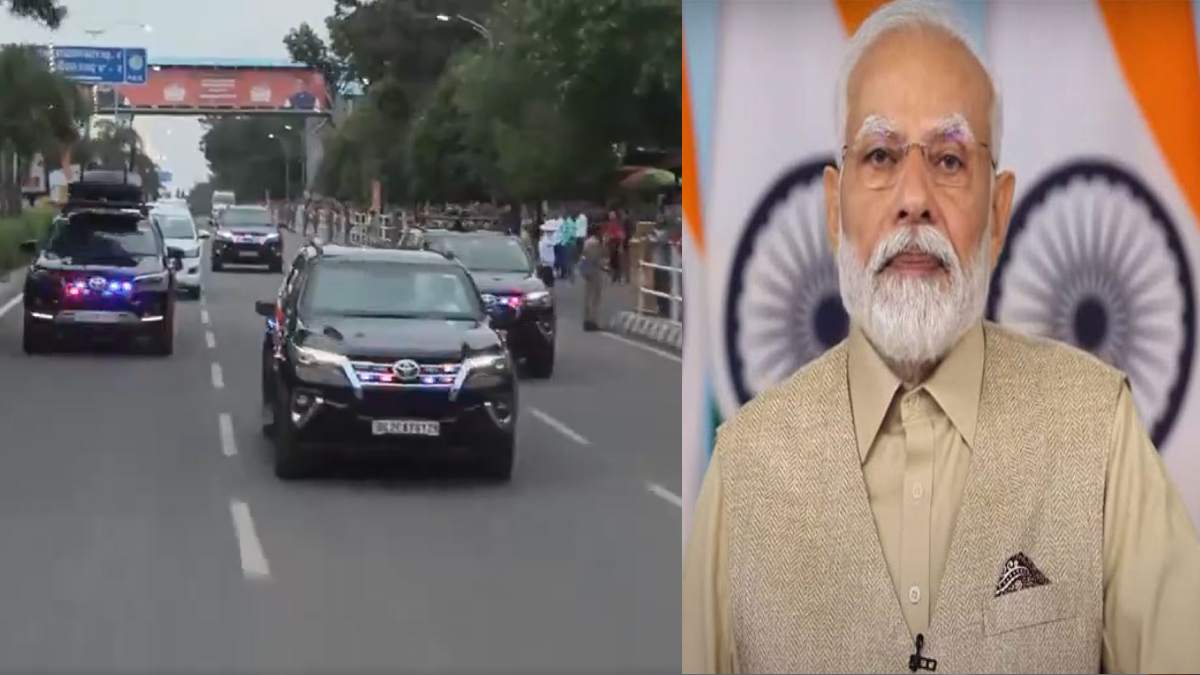
The Prime Minister has also applied a similar initiative in the Prime Minister’s Office and SPG security structure after urging the people of India not to invest in gold for one year and to reduce fuel consumption so it could free up foreign exchange reserves with the latest announcement.
Public sources report that the PMO has ordered Prime Minister’s ministers to trim the number of vehicles in the PM’s convoy by close to 50%. At SPG deployment and official transport operations, electric vehicles are given priority over traditional petrol and diesel-powered vehicles.
The decision is being regarded as part of an ongoing campaign of central government austerity and fuel-saving tactics. India remains dependent upon imports of large quantities of crude oil, gold and edible oils and is worried that their growth has put the country’s foreign exchange reserves under strain, the government said.
Modi says the unnecessary consumption of imported goods directly affects the Indian economy in a recent message. He appealed to the general public to contribute to nation-building by minimising surplus fuel consumption and reducing the unnecessary purchase of imports such as gold.
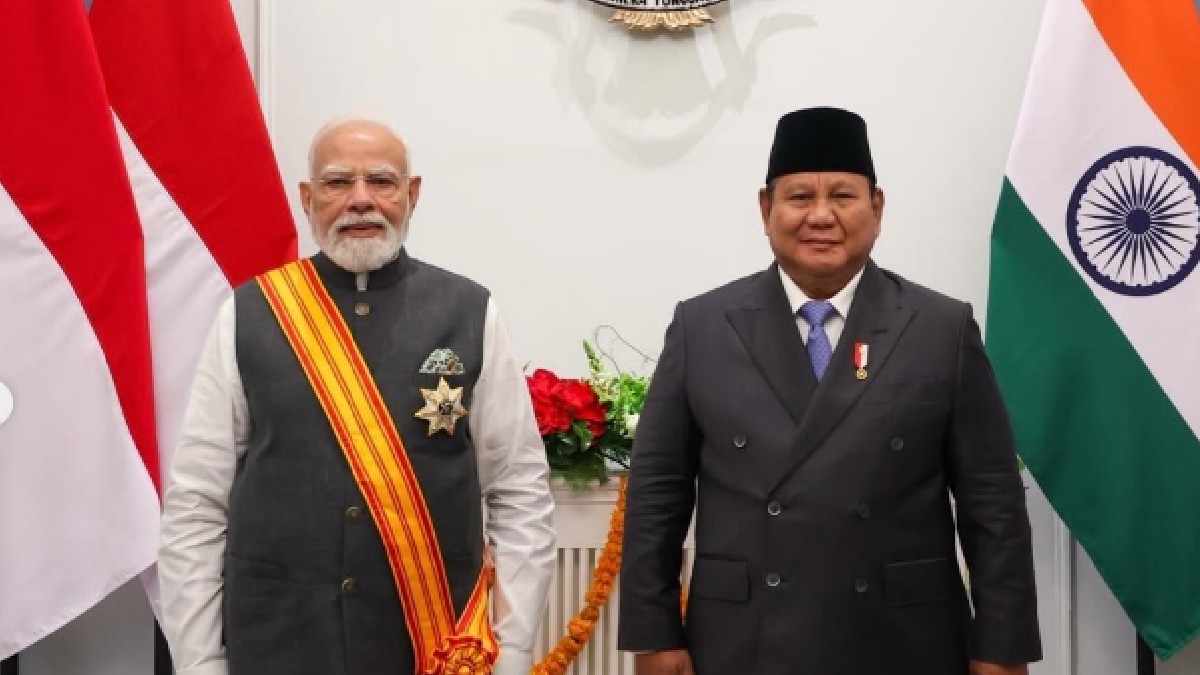
But this time, he seems to be signalling to his own security institutions that they need to lead by example, and by attempting to do so within their own security frameworks. By switching to electric vehicles, authorities believe that it will mean less fuel consumption and also reduce pollution.
Electric cars are getting traction throughout India as something of an incentive for clean energy, as well as part of a government pledge to be sustainable over the long-term. Another advantage to shortening the running of the convoy would be to lessen traffic congestion around the VIP movement.
The number of security convoys on roads in major cities is too large, and so a smaller convoy would ease the traffic flow of people and their inconvenience. The guidance is not limited solely to the Prime Minister’s Office, the sources say. Union ministers as well as chief ministers of NDA-ruled states have been recommended to go out and pursue similar initiatives like trimming down vehicles and increasing the use of electric vehicles wherever possible. It’s being viewed as a bid to implement a nationwide fuel conservation initiative emanating directly from the highest echelons of government.
Analysts say the timing matters because global crude oil prices have been wild, and geopolitical instability has arisen in parts of the world. India imports most of its crude oil needs, leaving it exposed to swings in global prices and supply shortages. Any sustained rise in world oil prices can affect inflation, costs of transportation and the country’s fiscal balance.
By this same token, the government's push for electric mobility has already been underlined by a slew of incentives and infrastructure initiatives that also tend to be linked to this focus on ownership and infrastructure (EV) of EVs, as seen also in the current wave of incentives and infrastructure projects around electric mobility.
The Prime Minister’s convoy is another step in the delivery of public messaging around fuel efficiency and sustainable transportation. But official confirmation of any actual reduction has not yet been confirmed, and reporting this move has triggered a huge social media and political debate; much is felt that it is significant but symbolic preparation for sensible government, as well as for economic discipline like that, too.