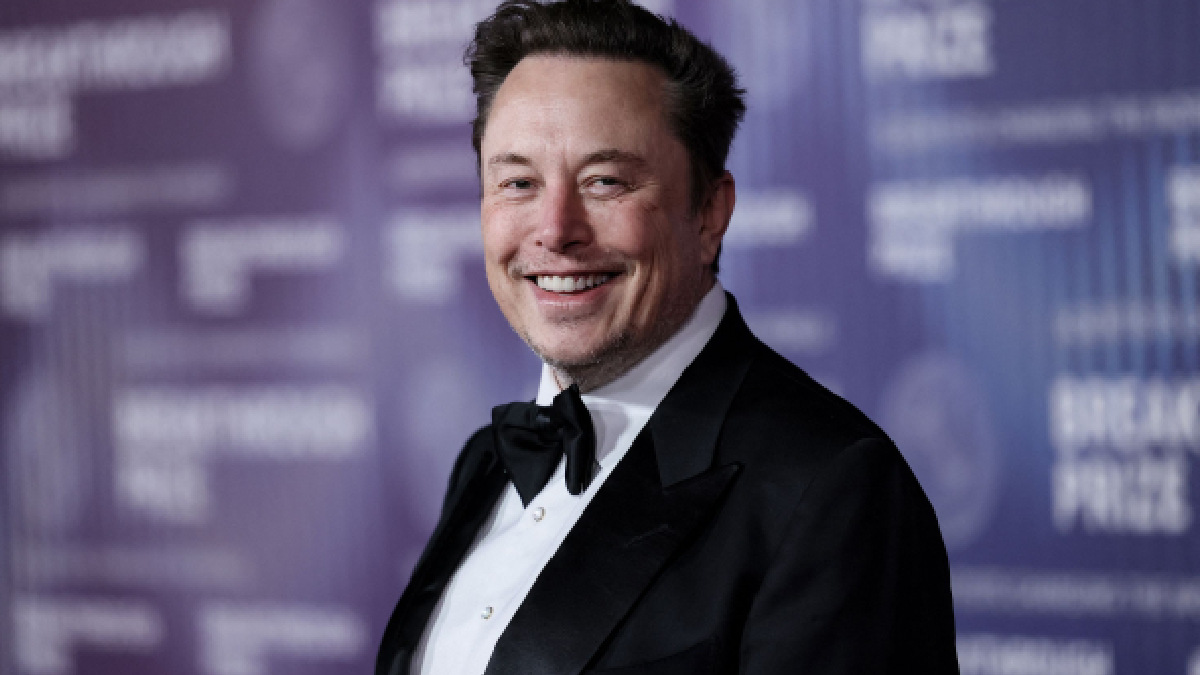
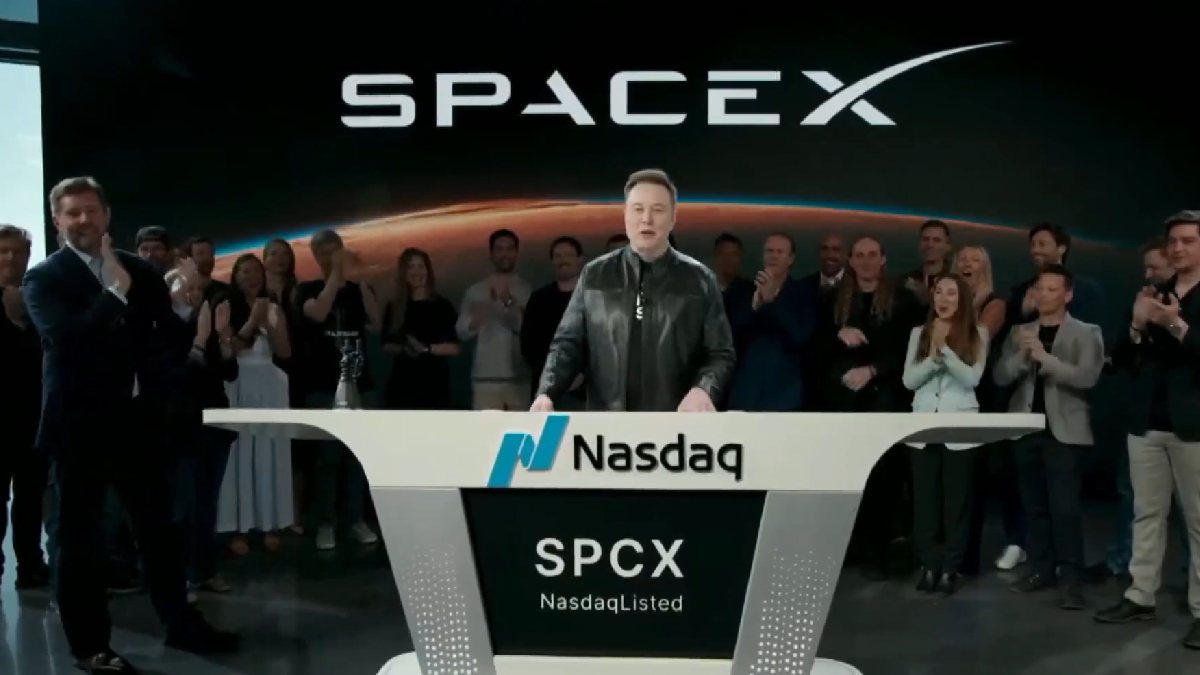
In a move that could change the global financial landscape in an audacious new way, SpaceX has filed confidential paperwork with the Securities and Exchange Commission (SEC) for an IPO, in a move that could be the largest public offering since then. Elon Musk, the richest man in the world, is expected to offer a $2 trillion value for a company with a history of space exploration and satellite business perhaps the world's richest man and could be the first one.
A Record-Breaking Market Debut
The filing (April 1 according to Bloomberg) suggests SpaceX could go public as early as June 2026, according to the filing. The company is looking to raise $50 billion-$75 billion. To put that in perspective, this would be more than the previous record holder of Saudi Aramco, which raised $29.4 billion in 2019.
At a $2 trillion valuation, SpaceX would join the elite "Big Tech" ranks alongside Nvidia, Apple, Microsoft, and Alphabet. It would also surpass the market capitalization of Musk’s other major venture Tesla, as well as Meta.
- Starlink and xAI: The engines of growth. Even though SpaceX is known for its reusable Falcon 9 rockets, the true “star” of the IPO is Starlink, the company’s satellite internet constellation.
- Revenue Powerhouse: Starlink accounts for over two-thirds of the company’s total revenue today. SpaceX is expected to make $15-16 billion in revenue and EBITDA of $7.5 billion in 2025.
- Direct-to-Cell expansion: The company is now a leader in the space with a $19.6 billion spectrum deal with EchoStar to expand mobile connectivity.
- The AI angle: xAI (the venture behind Grok chatbot) adds a sophisticated artificial intelligence dimension to SpaceX’s infrastructure, valued at about $1.25 trillion.
The Starship Factor and Analyst Outlook
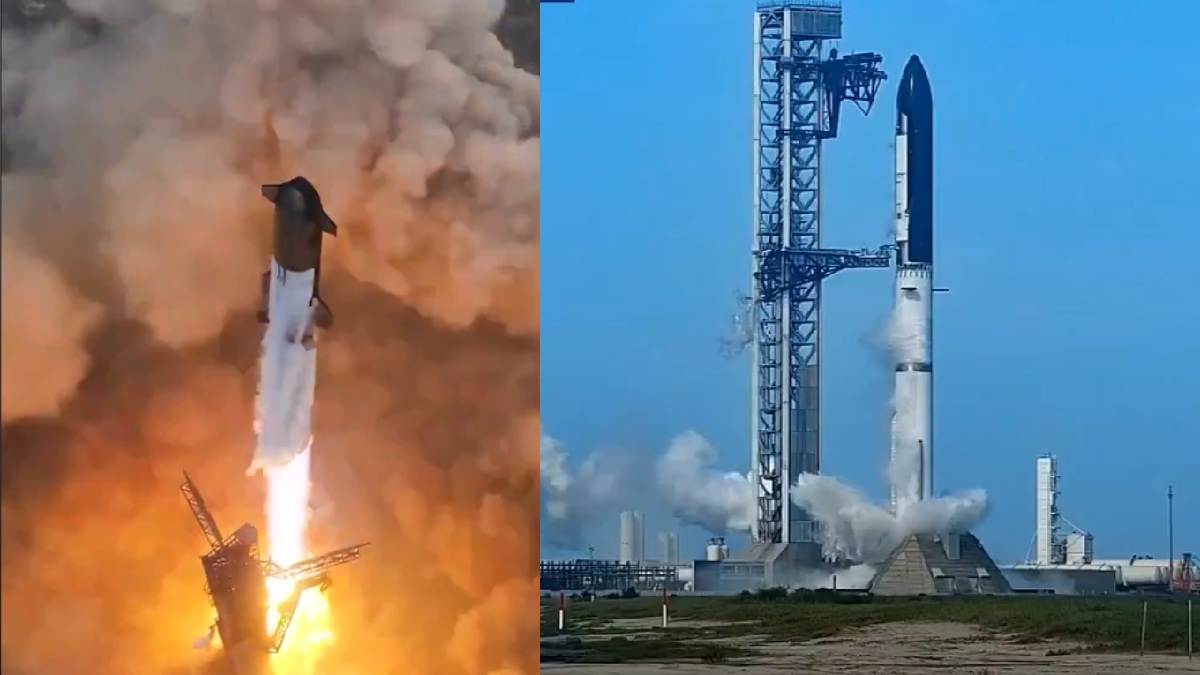
The long-term success of the stock is heavily connected to Starship, the next-generation rocket designed for Mars missions and massive satellite deployments. Analysts like PitchBook and Morningstar say that the stock might debut at a high multiple 90 times revenue.
But that is a valuation experts say could be justified in five to seven years if Starship becomes fully operational and Starlink continues its aggressive global expansion.
Risks and Market Headwinds
More than all the hype, the path to $2 trillion is not without turbulence. Investors are pondering the following risks:
- Technical Delays: Any issues with Starship development could dampen investor interest.
- Regulatory Hurdles: There is a growing pressure from the SEC and FAA on launch frequencies and satellite interference.
- Market Volatility: Early-stage investors trying to sell their holdings after the IPO may see stocks move up or down on the market in the short run.
If successful, the SpaceX IPO will mark a historic merger of space logistics, global telecommunications, and AI-driven infrastructure on the public stage.