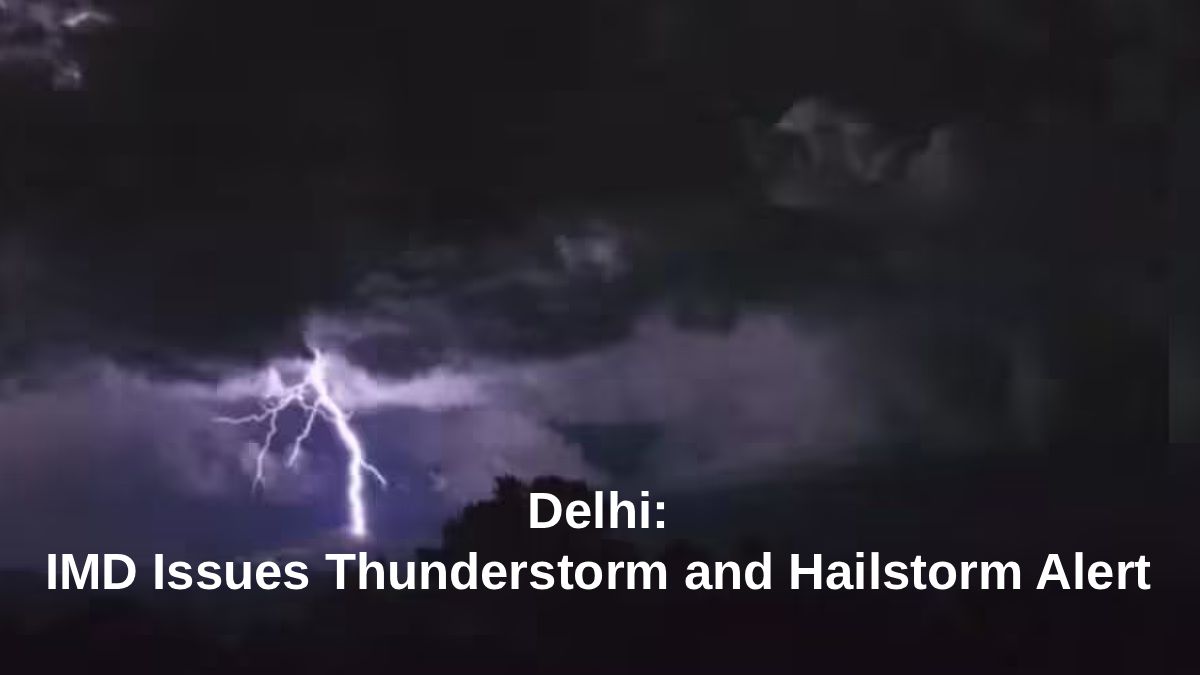
The southwest monsoon launched its thunderous arrival from India on Thursday and struck Kerala coast with lightning, booming thunder and torrential rain over the course of three days. After weeks of anticipation, the India Meteorological Department (IMD) said on Friday that it had officially declared an onset of the rainy season, which is a key ingredient of the four-month rainy season that is essential to the nation’s economy.
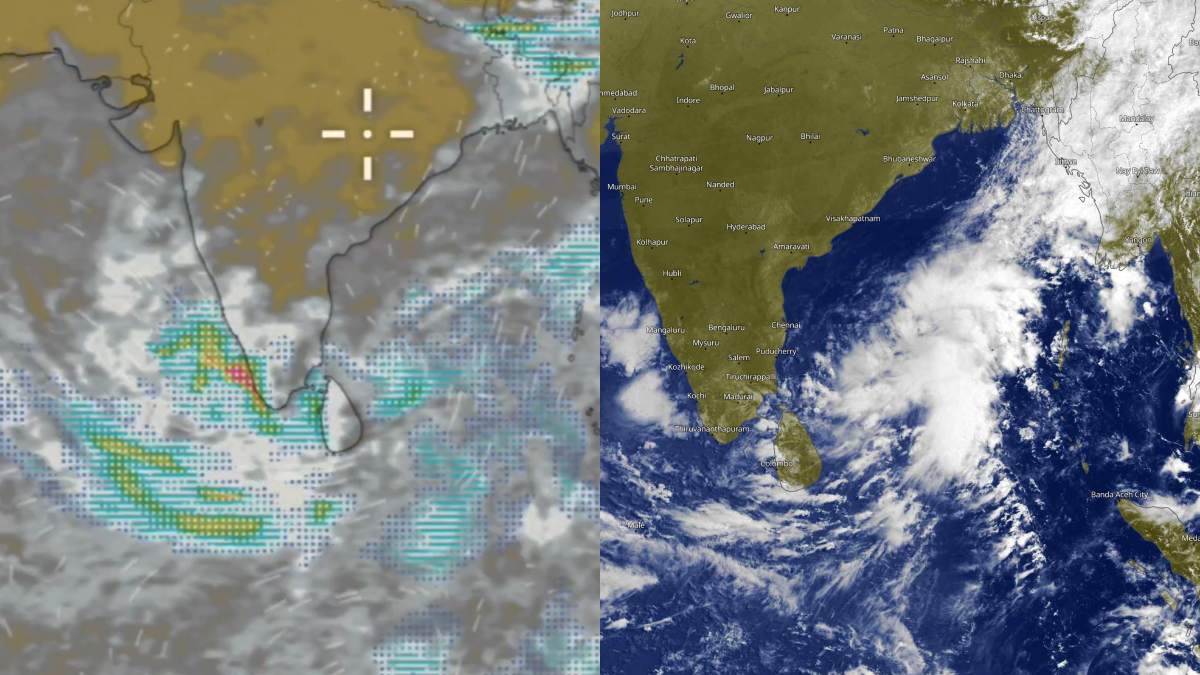
"The monsoon has set in over Kerala today, accompanied by widespread rainfall activity and strong westerly winds," the IMD said. Weather stations across the state recorded heavy to extremely heavy rainfall, with some areas receiving more than 15 centimeters in just a few hours. Waves were churning and palm trees swaying and roads flooded as people fled to cover.
The IMD has issued a red alert in many Kerala districts such as Pathanamthitta, Kottayam, Idukki and Wayanad and warned of very heavy rainfall above 20 cm in 1 day. An orange alert is in place for eight other districts, including Thiruvananthapuram, Kollam and Ernakulam. Fishermen are strongly advised not to enter the Arabian Sea, with squally winds expected to reach 45-55 km/h.
Kerala, still scarred by the catastrophic floods of 2018 and 2019, has activated its disaster response machinery. District administrations are on high alert, relief camps are on standby and evacuation plans are being reviewed for landslide-prone and low-lying areas. “We are fully prepared,” a state disaster management official said.
This year’s monsoon arrived a day ahead of its normal June 1 schedule, after a pre-monsoon season that brought unseasonal showers and hailstorms to parts of northern India. The IMD also expects better conditions for the monsoon to expand to parts of Karnataka, Tamil Nadu, Telangana and northeast India in the next 48 to 72 hours.
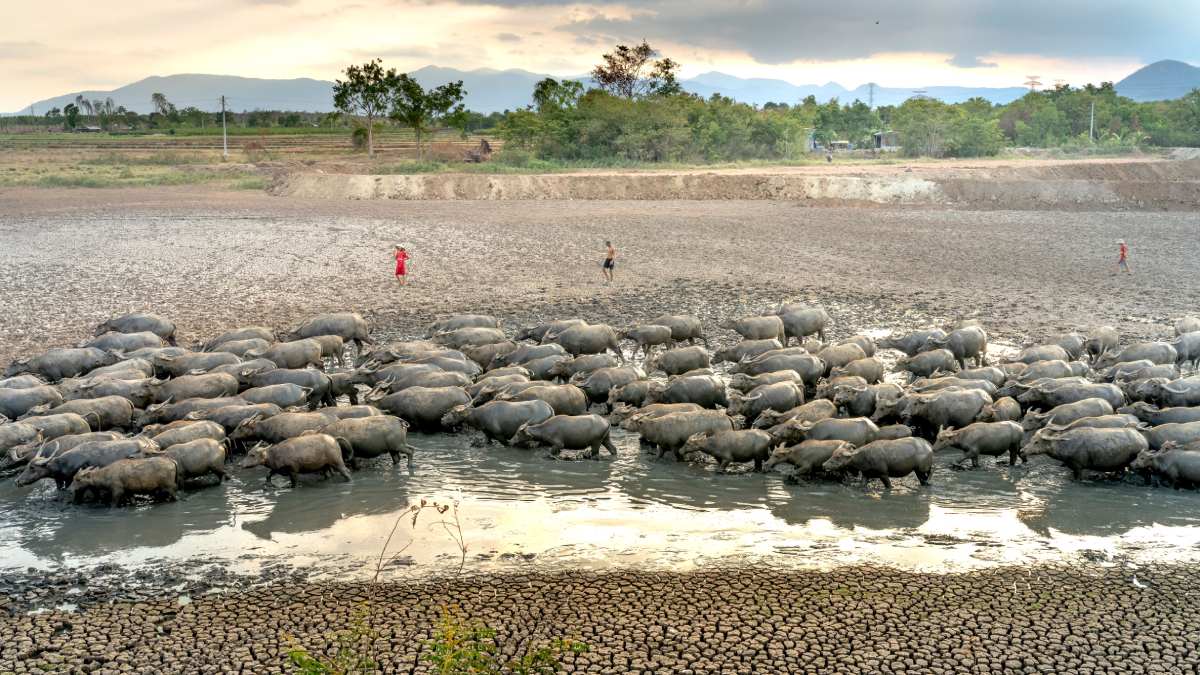
So while farmers in most southern states embrace the life-giving rains for their dry fields and the upcoming planting season, urban residents and local authorities prepare for the challenges that come with it waterlogging, traffic chaos, and the perennial possibility of infrastructure collapse. All these drops matter a lot for a country where more than half of agricultural land has no irrigation, so every drop matters.
The monsoon’s thunderous knock has been a mixture of relief and anxiety: hope for a bountiful harvest and reservoirs, but also caution against nature’s fury. As the IMD keeps monitoring the system’s progression, millions in India watch the skies in the same way, with a very close eye on the season that decides their lives.