Life is unpredictable. Some medical bills, or employees lost, or unexpected home repairs, or trouble with your family. An emergency budget ensures that financial matters are not neglected in these situations and you avoid stress and debt when unforeseen expenses become inevitable.
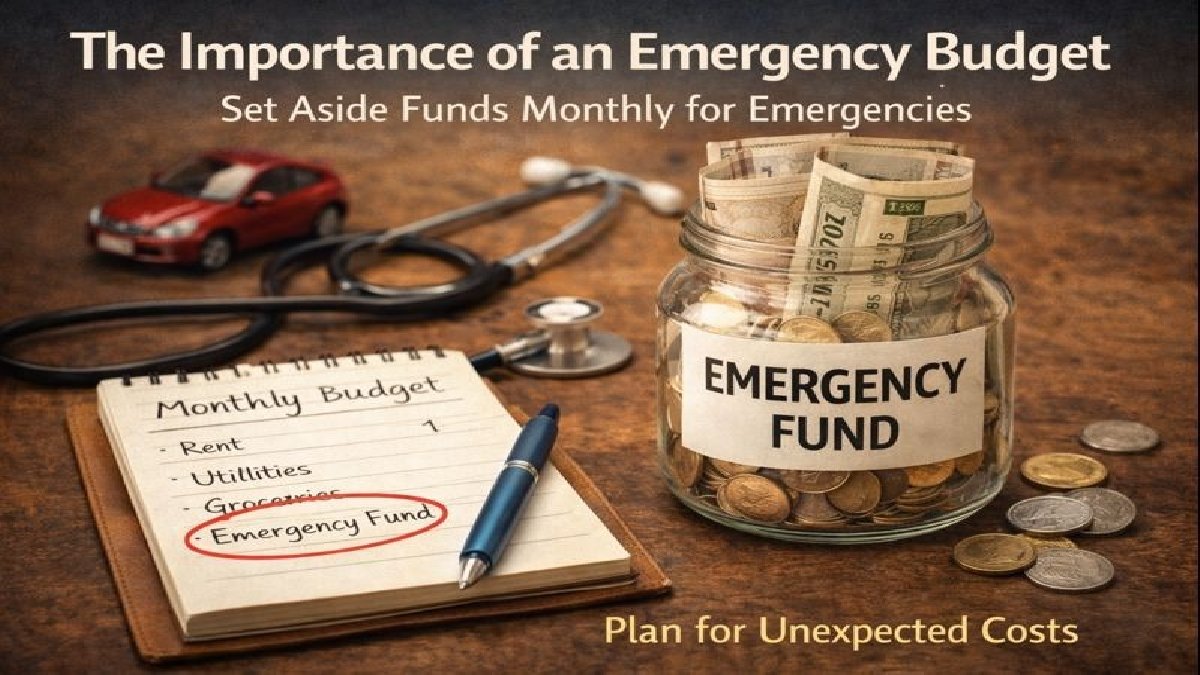
As with your regular budget, an emergency budget is not separate which means there is less money in a specific budget, but instead a planned placement of funds within that budget. You get more prepared than reactive when you intentionally set aside money every month for the unexpected instead of reacting to it. In the absence of such preparation, emergencies tend to result in borrowing and using a credit card or dipping into long-term savings intended for ends of goals like going to school, or retirement.
Beginning by identifying emergency expenses you may incur, starting from things like your likely future debts involving your life. All that could have been in the form of hospital bills, repairs to your car, home maintenance, temporary income reduction. Once you know just how much you can realistically save each month, get that idea down.
No matter how small, a set of resources makes you resilient over time. A good emergency fund should meet 3–6 months of critical costs but it can take some time to hit that number. The key is consistency. Consider emergency savings a static expense, much like rent or electricity. Automating this saving can make it simpler and not tempting to skip out on months.
Keep emergency funds handy yet separate from day-to-day spending accounts. A savings account or a liquid mutual fund is helpful. Don’t waste this money on non-emergency purchases keep it in your pocket for anything that is absolutely required. An emergency funding plan provides peace of mind. The knowledge of being ready gives you the peace of mind that we are able to move fast to focus on long-term growth over short term fear.
Tip: Invest a modest portion of your monthly income in emergency situations — putting a small proportion of your earnings aside here and now is more than starting to plan for a day or so ahead by starting now, not tomorrow.