
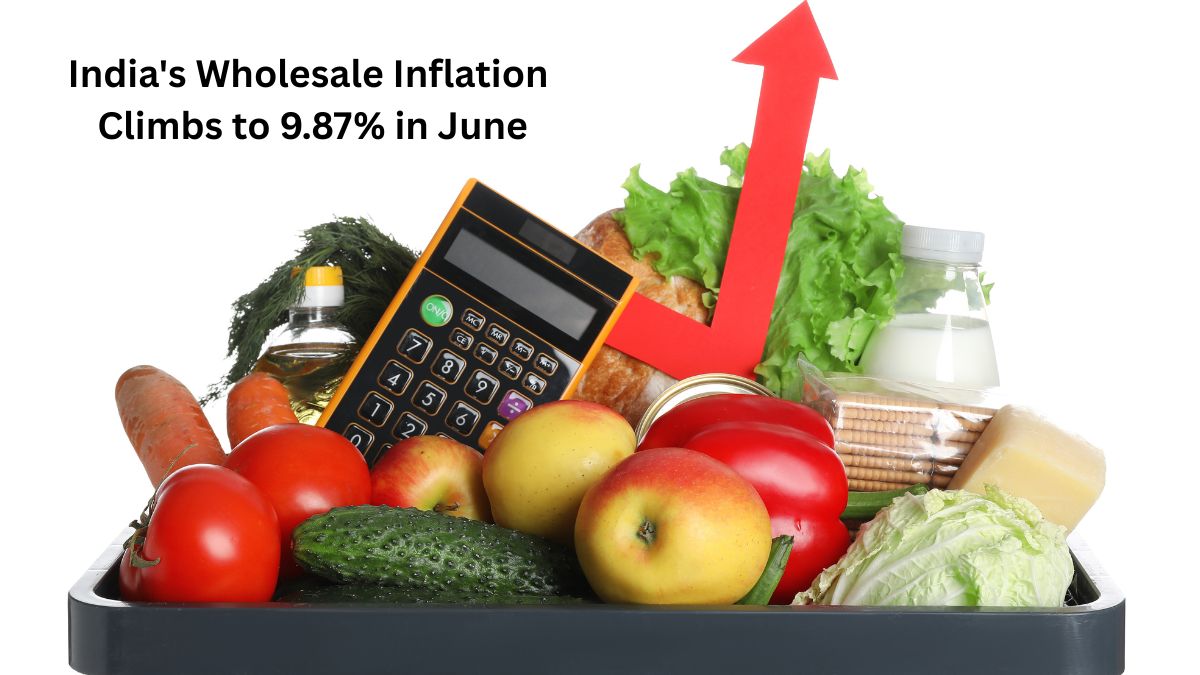
India saw wholesale price-based inflation notably accelerate in January 2026 to a nine-month high of 1.81%. This rise, compared to 0.83% in December 2025, suggests that cost pressures were shifting in some critical industrial and agricultural segments.

The breakdown: WPI bounces back to nine-month high
In addition, on the release of data published by the Ministry of Commerce and Industry on February 16, 2026, the annual inflation rate on the basis of All India Wholesale Price Index (WPI) increased to become 1.81%. It is a stark contrast to the deflationary trends of late 2025, and is a clear sign that price levels at the factory gate are starting to get better.
January surge - Key Aspects
The rise was not concentrated in a single sector; it applied across a number of important categories of activity:
- Manufactured Products (64.23% Weight): They carried the highest weight in the WPI basket: this accounted for an increase of up to 2.86% (compared with 1.82% in December) and were especially visible. This was to a large extent due to the production of basic metals, textiles, and machinery.
- Primary Articles: A sharp increase in this category by 2.21% in January compared to 0.21% the previous month has occurred.
- Food Articles: After barely staying the same as in December (0.00 percent), food inflation came back on its feet, increasing to 1.41 percent in January. This was boosted by an increase in vegetable prices, up 6.78% year-on-year.
- Non-Food Articles: Higher costs of industrial raw materials and non-food agricultural products also pushed a positive inflation print in the market.
Factors Behind the Increase
- Rising Input Costs for Industry: Basic metal prices which spiked by over 5% on one month's news have hit directly at the production costs in electronics, automotive and MSME sectors.
- Vegetable Prices Come Back: Reopening after some tough expansionary pricing, the price of staples of the kitchen especially vegetables started to start climbing again, pulling the wholesalers back from a brief hiatus.
- Low Base Effect: Economists note that lower prices during the same period a year ago (January 2025) created a statistical “base effect” that amplified the percentage of this year’s rise.
The Silver Lining: Fuel and Power
Though most sectors experienced price hikes, the Fuel and Power segment was still a deflationary anchor. Inflation in this category was -4.01% in January. Softer global crude oil prices and steady electricity tariffs kept the headline WPI from rising even higher.
What It Means for the Economy
Though the Reserve Bank of India’s (RBI) main job is to measure Retail Inflation (CPI) it was 2.75% in January 2026 against a new 2024 base the WPI is a vital barometer of corporate well-being. High wholesale prices would indicate manufacturers are running up costs of production. If this trend has continued, in due course companies might end up passing a portion of these costs on to consumers, which could weigh on retail prices in the months ahead. For now, the repo rate is steady at 5.25% but the central bank is still in a "wait-and-watch" dynamic on these developments in the price mechanism.









Comments