In Colombia’s Medellín, a giant mosquito factory supported by the Bill & Melinda Gates Foundation has been front and centre for news coverage. The facility produces about 30 million mosquitoes each week. These mosquitoes aren’t born to spread vaccines or hurt a population. Instead, they are part of the World Mosquito Program, an initiative aimed at curtailing the spread of killer diseases such as dengue, Zika and chikungunya. As other countries engage in such programs, the project has attracted both curiosity and controversy.
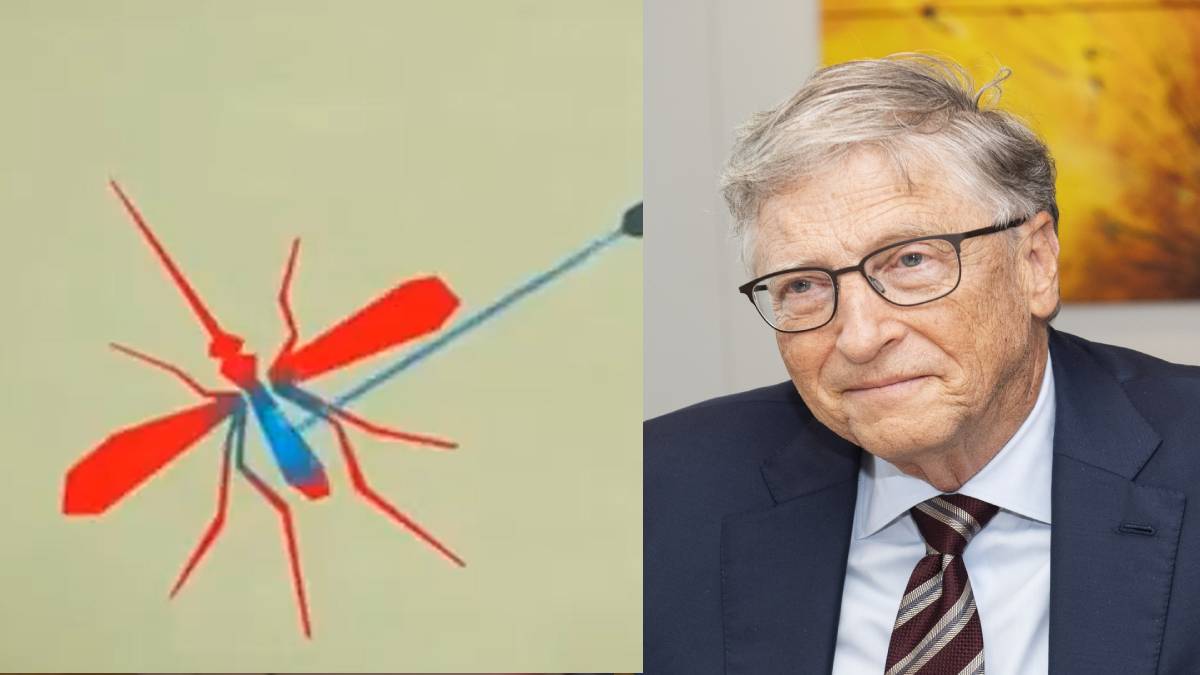
Inside the plant, scientists breed Aedes aegypti mosquitoes carrying a naturally occurring bacterium called Wolbachia. This bacterium prevents the mosquitoes from spreading viruses like dengue. When these mosquitoes are released into the environment, they breed with wild mosquitoes, gradually reducing the ability of the overall population to spread disease. The method is considered a safer way of avoiding problems to prevent ecological damage in place of chemical insecticides used in insecticides.
The project has met skepticism despite its scientific aims. Some viral posts have alleged that these mosquitoes have been used to inject vaccines into people without their consent. Experts have explained that this is misinformation. Mosquitoes do not distribute vaccines, they only block disease transmission. And yet the scale of the program releasing millions of mosquitoes weekly across various countries has stoked doubts about transparency and public communication.
The World Mosquito Program has extended to several countries in Latin America, Asia, and Oceania. From pilot projects it appeared that dengue case incidents were greatly reduced in regions of newly released Wolbachia mosquitoes. Health organizations view that as a landmark effort to control mosquito-borne illnesses, which afflict millions of people each year.
Similar initiatives are also being considered in India and across other areas where dengue and mosquito-borne diseases are serious public health issues. If carried out, such programs might reduce outbreaks and save lives. But communicators also point at the need to take the time to explain it clearly in order not to sow confusion or misinformation.

The mosquito factory based in Colombia is a new way to combat such diseases as dengue. Misinformation has stoked fears about vaccines being transmitted via bites, but mosquitoes are meant to prevent illness, not spread it, the truth is. As it expands the program, transparency and accountability will be critical to keeping public trust and maximizing health benefits.