Gold is traditionally considered a safe-haven asset during times of geopolitical turmoil. However, despite rising tensions and conflict in the Middle East, global gold prices have recently shown signs of slipping, leaving many investors puzzled.
Market analysts say several economic factors are currently outweighing the usual safe-haven demand for the precious metal.
Strong US Dollar Pressuring Gold
One of the biggest reasons behind gold’s recent weakness is the strength of the US dollar. Since gold is priced globally in dollars, a stronger greenback makes the metal more expensive for buyers using other currencies.
As the dollar rises, global demand for gold often slows, putting downward pressure on prices.
Rising Bond Yields Attract Investors
Another key factor is the rise in US Treasury bond yields. Higher yields make bonds more attractive to investors compared with gold, which does not provide interest or dividends.

When investors shift funds into bonds and other interest-bearing assets, gold prices can face selling pressure.
Profit-Taking by Investors
Gold prices had surged earlier amid fears surrounding the ongoing tensions involving countries such as Israel and Iran. After the earlier rally, many investors are now booking profits, which has led to short-term price corrections.
This type of profit-taking is common in commodity markets after sharp gains.
Markets Already Priced in Geopolitical Risk
Some analysts also believe that the geopolitical risk linked to the Middle East conflict may already be priced into the market. As a result, unless the conflict escalates significantly, gold may not see a dramatic surge.
Investors often react quickly to breaking news, but once uncertainty stabilizes, markets adjust and prices can retreat.
Long-Term Outlook Remains Strong
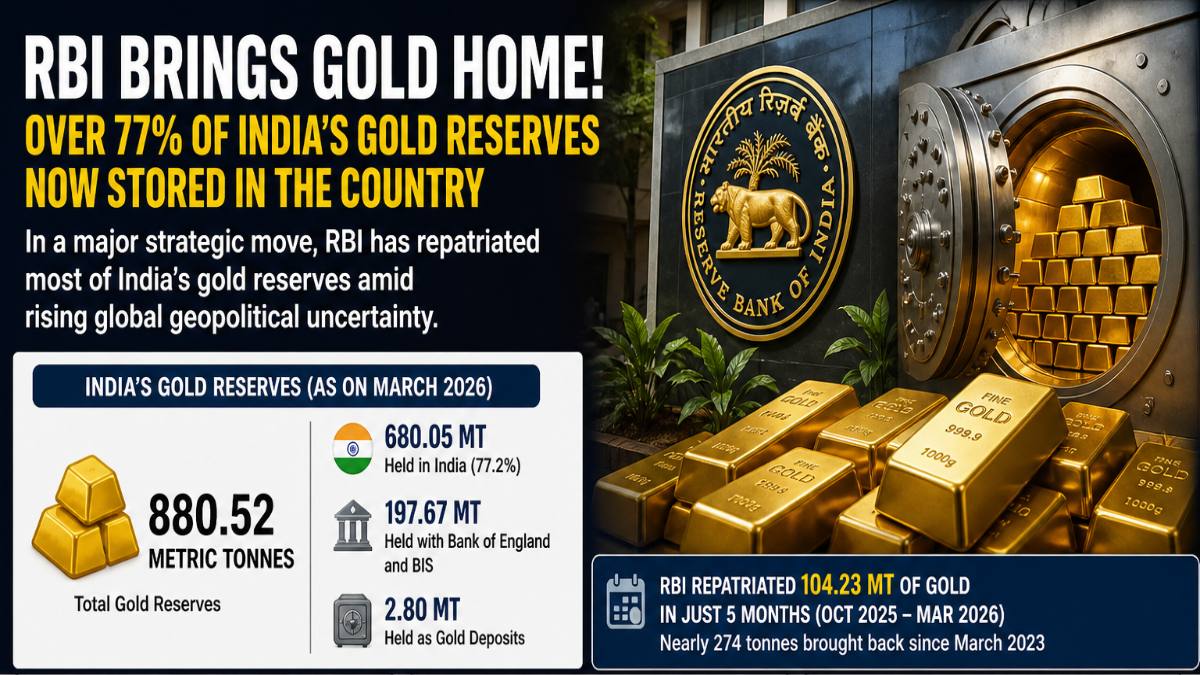
Despite the current dip, experts say gold’s long-term outlook remains relatively stable. Continued geopolitical tensions, inflation concerns and central bank purchases could still support prices in the months ahead.
For investors, the recent decline may represent a short-term correction rather than a major shift in the precious metal’s broader trend.