
Apple says it is cutting component orders for its new iPhone 18 Pro and iPhone 18 Pro Max as consumer demand has taken a dip. Nikkei Asia reports that Apple has asked some suppliers to cut down on component production as memory chip costs and prices for smartphones keep going up.
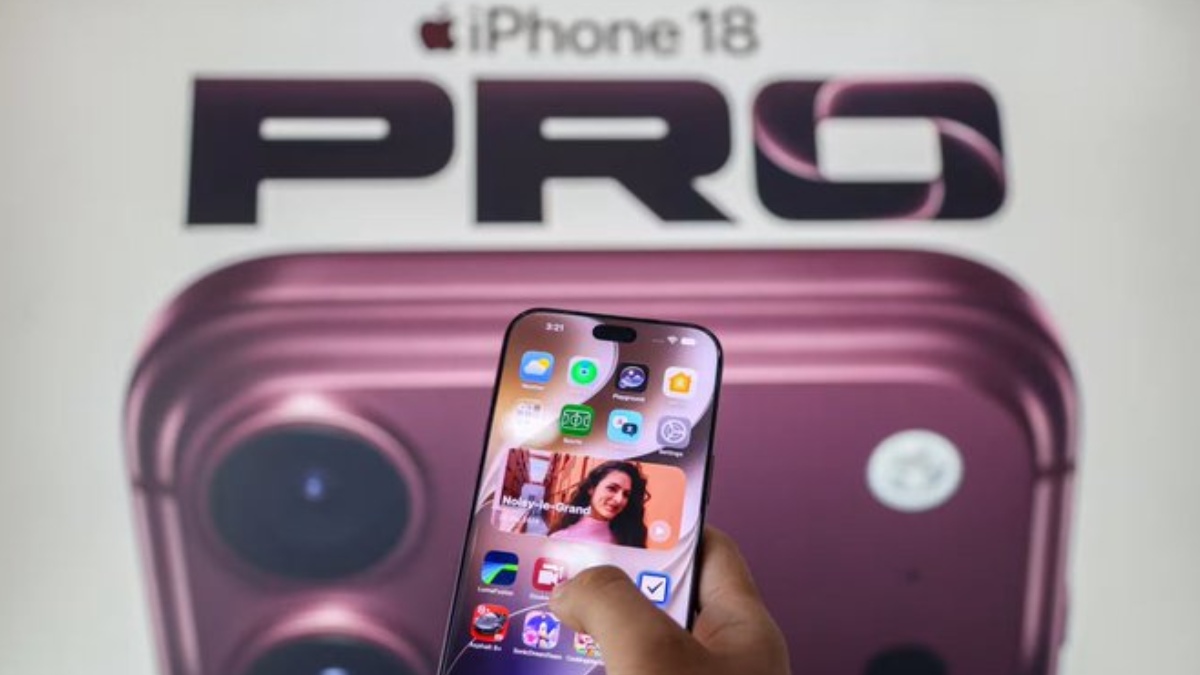
Apple’s new premium smartphones are not going to be able to match the high profile, so consumers are being more wary of spending on the expensive phones.
According to the report, Apple has taken a more conservative approach to its shipment plans starting in early September. It was reported that component orders will be down at least 15% from October according to the company’s initial forecast. It would seem that Apple’s production plans might have changed based on the customer response to its new devices. But that is a supplier component order and should not be taken as a clear drop-off of that same percent in final smartphone sales.
One of the reasons for the slowdown appears to be that Apple's new Pro models are more expensive than the iPhone 7 and 8. The iPhone 18 Pro starts at $1,199 in the US and the iPhone 18 Pro Max starts at $1,299, but that’s $100 more than the iPhone 7 and 8.
Higher prices affect purchasing decision-making when consumers don’t know if the latest features justify any additional expenditure. But even Apple’s luxury phones have all the features and technology needed to be more advanced (better cameras, faster performance and software) and a lot of people don’t want to wait for a new phone every year.
People also have alternatives for different price categories like younger iPhone models and premium Android smartphones. And as the smartphone market prices rise, customers now will be looking to compare specifications, long-term software support, battery life and overall value of the product and will also look at product in terms of long-term software support and performance to decide if it’s worth buying it.
Apple’s high memory-chip costs have also been cited as a factor for the supplier order adjustments. Demand for advanced semiconductors and memory components is rising as tech companies have poured billions into artificial intelligence infrastructure and data centres.
AI computing has increased competition for some high-performance chips and memory products. This can put pressure on component availability and raise procurement costs for companies manufacturing consumer electronics.
Smartphones increasingly require sophisticated memory to support demanding applications, multitasking and artificial intelligence features. It is important to consider components of a product price and profit now that manufacturers are incorporating more sophisticated technology into their products.
Apple already has higher costs for memory and storage components. If those expenses continue to rise, the company might have to weigh product pricing, supplier commitments and profit margins more carefully.
The demand slowdown might not be only because of pricing. Nikkei Asia also indicated that changes in Apple’s product launch schedule might be affecting consumer behaviour.
Some customers may delay purchasing decisions when they expect another new device, and a different product category, to be released soon. Apple’s new foldable smartphone, the iPhone Duo, and new Pro models could also affect some customers’ perception of the product options.
A new form factor can give a new choice for people who are considering an upgrade. Buyers who are interested in a foldable design can wait before purchasing a conventional premium smartphone. In what way this impacted demand for the iPhone 18 Pro series is unclear.
A decline in component orders doesn’t necessarily be a sign that Apple's flagship smartphones have been unsuccessful commercially. Companies regularly revise production plans according to demand forecasts, inventory levels, supplier availability and changing market conditions.
🚨 Apple has reduced iPhone 18 Pro and Pro Max orders due to soft demand. (Nikkei Asia) https://t.co/aP6kWTgbVt
— Indian Tech & Infra (@IndianTechGuide) October 9, 2026
But the move demonstrates the challenges of selling such expensive smartphones in a fast-moving market. Apple needs to convince customers that its latest devices are good enough and worth their price.
And investors and technology suppliers are likely to be interested in the development as changes in Apple’s production plans could affect the business of those who make smartphone components and assemble them. But the long-term financial impact will be on actual sales, inventory levels, pricing decisions and demand in the big markets at large.







Comments