
Karnataka’s long-running recruitment controversy has been thrown out by the Supreme Court once again with a ruling that invalidated the 2022 law, which allowed the Karnataka government to say that 362 Gazetted Probationers for the Karnataka Administrative Service (KAS) from the 2011 recruitment process were eligible for selection in the state government’s KAS, but the selection list was invalidated by the Karnataka High Court. The case has been pending for over a decade and is one of the most closely argued recruitment disputes in Karnataka.
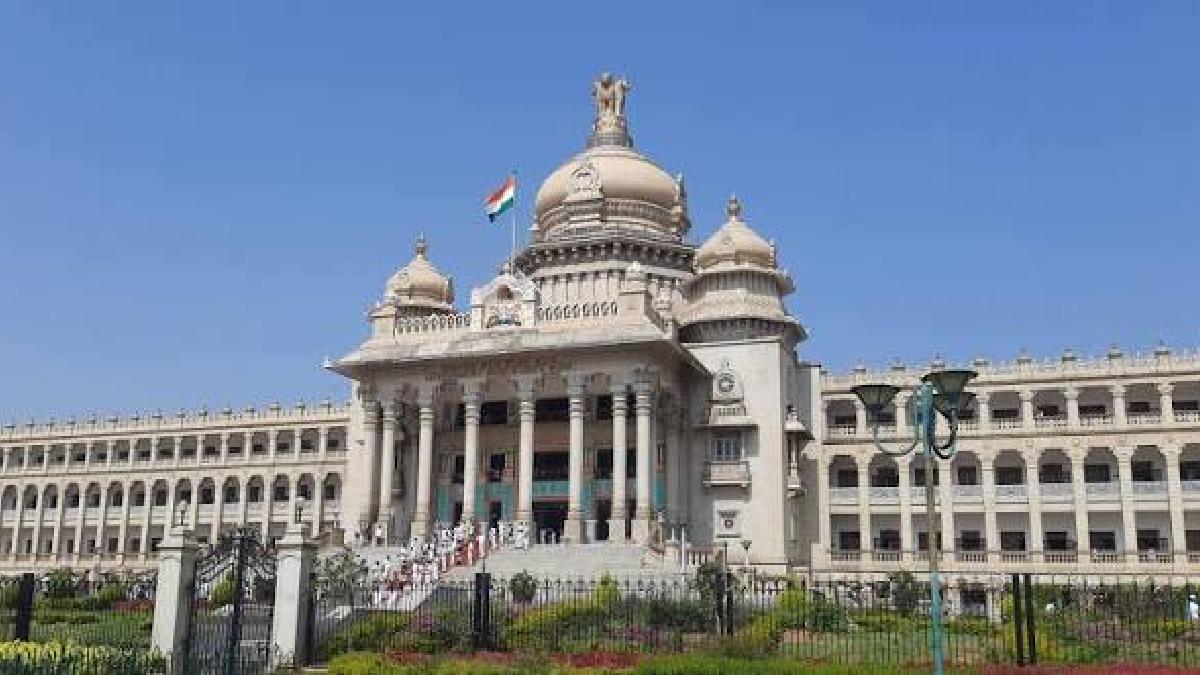
Justice J.B. Pardiwala, of the Supreme Court, declared the state's 2022 legislation invalid, and the government, in its bid to restore the appointments, to date cannot make good on that. The Karnataka Civil Services (Validation of Selection and Appointment of 2011 Batch Gazetted Probationers) legislation was passed by the government to legitimise the selection list, but the court struck down the list.
The decision shows how legislative intervention can come up short when a government tries to survive a court judgment without taking into account the legal basis on which the decision was made. The consequences for the officers and any further actions by the relevant authorities will depend on the actions taken in the judgment and how it is applied.
The dispute began on November 3, 2011, when the Karnataka Public Service Commission (KPSC) invited applications to fill 362 Gazetted Probationer positions in Group A and Group B services. The recruitment process was subsequently accused of corruption and irregularity (e.g., the assignment of marks during interviews). In 2014, following a CID inquiry, the state government decided to cancel the selection process. Candidates and unsuccessful applicants challenged different decisions on the validity of the recruitment and appointments.
In the years after, the Karnataka Administrative Tribunal (KAT), the Karnataka High Court and the Karnataka Government adopted decisions that shaped the long-running legal battle. In 2017, the state government decided to proceed with the appointments after a favourable tribunal decision, but the selection process was again challenged in court.
Whether the whole selection list could still see the light of day and whether it was OK to keep the selection process on as if there were any irregularity and whether the best candidate who was cleared from the recruitment process would still get to keep their selection as a result of their selection. The case was particularly hot because hundreds of candidates whose careers were essentially dependent on the final legal decision, and the outcome was of importance to the hundreds of candidates in the process.
In February 2022, the Karnataka Government passed the validation legislation, arguing that the selected candidates should not be punished for any wrongdoing in the recruitment process. This law sought to validate the selection list, cancel government orders issuing withdrawal of recruitment and to accept appointment orders for the selected candidates.
The legislation was a new legal challenge at that time, with the opposition saying that the state could not use a new law simply to wash away the previous judicial decisions about the recruitment. In April 2022, the Karnataka High Court declined to hear the former cases, so the unsuccessful candidates approached the Supreme Court.
The Supreme Court process has been dominated by the question of whether the 2022 law can stand the constitutional test given the past years of litigation and the allegations about the selection process. The recruitment has been questioned regarding the integrity of the process (e.g. interview marks and examination records).
The state’s position and whether the chosen candidates have the legal basis to challenge the law will also be of great importance. The outcome can shape in many ways the officers appointed under the law, and the principle of the relationship between legislative action and judicial decisions.
For Karnataka’s administration, the case has a significant impact as the 362 posts for which one has Group A and Group B are important. Officers selected through the recruitment process have been involved in revenue administration, commercial taxes and other government departments.
Any final decision affecting the legal validity of their appointments might require further action by the state government and the personnel administration authorities. However, no firm decision on the individual officers will be made without consideration of the final judgment and any direction of the court, which is very important.
The controversy also raises broader questions about transparency and accountability in public recruitment. Competitive examinations are intended to provide equal opportunities to eligible candidates, and allegations of irregularities can undermine public confidence in the selection system.
At the same time, those who argue that they were selected without personal wrongdoing argue that their careers should not be jeopardised indefinitely by institutional failures. The solution to these competing concerns needs to be legally sound, and the recruitment must be fair and ethical in order to honour the rights of all parties.







Comments