India is targeting one billion 5G users by 2030, as the country follows the rapid growth of next-generation mobile connectivity, Communications Minister Jyotiraditya Scindia said in New Delhi. It is a huge leap from the 550 million people who use 5G services in the country today.
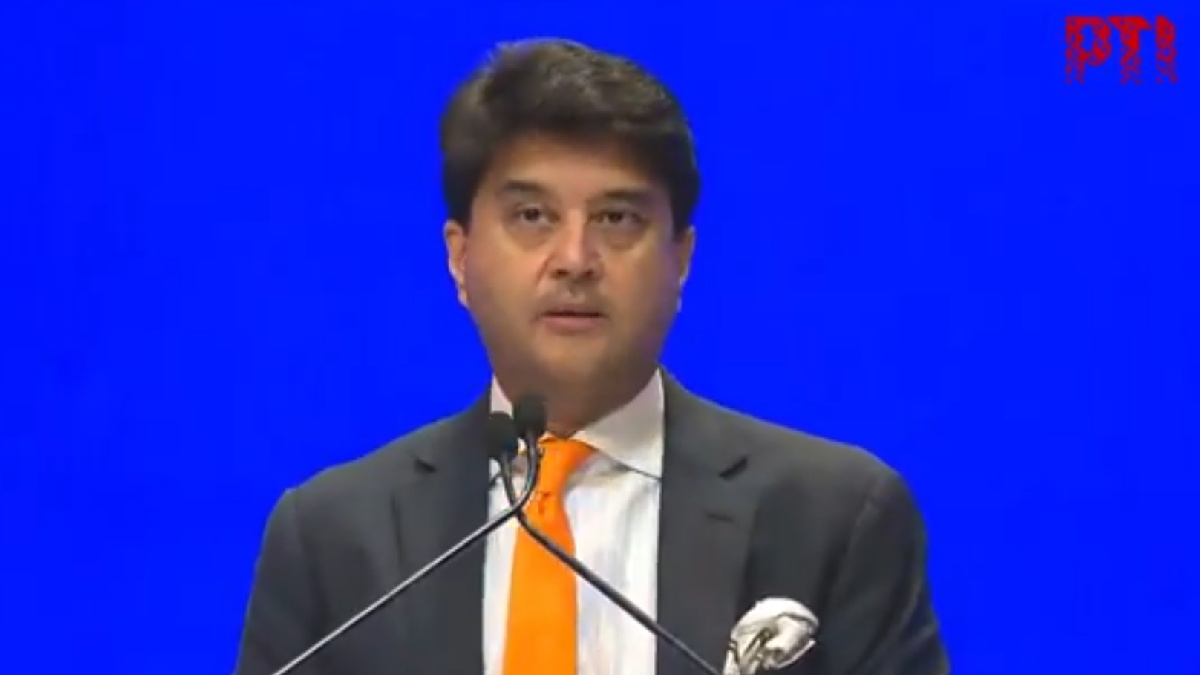
Scindia’s comments underscore the government’s focus on expanding 5G adoption at the same time as preparing India for the next wave of telecommunications technology.
India Mobile Congress 2026 will be held at Yashobhoomi, New Delhi from October 7-10 and will bring together telecom companies, technology companies, startups, policymakers and global industry players to share the latest developments in connectivity and digital infrastructure.
India’s 5G Expansion Accelerates
India’s transition to 5G has taken a rapid pace over the past few years. Scindia has also said that 500 million people have been connected to 5G in about two-and-a-half years in recent years, with heavy investment in telecom infrastructure. At the theme launch of IMC 2026 he said the country had invested around Rs 4.5 lakh crore in 5G infrastructure and deployed nearly five lakh telecom towers during the rapid rollout.
The new target of one billion 5G users by 2030 indicates that the government is now getting more than just launching networks and going all round mass adoption. Greater availability of compatible devices, wider network coverage and growing demand for high-speed mobile services will be key to that goal.
India's 5G network has already expanded substantially. 5G services cover 99.9 per cent of India’s districts now and reach about 85 per cent of the population, the Ministry of Communications has said. The government also said India has more than one billion internet subscribers, which is indicative of the vast digital ecosystem.
From 5G expansion to 6G leadership
While 5G adoption is still a key initiative, Scindia has also stressed India’s desire to work as an engine of the 6G technology. The Communications Minister has said India has already taken the lead in 5G deployment but now wants to lead in 6G.
The move to 6G is going to be more than just faster mobile internet. Future networks will also be able to support artificial intelligence, connected devices, autonomous systems, industrial automation, immersive technologies and advanced digital services.
India is also working with Bharat 6G Alliance to enhance domestic research and innovation and global standards. The government has been positioning the country not only as a leading consumer of telecom technology but also as a developer and manufacturer of technologies and solutions for global markets.
IMC 2026 focuses on Next Generation Technology.
The 10th edition of India Mobile Congress is themed “Scale Without Boundaries”. The event is expected to include advancements across 5G, 6G, artificial intelligence, semiconductors, satellite communications, quantum technologies, cloud computing, cybersecurity and electronics manufacturing.
The scale of the event also reflects India’s growing ambitions in the technology sector. The government said more than 1.5 lakh participants, over 500 exhibitors and partners, more than 600 startups and about 900 thought leaders are expected at IMC 2026. More than 2,000 technology use cases, 120 sessions and hundreds of investor meetings are also planned.
For India's telecom sector, the event will provide a platform to demonstrate how the country’s digital infrastructure is evolving from basic connectivity to advanced technology applications.
Domestic Telecom manufacturing gets push
The government’s telecom strategy is also increasingly focused on domestic manufacturing. Scindia has stressed the need for India to transition from being primarily a services-driven economy to becoming a product-focused technology nation.
Earlier this year, the government announced plans for India's first Telecom Manufacturing Zone in Gwalior, Madhya Pradesh. The proposed ecosystem is intended to support telecom equipment manufacturing, semiconductor-related activities and data-centre development.
The Production Linked Incentive scheme for telecom and networking products is another part of that broader strategy. The government has linked the expansion of domestic manufacturing with investment, job creation and the development of Indian technology companies capable of competing internationally.
What The 1 Billion 5G Target Means
To bring the network to one billion 5G users by 2030, we need continued investments in the telecom ecosystem. Network expansion will need affordable smartphones and other compatible devices, reliable services and greater adoption in smaller cities and rural areas.
The development of 5G would also help to open up new use cases in the world beyond traditional smartphone connectivity. Enterprises could leverage high-speed and low-latency networks for automation and connected operations and healthcare, education, logistics, agriculture and manufacturing would also use advanced digital applications.
So the expansion of 5G is seen as part of India’s overall digital transformation, not just another mobile network upgrade.
For consumers the transition is to be easier to connect to and for others to use more services. For businesses it should open up opportunities with cloud services, artificial intelligence, connected devices and digital infrastructure. For the telecom sector the only challenge will be to make the next phase of growth commercially sustainable but still maintain broad coverage of the network.
As India already has crossed the halfway mark to reach its one billion users, the next four years will be key. The government now wants the country’s rapid 5G rollout to evolve into deeper adoption while also establishing a strong foundation for 6G.
With IMC 2026 highlighting India’s telecom progress, the one-billion 5G target is the next major milestone in the country’s connectivity journey. And so the aim is not just to connect more people but to build infrastructure, technology and manufacturing capacity to make India a major player in the global telecommunications ecosystem.