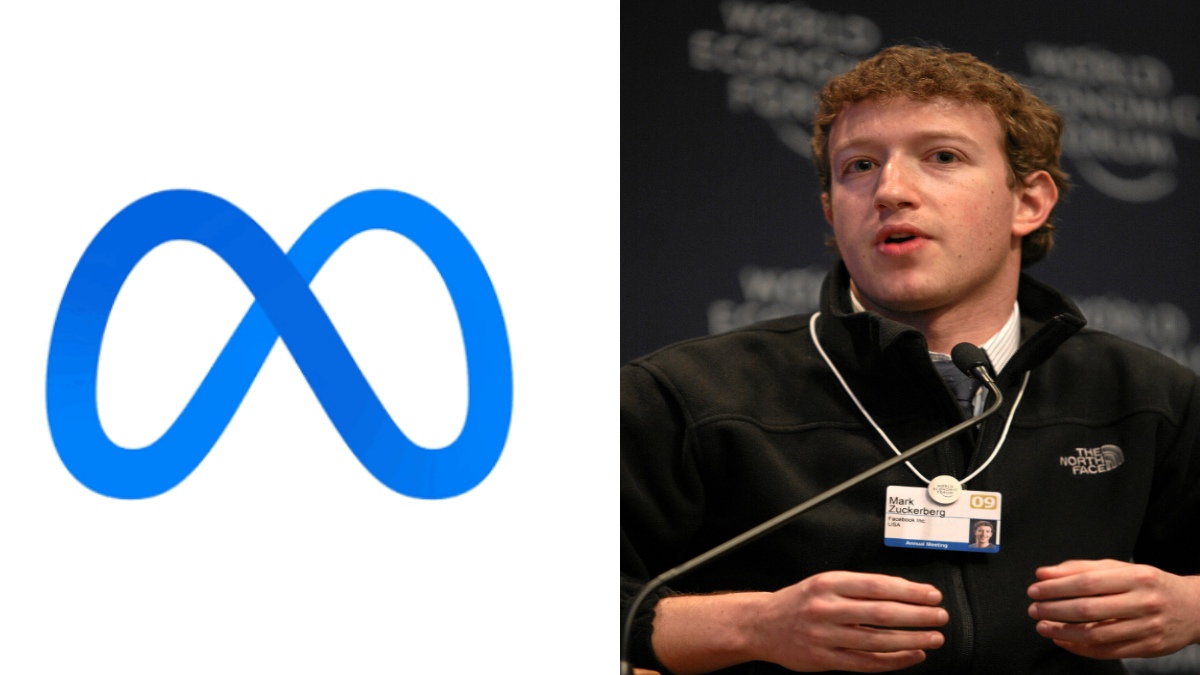
Meta CEO Mark Zuckerberg has opposed calls for a synchronized slowdown in AI development, saying AI companies have a huge incentive to make their models safer, more reliable and in line with users’ needs.

Meta CEO Mark Zuckerberg has weighed in on the growing debate over whether the artificial intelligence industry should deliberately slow down the development of increasingly advanced AI systems. His comments come as several prominent technology leaders and researchers discuss the possible risks associated with the rapid pace of AI development.
Zuckerberg has argued that an industry-wide agreement to slow AI progress might not be necessary because individual AI laboratories already have both the responsibility and the incentive to focus on safety. As Meta chief, companies can independently determine the appropriate pace of development and put safeguards in place to manage potential risks.
The debate has been prompted by Anthropic CEO Dario Amodei, who has called for a more cautious approach to AI development. Amodei has raised concerns about the speed at which AI capabilities are advancing and has outlined measures to encourage greater attention to safety and potential risks. OpenAI CEO Sam Altman and Elon Musk have also expressed similar sentiments.
Zuckerberg Says AI Companies Can Prioritise Safety On Their Own
Zuckerberg also took a stance on X that AI companies don’t necessarily need to wait for an industry-wide consensus on safety. He said every AI lab has a responsibility and a motivation to develop models at a pace that allows them to be trained safely and to act independently to mitigate risks.

Meta CEO’s argument is that competition can make companies invest in AI safety too. Users will be putting more weight on reliability, trust and predictable behaviour with more AI systems integrated into everything from their products to their services. Should companies fail to address these concerns, customers and the broader market will feel the pressure.
Zuckerberg also emphasized alignment as AI systems become more capable of performing complex tasks autonomously. Trust and alignment, he said, are the main things that distinguish AI models and agents from the competition. Companies that don’t create systems that users can trust would struggle to compete with organisations that place more emphasis on reliability and alignment.
Meta Chief Highlights Role Of Independent AI Evaluators
Part of Zuckerberg’s argument is independent assessment of AI systems. AI companies need to have independent evaluators and advisers who are able to assess their technologies and evaluate the potential risks.
Independent testing has become an increasingly discussed aspect of AI development as companies release more advanced models. External evaluations can provide an additional layer of scrutiny beyond internal testing and may help identify weaknesses, safety concerns or unexpected behaviour before systems are widely deployed.
Zuckerberg also mentioned the importance of computing resources in AI development. He suggested that steering the vast majority of computing power towards users instead of recursive self-improvement would reduce the risks associated with developing more autonomous AI systems.
AI Slowdown Debate Continues Across Silicon Valley
The dispute highlights a larger debate within the technology industry on how fast artificial intelligence should be developed. Those who think that AI should be developed slower in a more industry-based way say the industry's capacity to understand and manage risks is limited.
Last month I wrote about how we can build a positive and safe future for everyone: https://t.co/1KtONlqBs5
— Mark Zuckerberg (@finkd) September 15, 2026
Every lab has the responsibility and incentive to move at the pace required to train its models safely, and the ability to take its own actions to ensure that happens.
The…
Some people have felt that a coordinated slowdown might be the most effective option, as Zuckerberg noted in his latest comments. But his stance is to let companies make their own decisions about development speed under the radar of safety processes and external oversight.
The debate will likely continue as AI companies race to build AI models and agents. As artificial intelligence enters the technology industry’s future, we expect the safety aspects, alignment, computing resources and independent evaluation of the algorithms to be key.
Zuckerberg framed it as maintaining what he described as the right balance of power. Rather than stopping AI development completely, he sees responsible development, independent assessment and user-serving applications as key to managing the technology's risks and continuing to improve its capabilities.