India's telecom sector is set for a significant regulatory change as the Department of Telecommunications (DoT) prepares to tighten the rules to prevent people from buying mobile connections beyond the legally permitted limit. The new rules will take effect on August 24, 2026, and are being designed to enhance subscriber verification, reduce misuse of SIM cards, and enhance the country’s telecommunications network security.
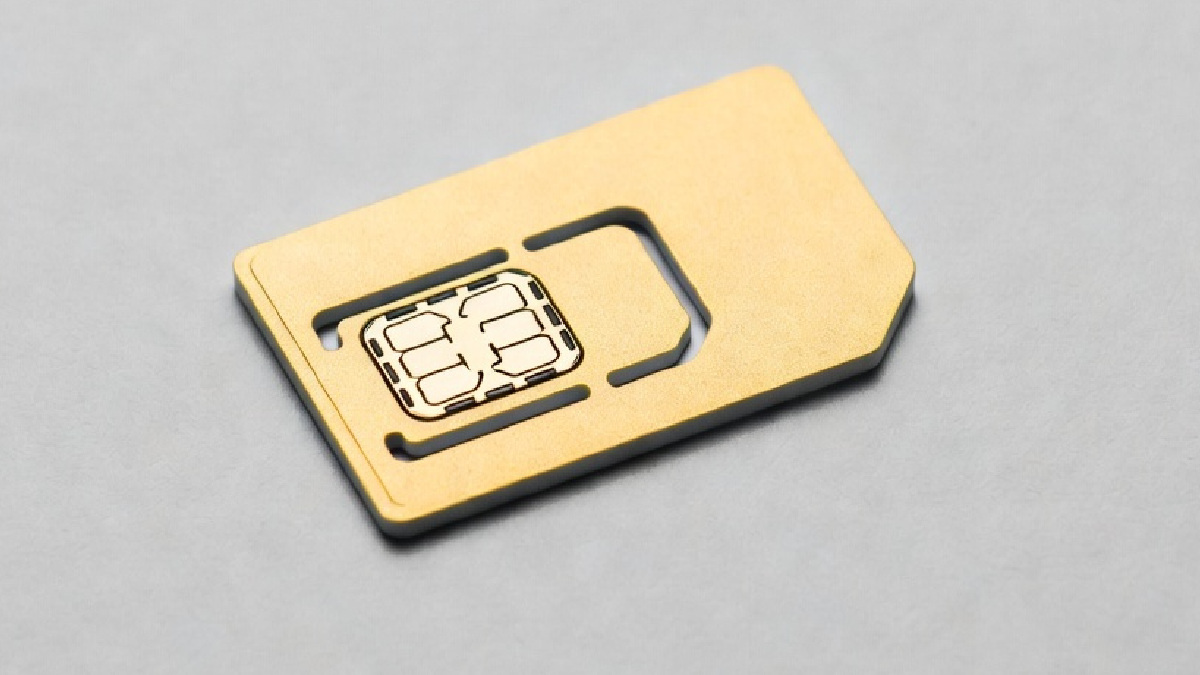
Under the existing laws, an individual in most parts of India can hold up to nine mobile connections in their name from all telecom service providers and licensed service areas. However, in some sensitive areas, the limit is lower. In Assam, the North-Eastern states, and the Union Territory of Jammu and Kashmir, a person has only up to six mobile connections.
The latest DoT directive orders telecom service providers (TSPs) to identify those customers who have already reached the maximum number of mobile connections. Once identified, these subscribers will not be able to get any additional SIM cards beyond the limit. Telecom operators will also be required to inform customers when they are no longer able to acquire another connection.
The new mechanism will be implemented post-facto according to the circular issued by the Department of Telecommunications. That means that telecom companies will initially identify violations when a subscriber is trying to get a new connection. However, the DoT has directed operators to switch to a real-time verification system by November 30, 2026. Once the system is operational, telecom companies will be able to know right away if the applicant has already reached the maximum number of permitted connections.
One of the key components of the proposed framework will be the use of subscriber photographs. The Department of Telecommunications will use representative images of subscribers who have already obtained the maximum SIM card limit available through the Digital Intelligence Platform (DIP) that will be shared with telecom operators beginning from August 23, 2026.
Telecom service providers will need to download and update these images daily. The aim is to help operators identify people who are trying to acquire a few more mobile connections after reaching the limit. Combined with existing verification mechanisms on the subscriber images, authorities will aim to avoid identity fraud and prevent individuals from obtaining too many SIM cards through fraudulent means.
The move is part of the government’s broader efforts to enhance telecom security and fight cybercrime. Law enforcement agencies have expressed concerns about the misuse of mobile connections for financial fraud, cyber scams, phishing operations, and other criminal activities in recent years. Fraudsters often obtain multiple SIM cards using fake identities or by exploiting weaknesses in subscriber verification systems.
With the limit on the number of connections set, the authorities believe it will become more difficult for bad actors to misuse telecom networks. The Digital Intelligence Platform has already been used for detecting suspicious telecom activities, discovering fraudulent connections, and improving coordination between telecom operators.
The DoT has directed telecom operators to put technical and organisational measures in place to implement the new rules. Operators must integrate their systems with the Digital Intelligence Platform and set up procedures for identifying subscribers who have reached the connection limit. Compliance with the directive will be closely monitored by the government.
The changes in ordinary mobile use are unlikely to have an impact on those who remain within the permitted numbers. Customers with fewer than nine mobile connections in most regions (or fewer than six connections in the special regions) can still get new SIM cards with standard verification procedures. But those who have already had the maximum number of connections will not be able to buy more SIM cards unless they deactivate one or more existing connections.
In fact, the industry believes the measure will improve transparency and telecom governance and lessen abuse. At the same time, telecom companies are likely to face challenges as they upgrade their systems and implement the real-time verification process within the specified timeframe.
The new SIM card rules are another step in the evolution of telecom regulation in India and digital security. Mobile phones are increasingly important for banking, digital payments, government services, and online communication, and therefore maintaining subscriber records is a top priority.
Telecom operators are working hard to cope with the new requirements in advance of the summer deadline of August 24. Consumers are also advised to check how many mobile connections are registered in their names and to disconnect any unused or inactive SIM cards, if any. The new framework will be able to make India’s telecom ecosystem more secure, responsible, and resistant to misuse in the future world of communications services.