
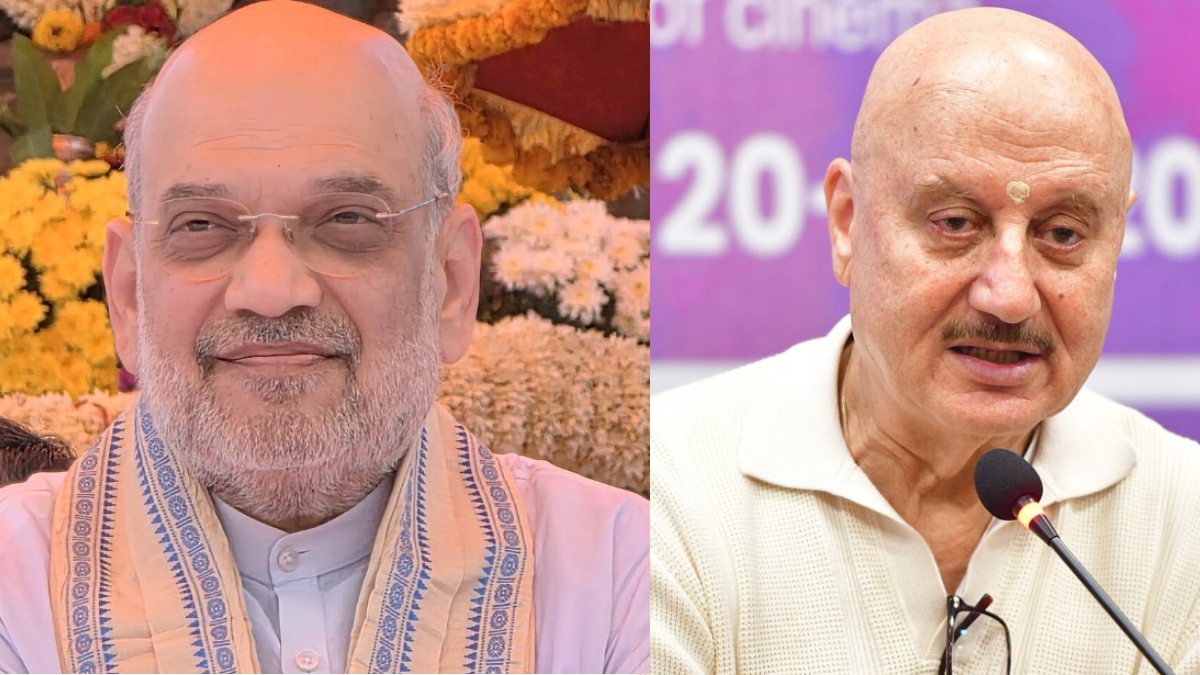
Amit Shah, the Union Home Minister, has reiterated the Indian government's commitment to clean and rejuvenate the Yamuna River, setting May 2029 as the target for achieving the ambitious objective.
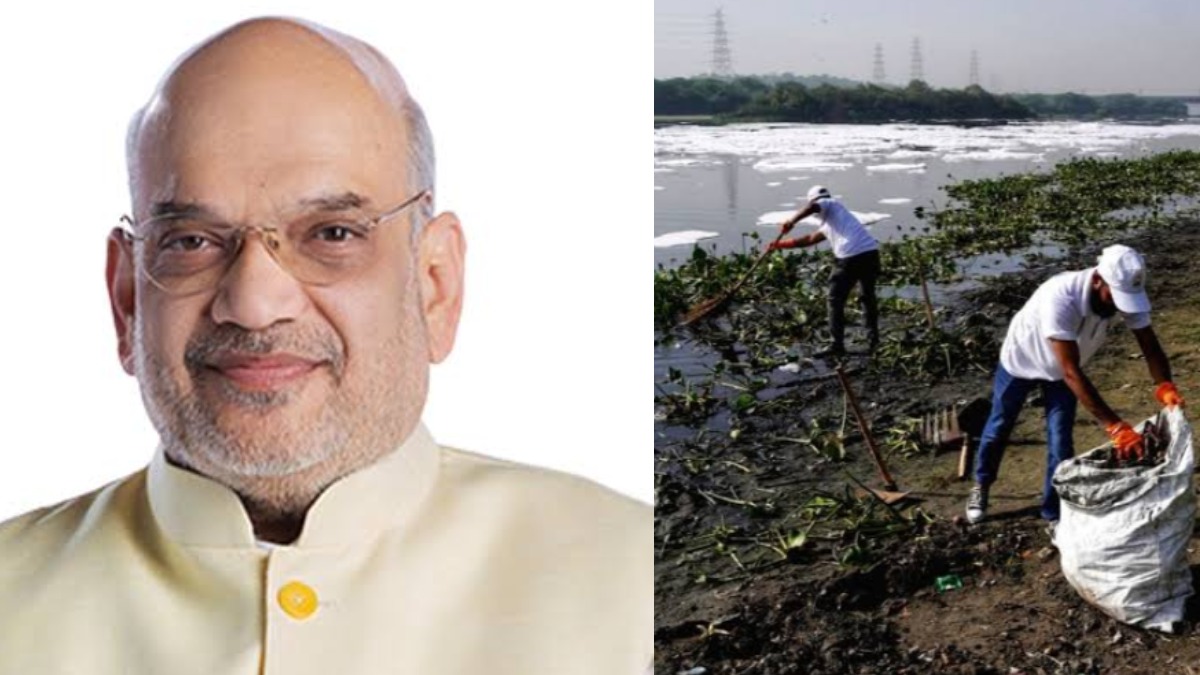
This declaration underlines how the government is taking up the most urgent environmental problems in northern India for the country and especially in Delhi, where river pollution has long been a major public concern.
The proposed deadline has brought renewed attention to the continuing need for clean water projects, pollution control measures, and restoration of ecological health in the Yamuna.
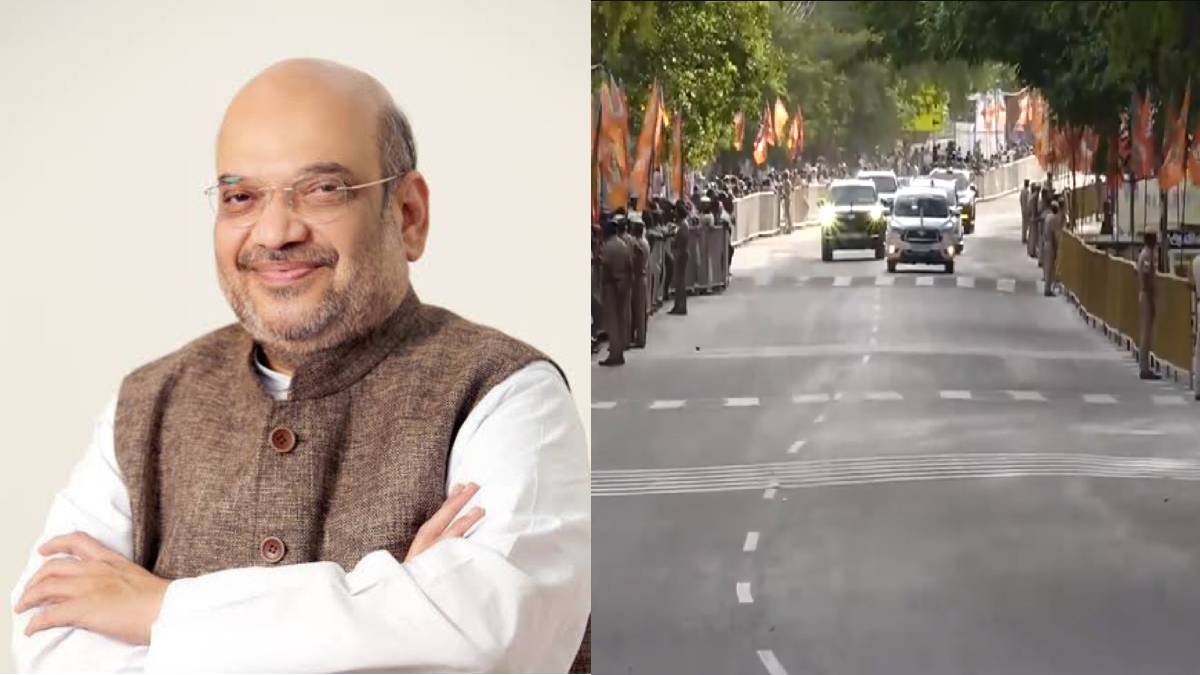

The Yamuna is one of India’s most significant rivers and has a lot of cultural, religious, and economic significance. Starting from the Yamunotri region in Uttarakhand, the river flows through several states before it reaches the Ganga at Prayagraj in Uttar Pradesh.
Along the way, it supports communities, agriculture, and ecosystems. But it is under growing environmental pressure from untreated sewage, industrial wastewater, household waste, and other pollution.
This is especially acute in Delhi, where pollution has affected water quality and the natural functioning of the river and is affecting aquatic life.
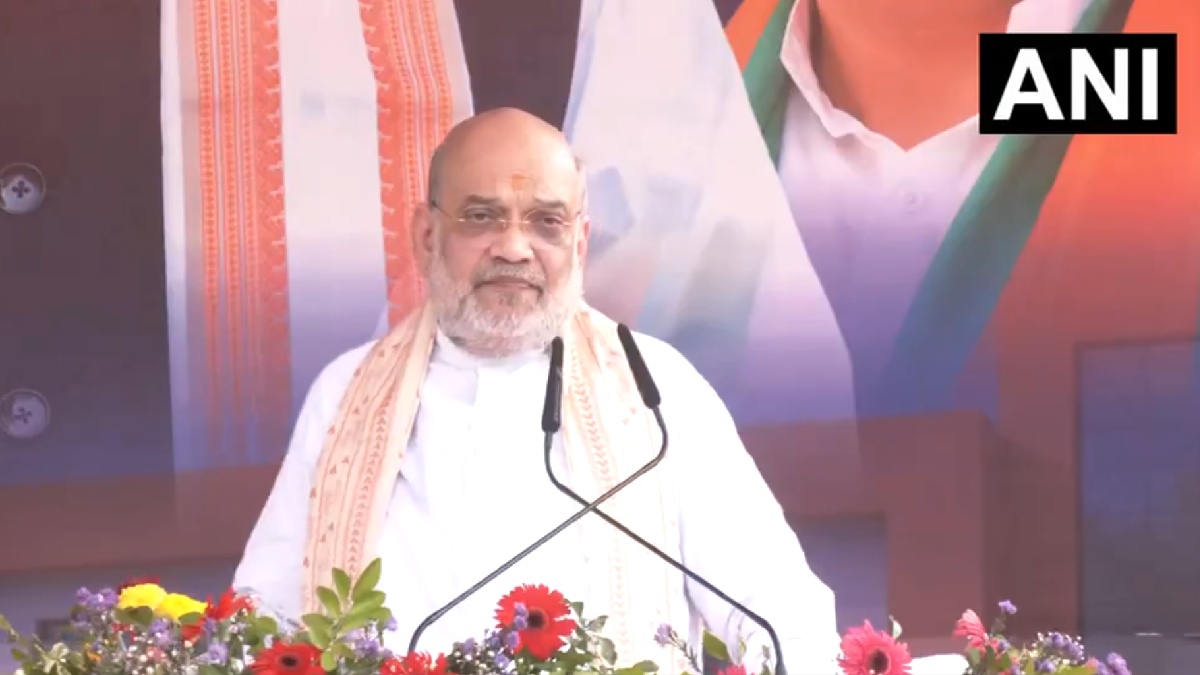
The government’s promise to rejuvenate the Yamuna by May 2029 places the focus on the solutions to these long-standing problems. Cleaning a river of the Yamuna's size and importance means more than getting the visible pollution off the surface.
It means addressing sewage treatment facilities so that wastewater is treated before it is discharged, the pollution in the waste-to-waste disposal systems from industries is controlled, and solid waste is not washed into the river. Successful implementation of those measures is needed in order to bring a real and long-term change in the river's condition.
One of the major problems in the Yamuna cleanup work is the sewage generated by urban areas. When raw sewage enters the river and is then treated improperly, pollution is raised and dissolved oxygen levels are cut off, adversely affecting aquatic life.
An additional sewage treatment network and upgrading of existing plants, and a more efficient treatment plant are critical for the Yamuna cleanup. And it is also necessary to build and maintain sewer networks for households and commercial facilities that connect them to the correct treatment facilities.
Industrial pollution is another major issue that needs to be kept under control and monitored. The industry in the river basin must comply with environmental standards, and authorities have to detect and prevent illegal discharges. Regular inspections, transparent monitoring systems, and enforcement of violations will result in better pollution control.
Coordination between the central and state governments, municipal authorities, and pollution control agencies will be very important because the Yamuna flows across administrative boundaries.
The May 2029 target also raises questions about how progress will be measured. Key indicators of the progress are water quality improvements, less sewage discharge in the system, better treatment plants, and restoration of river ecosystems.
Publicly available progress reports and regular water-quality evaluations would help the public to know if cleanup projects are making a tangible impact. It would also be nice to have a simple implementation plan, funding, and accountability for the agencies involved with the project.
A big step towards this goal, Amit Shah brought in projects valued at approximately ₹8,941 crore for the rejuvenation of the Yamuna in Delhi. Ten projects were inaugurated, and 33 more were initiated.
They will create new sewage treatment plants, upgrade existing facilities, expand sewer networks, and strengthen drainage infrastructure. The projects aim to lower the flow of untreated wastewater into the river and to improve the city's wastewater management system. Press Information Bureau
The projects have also included a major sewage treatment plant at Okhla and decentralized treatment plants. Better sewer connectivity is expected to ensure that wastewater from households reaches treatment plants instead of flowing directly into drains connected to the river.
A key part of the government has also identified coordination between the Centre and the governments of Delhi, Haryana, and Uttar Pradesh as a key element of its strategy. Since pollution can take place from multiple locations along the river's course, cooperation between these administrations will be vital to solve the problem. PTIFeed
Public participation in cleaning up will remain important for the long-term success of the cleanup programme, beyond infrastructure. Residents, businesses, and local institutions can play a role to the extent they can, dispose of waste in a responsible manner, avoid plastics and other materials in drains, and help to protect riverbanks.
Environmental experts have been stressing that pollution prevention and treatment and restoration can’t come at the expense of pollution control and treatment if the improvements are to last.
The May 2029 deadline is great, but the real test is whether the Yamuna's water quality is improving consistently and pollution levels decrease over the portion of the river that is impacted.
When construction projects are completed, they are only one side of the story; treatment facilities should work properly, sewage lines should function properly, and industrial discharge regulations should be enforced. Regular monitoring and transparent reporting will help to verify whether the river is getting cleaner in any measurable way.
For millions of people who have to live on the Yamuna in some way or another, a successful rejuvenation programme might bring about significant environmental and public benefits. Cleaner water, healthier river ecosystems, and enhanced urban sanitation would be the key to Delhi and the people living in the area of the river.
Amit Shah’s promise of May 2029 has been put on the front burner of the government’s timetable. If the ambition is to achieve it, it will have to be a timely project in coordination and continuous action against pollution sources.




Comments