Hotmail co-founder Sabeer Bhatia has suggested replacing electronic voting machines (EVMs) with secure digital voting applications, so artificial intelligence will be used to verify voter identities.
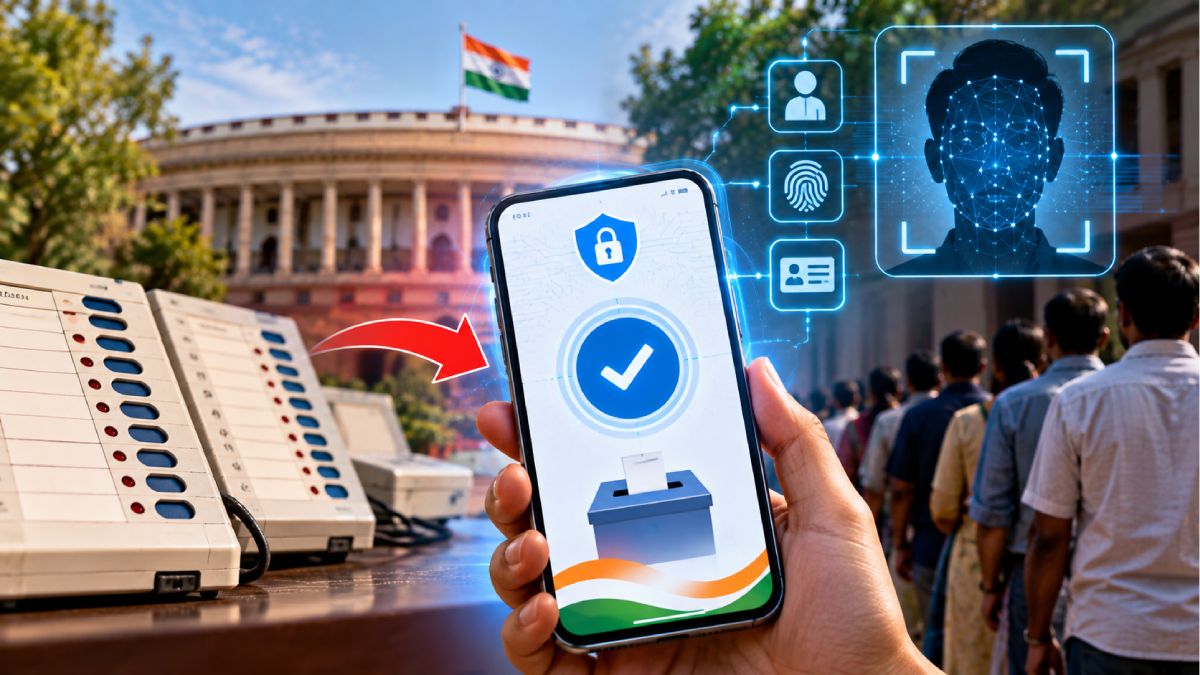
Bhatia expressed the idea in a post on X, where he presented a system in which voters would declare their identity and Indian citizenship before AI-assisted verification. He added that discrepancies uncovered in the verification process could also be flagged for human review.
The proposal is in response to ongoing public and political debate on India’s electoral system, EVMs, voter identification and the use of technology in elections. But Bhatia’s suggestion is only a proposal and does not change India’s voting system.
What did Sabeer Bhatia propose?
Bhatia suggested a digital system in which each voter would first declare their identity and citizenship. Then an AI-assisted system would verify the information and identify any discrepancies.
Instead of automatically rejecting a voter when a discrepancy is detected, Bhatia suggested that such cases could be sent for human review.
His goal is to establish a system based on what he described as one citizen having one verified identity.
The proposal would be a major change from the existing election process in India, which uses EVMs and Voter Verifiable Paper Audit Trail (VVPAT) systems for recording and verifying votes.
Bhatia has previously spoken about the possibility of digital voting. As NDTV Profit says: “India could develop a secure digital voting system and potentially turn the technology into a wider business opportunity."
However, moving from physical polling stations and EVMs to remote digital voting would involve many issues beyond voter identification: ballot secrecy, cybersecurity, authentication, accessibility and the ability to independently audit election results.
ECI's existing digital platform is different
The Election Commission of India has already been expanding its use of digital technology, but its existing digital initiatives should not be confused with Bhatia's proposed voting application.
The ECI's ECINET platform was designed as a single digital platform that aggregates more than 40 existing applications used by voters, election officials, political parties and other stakeholders. The Election Commission said the platform was intended to simplify access to electoral services and information.
ECINET is therefore a digital services and information platform. Its development does not amount to an announcement that the Election Commission plans to replace EVM-based voting with internet voting.
The existing EVM system has several stages of verification and safeguards. The ECI says the Indian EVMs consist of a Ballot Unit, Control Unit and VVPAT. The Commission also says the machines are standalone devices without wired or wireless connection outside the EVM system.
The ECI's current system also allows voters to verify the printed VVPAT slip displayed briefly after casting a vote.
Security And Accessibility Questions Remain
A voting application based on AI-assisted identity verification would have to contend with challenges different from physical voting machines.
One issue is access. A digital voting system would need to accommodate citizens who don’t own smartphones, have unreliable internet connections or have difficulty with digital authentication.
There would also be issues regarding protecting sensitive identity information. A system of voter records and AI-assisted verification would need to have strong protections to prevent unauthorized access, identity theft, and manipulation of personal data.
Another important issue would be ballot secrecy. A voting system needs to establish that a voter’s identity can be verified and that the person’s vote cannot be tied back to them later.
AI verification could also produce false matches or incorrectly flag legitimate voters. Any such system would therefore need a reliable human review mechanism and a process for resolving disputes without preventing eligible citizens from voting.
These questions do not establish that digital voting cannot work. They would need to be addressed by our technical, legal and administrative systems before any such system could replace existing election infrastructure.
What is the current position on EVMs?
Bhatia’s proposal does not change the existing legal or administrative framework governing elections in India.
The Election Commission continues to use EVMs with VVPATs. The ECI says the machines undergo multiple checks and that randomisation and other safeguards are used during the election process.
The Supreme Court has also dealt with the challenges of EVMs and VVPATs. In its April 2024 judgment, the court refused calls to return to paper ballots or require 100% verification of VVPAT slips and increased the number of EVMs where post-result verification is mandatory from one to five per Assembly constituency or Assembly segment in a Parliamentary constituency.
The court then discussed issues of verification, including the ECI's technical procedure for checking EVM units.
This means that Bhatia's suggestion should be understood as an individual recommendation for a different electoral technology model and not as an official government or Election Commission plan.
A transition to app-based voting would require decisions on legislation, election procedures, cybersecurity standards, voter accessibility, identity verification, auditability, and ballot secrecy.
For now, India's elections still use the current EVM and VVPAT system, and digital technology is used in different aspects of elections and other such services. Therefore, Bhatia's proposal has added another technology-based perspective to the discourse on how the electoral system in India can evolve in the future.