
A storm accompanied by extremely strong winds and heavy rain has destroyed thousands of homes in southern Brazil, killing at least three people and damaging or destroying thousands more. The devastating weather event hit the municipality of Tupancireta in Rio Grande do Sul state early Friday morning (Nov 20) with wind speeds over 100 kilometres per hour.
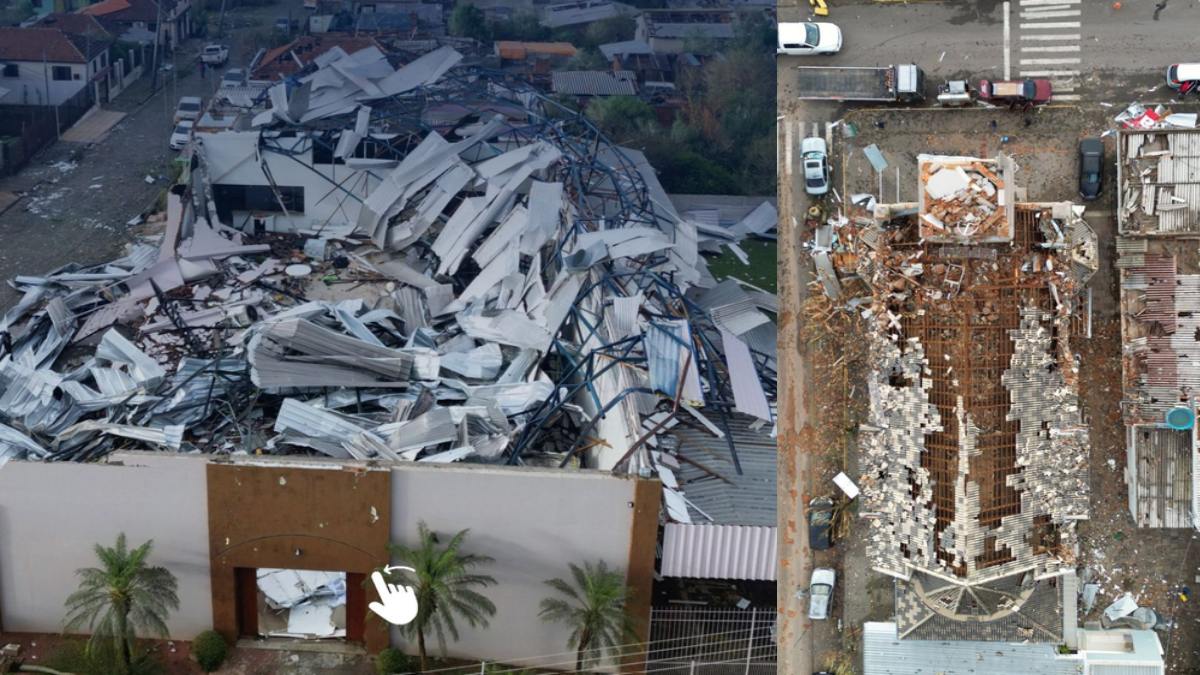
Initial reports said some 5,000 homes were destroyed and emergency teams were rushing to the areas to rescue survivors, help injured residents and assess the damage. Essential services have been disrupted, public infrastructure damaged, and several neighbourhoods are still struggling to recover from the storm.
The storm hit Tupancireta at 3 am when most people were already in bed. The municipality (population about 20,000) received heavy rain and strong winds that tore roofs off buildings, damaged houses and uprooted about 100 trees. Several streets were covered with fallen trees and debris, so emergency vehicles couldn’t get to the affected areas.
It was reported that the storm lasted less than an hour, but it was devastating. Brazilian meteorologists measured wind speeds of up to 114 kilometres per hour (70 miles per hour). That sudden intensity gave residents little time to prepare as buildings and other structures were badly damaged.
The state government of Rio Grande do Sul said three people had been found dead after the disaster, but authorities were not sure all the deaths were directly linked to the storm. Emergency and rescue teams continued to probe the circumstances of the deaths and search through damaged buildings, as well as fears for residents in areas where buildings suffered severe structural damage; local authorities are trying to identify affected families and help people who have lost their homes or been injured. The full extent of casualties and property losses will become clearer as assessment operations continue.
One of the most damaged facilities was the local hospital, which also suffered major damage after strong winds tore off its roof. Fallen trees blocked access roads and surrounded the hospital so emergency vehicles and medical personnel couldn’t get there.
#IGR: A powerful storm tore through southern Brazil, killing three people and destroying around 5,000 homes. With winds reaching 114 kmph, the storm damaged hospitals, uprooted trees and disrupted power and water supplies. Authorities are investigating a possible tornado as emergency teams step up relief efforts.
— India Global Review (@IGR_Media) November 21, 2026
Tupancireta Mayor Gustavo Herter said 11 patients had to be transferred elsewhere because of the damage. He said it was unprecedented destruction and that it looked like a scene from a movie; he also said road connectivity in town had been severely affected by fallen trees and damaged infrastructure. Electricity and water were cut off for the municipality following the storm, complicating rescue and relief efforts.
The damage from the severe weather was not limited to Tupancireta; at least 32 other municipalities in Rio Grande do Sul also reported wind damage and heavy rainfall. Several areas had fallen trees, damaged buildings and disruption of public services.
Brazilian Civil Defence called the weather system a supercell (a very violent thunderstorm with intense atmospheric activity and potentially destructive winds). Authorities have not ruled out that a tornado may have hit the municipality, but meteorological assessments are still needed to identify what kind of weather event caused the destruction.
After the disaster, Brazilian President Luiz Inácio Lula da Silva ordered emergency response teams to be sent to the region. Government officials have been coordinating relief operations to help residents, assess damage to infrastructure and support families affected by the destruction; state officials have allocated about 330,000 local currency for emergency response and relief measures.
Civil Defence teams are working with local authorities to assess damaged properties, clear blocked roads and ensure affected communities receive assistance. The government is monitoring rescue and recovery operations across the region as well.
The strong storm has shown again how vulnerable communities in southern Brazil are to extreme weather: storms, tornadoes and other severe weather events have caused casualties and extensive damage in the past. Now Tupancireta residents have to recover from the destruction, restore electricity and water supplies and find shelter for families whose homes were damaged.
Authorities are assessing what happened, and emergency teams are still working on relief operations, but with thousands of houses destroyed and essential infrastructure damaged, recovery will need state and federal support.





Comments