
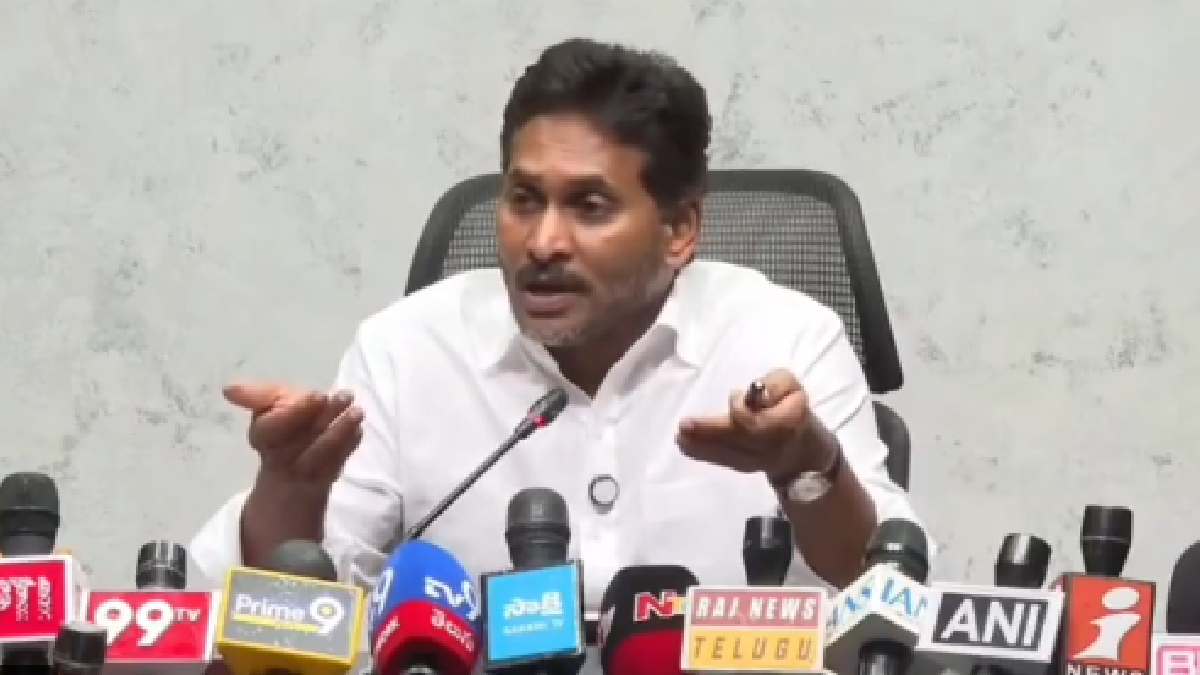
YS Jagan Mohan Reddy, YSR Congress Party (YSRCP) chief and former Andhra Pradesh Chief Minister, has reportedly expressed regret for the party’s acceptance of the 2023 law which makes it possible for the appointment of Chief Election Commissioner (CEC) and other Election Commissioners and what it means for the Election Commission of India (ECI) to be independent and for the powers of appointing top officials in the country to be exercised.
The statement, “An examiner can’t be appointed by a student,” speaks to the central concern about the appointment process: whether those being evaluated in an election should have a decisive influence over the authority responsible for conducting it.
The Election Commission plays a vital role in India’s democracy. It is responsible for elections to Parliament, state legislatures and the President and Vice-President. Such independence is necessary to preserve public trust in the electoral process.
The Chief Election Commissioner and other Election Commissioners are appointed under a legal framework established by Parliament.
The 2023 law introduced a selection committee, with the Prime Minister and a Union Cabinet Minister nominated by the Prime Minister as the Chairman of Parliament, and the Leader of the Opposition in Lok Sabha or the Leader of the largest opposition party as required.
This arrangement followed a major Supreme Court decision in March 2023. The court had ordered that appointments be made on the recommendation of a committee consisting of the Prime Minister, the Leader of the Opposition in Lok Sabha and the Chief Justice of India until Parliament enacted a law on the subject.
The Chief Justice of India was replaced by a Union Cabinet Minister nominated by the Prime Minister. Critics argued that this change gave the government greater influence over appointments and could raise questions about the independence of the Election Commission.
The government has maintained that Parliament has the power to set up the appointment mechanism through legislation. So much of the debate has been about the balance between constitutional principles, parliamentary mandate and the need for an impartial election administration.
Jagan Reddy’s confession of regret is significant because it raises questions about the political support the legislation received when it was introduced. It also demonstrates how parties’ positions on institutional reforms can have to be re-examined as political conditions change.
But his comments should be seen in the context of the larger debate rather than as a final determination of the law’s constitutional validity. The appointment process, the composition of the selection committee and the independence of the selection committee are issues that remain to be discussed both in public and in law.
So it goes beyond political parties. A credible electoral system would be based on voters believing that elections are being conducted fairly and that the authority that oversees them is independent of the government of the day.
In the process of appointing Election Commissioners, the 2023 law is still a topic of debate in India’s democratic systems. Jagan Reddy’s comments have once again raised the question of who should select the officials responsible for ensuring free and fair elections.







Comments
Leave a Comment