
Politics over patriotism, national security and political protests have once again brought up concerns about the role of Indians living abroad in discussions about the country’s future.
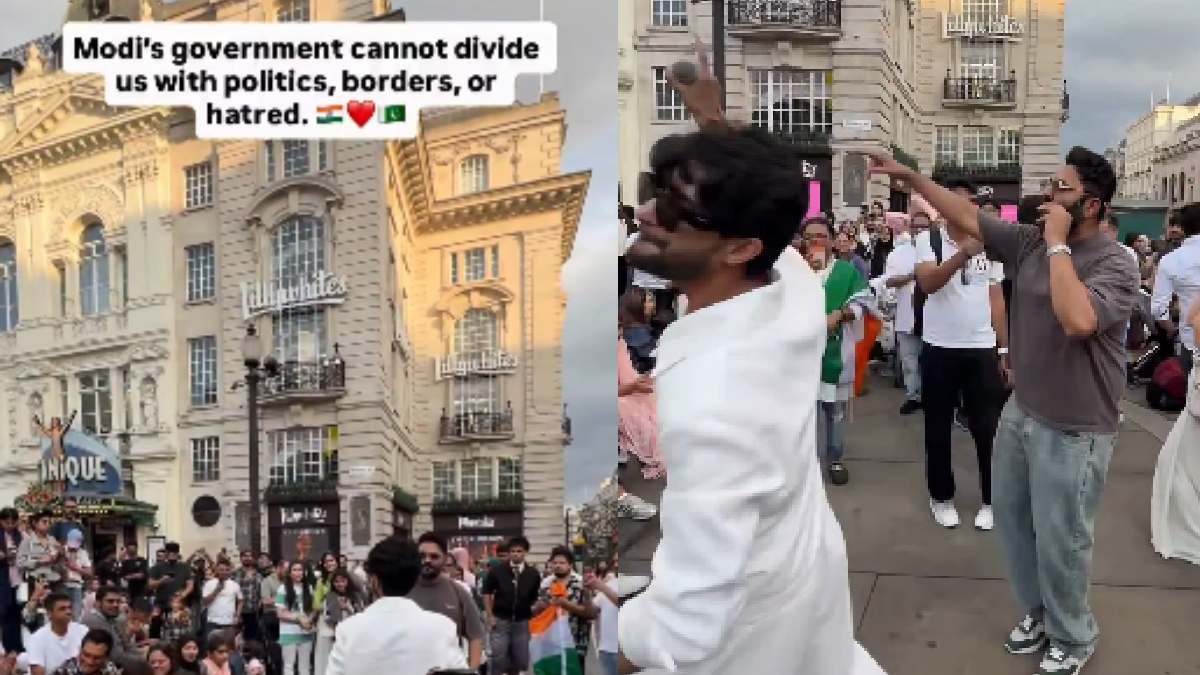
Critics say demonstrations held overseas do not adequately reflect the security concerns facing Indian citizens at home; families affected by terrorism and soldiers working along the country’s borders.
What is patriotism
For many Indians, the sacrifices made by the armed forces are at the heart of national loyalty. Soldiers who spend their lives in the border areas are in difficult circumstances and have to protect the country. And their families live with the uncertainty that comes with military service; a day like this can be a day of utter loss.
In such an environment, protests by Indians overseas can be criticized by those who believe that political activism must also recognise the dangers security personnel and civilians in India face.
The argument is particularly sharp if demonstrations are directed at Prime Minister Narendra Modi’s government, national security or India’s relationship with Pakistan. Critics of such protests question whether people who take part from the comfort of foreign cities really understand the danger of terrorism and cross-border violence to families living in India.
They claim that political opposition should not overlook the sacrifices of soldiers and the trauma of families who lose loved ones in attacks. For them, patriotism is not just slogans, public demonstrations or criticism of political leaders.
But we also have to consider a basic democratic principle: Indian citizens don’t lose their right to express political opinions just because they live abroad. Peaceful protest, criticism of the government and demands for accountability are not equivalent to backing for terrorism.
RIDING on their LAPS abroad, while families back home live under the shadow of Pakistan-sponsored terror. > What exactly are these protesters trying to prove? When the next attack strikes, will they stand at the border and face the bullets? When Indian soldiers die, will they console their families? Or will they return to their comfortable lives abroad and demand answers from Modi? PATRIOTISM is easy when someone else pays the price. https://t.co/cYxTmztnT5
— The Analyzer (News Updates🗞️) (@Indian_Analyzer) October 18, 2026
The meaning of any demonstration should be assessed in terms of the demands, conduct and evidence at hand rather than based on assumptions about the people doing it.
And in a way, disagreement with the government does not mean that we do not respect the armed forces. Citizens can honour soldiers but also question government decisions, even when dealing with national security, diplomacy and public policy.
At the same time, critics of the overseas demonstrations argue that political messaging must recognize the human cost of terrorism. Families who lose relatives in attacks can’t just go back to ordinary life and military personnel still have responsibilities that most protesters will never experience directly.
The challenge is to maintain a public debate that respects both national security concerns and democratic freedoms. Patriotism can mean aiding the armed forces, demanding effective action against terrorism, helping impacted families, and holding elected representatives accountable.
The strongest manifestation of national commitment is not only location. It is in the seriousness of their concerns, their respect for human life, their willingness to talk about things and their contribution to the country’s well-being.
It is not easy to understand why the sacrifices of Indian soldiers and the anguish of terror-affected families should not become mere instruments in political disputes.
National security is worth talking about and democratic disagreement needs to be considered and exercised in a responsible manner.





Comments
Leave a Comment