
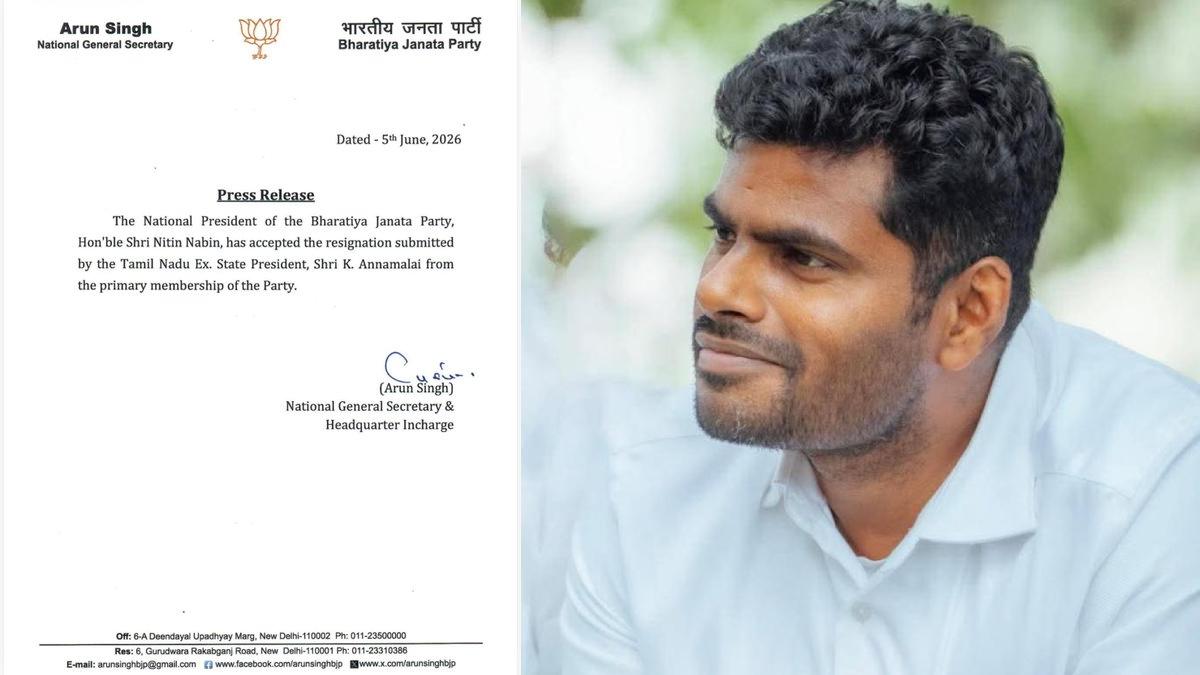
K Annamalai, former president of Tamil Nadu BJP, has criticised the Union government for the Delhi Police’s actions against Cockroach Janta Party (CJP) leaders, while also raising the question on preventive detention, due process and the right to protest.
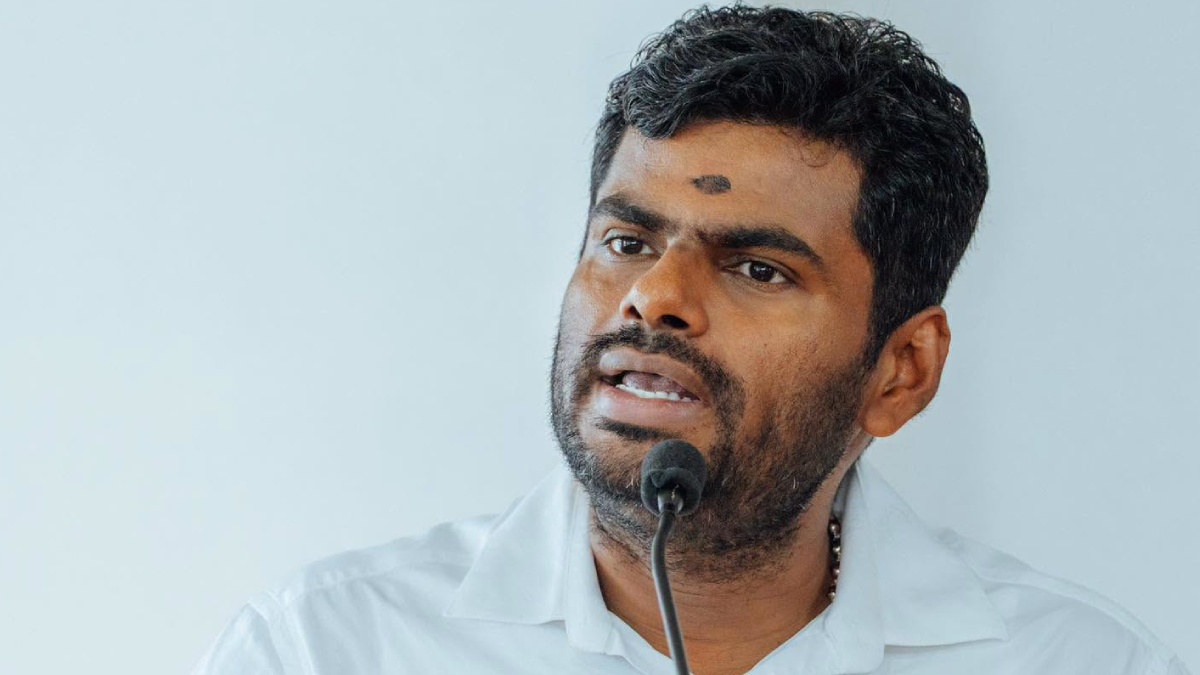
In a series of posts on social media on 21 October 2026, Annamalai said people who questioned procedural violations in a democracy should not be accused of being anti-national or having links to foreign forces, and it was wrong to make charges against the government of Delhi in relation to the national capital.
Annamalai has also been critical of the detention of CJP officials following protests in New Delhi. When it comes to the protests, he questioned whether authorities made legal arrangements to keep demonstrations out of court and to jail protesters.
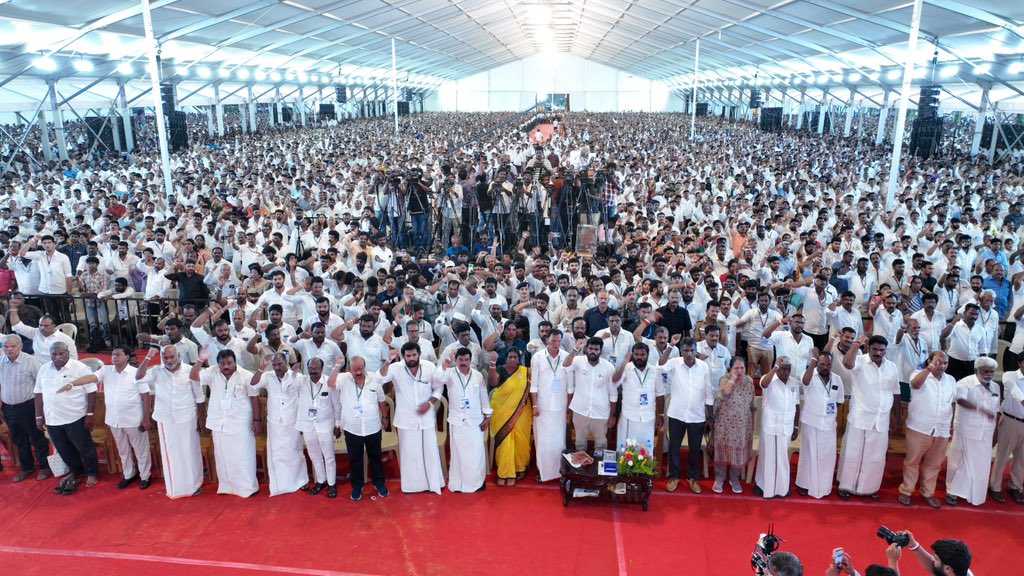
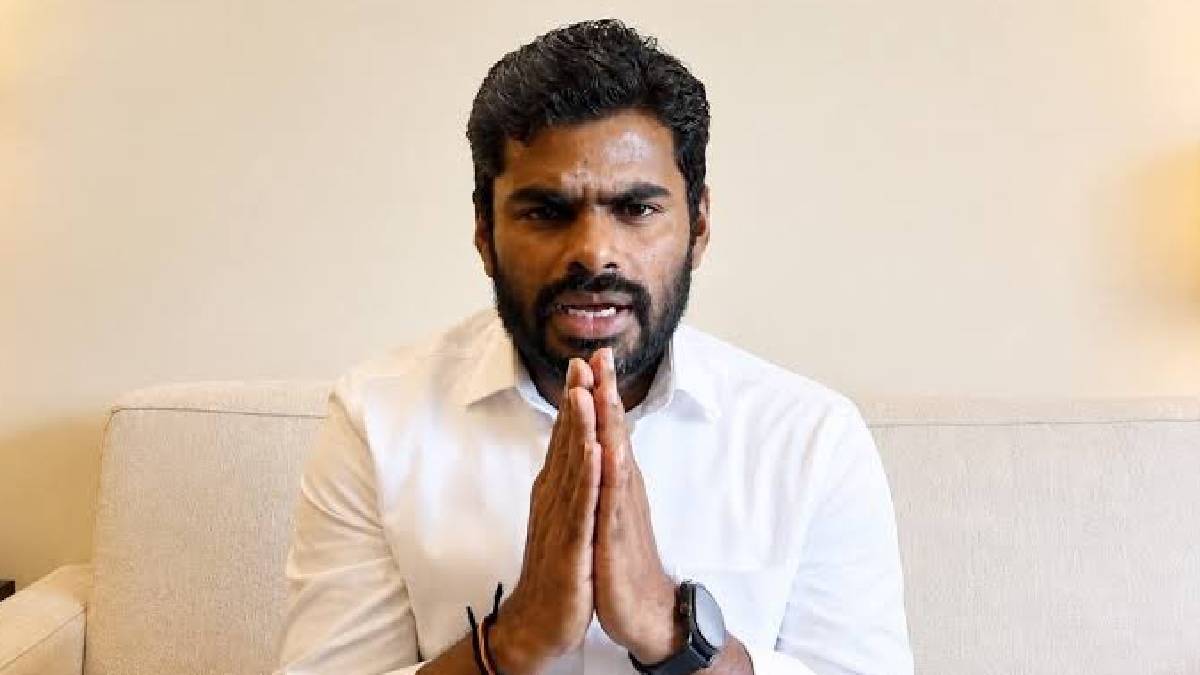
Modi's earlier comments made in 2011, when he was Chief Minister of Gujarat, were in opposition to a police crackdown on a campaign to curb corruption in Delhi's Ramlila Maidan. Annamalai said he thought Modi's stance was justified and that the principles of the time would also be relevant if we now evaluate how we treat protesters.
The former BJP leader also questioned why Jantar Mantar was removed as a protest-site, the role of police officers as Special Executive Magistrates and bail-related proceedings of CJP members arrested on October 13. He asked for an explanation of the decision to reject eight sureties and questioned the conduct of police during protests related to the NEET. These are questions that would need to be answered by the authorities, and the allegations have not been independently established in the reports cited.
Annamalai said legal procedures and safeguards must be considered carefully whenever questions about the treatment of demonstrators come up.
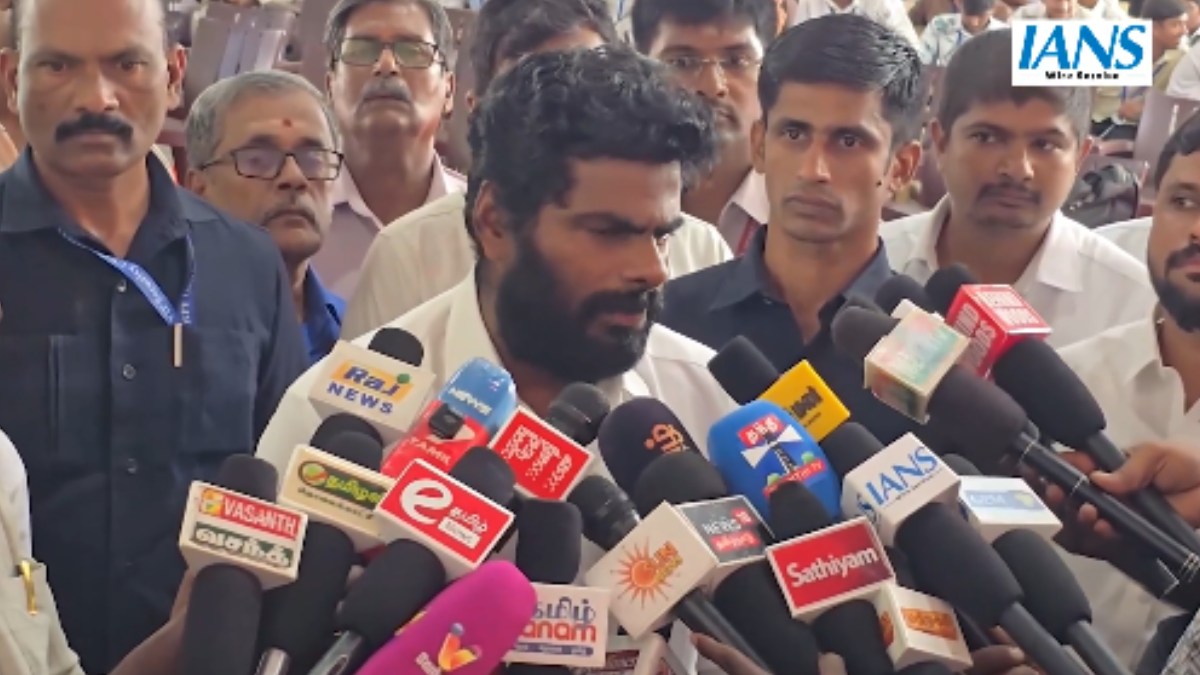
Annamalai also made clear that his support for the group’s right to protest did not mean that he supported all of its tactics. He said he disagreed with some CJP tactics and some of its methods were misguided. But he argued that citizens and organisations should be allowed to oppose government decisions, raise concerns and advocate for causes they hold to be important. “What if the government addresses the substance of the questions instead of whataboutism or branding critics as supporters of foreign interests?” He also argued that allegations about individual officials should not automatically be used to discredit democratic institutions as a whole, but that specific concerns should be taken into account.
His comments also brought to light a larger dispute about the limits of political protest and the authority of law enforcement. The authorities may have to police demonstrations for legal, security, traffic or public order reasons but the reasons for that and the procedure can be subject to public and judicial inspection. Annamalai wondered whether the CJP demonstrators were treated in a manner that would be at all appropriate for those belonging to other political parties in past years. He also claimed that the government’s critics are increasingly being portrayed as anti-national or as being funded by foreign forces.
The BJP immediately reacted to Annamalai's criticism. Party chief spokesperson Narayanan Thirupathy of Tamil Nadu accused Annamalai of changing his position on Special Intensive Revision (SIR) of electoral rolls after he left the BJP.
Thirupathy said Annamalai had already defended the revision exercise and argued that fake voters needed to be removed and criticised the opposition DMK for questioning the process. The BJP spokesperson also pushed back on Annamalai's criticism of the police, arguing demonstrations should be evaluated on the basis of whether the protestors had complied with laws and rules. The party's response shifted the lines of argument from Annamalai's political orientation to his earlier public positions.
Annamalai, who resigned from the BJP on 5 June 2026, rejected the notion that his criticism should be seen from the perspective of party allegiance. He noted that his position was based on the principle that democratic rights should be respected even when a protest movement’s methods are disputed. He also wondered whether the BJP’s public criticism of CJP was giving the organisation more visibility rather than diminishing it.
The exchange has made the political fallout surrounding the arrests more visible, the powers of the authorities during their preventive detention proceedings and due process clear. The main questions that Annamalai has raised in the past, and which are central to the larger debate about dissent, public order and accountability in India’s democracy, are not going to disappear.




Comments
Leave a Comment