
Weather officials are keeping a close watch on the low pressure system which is developing over southeast Bay of Bengal and may intensify in the next few days. The India Meteorological Department (IMD) has predicted widespread rainfall over Andaman and Nicobar Islands and heavy rainfall in parts of Tamil Nadu and Kerala later in November also.
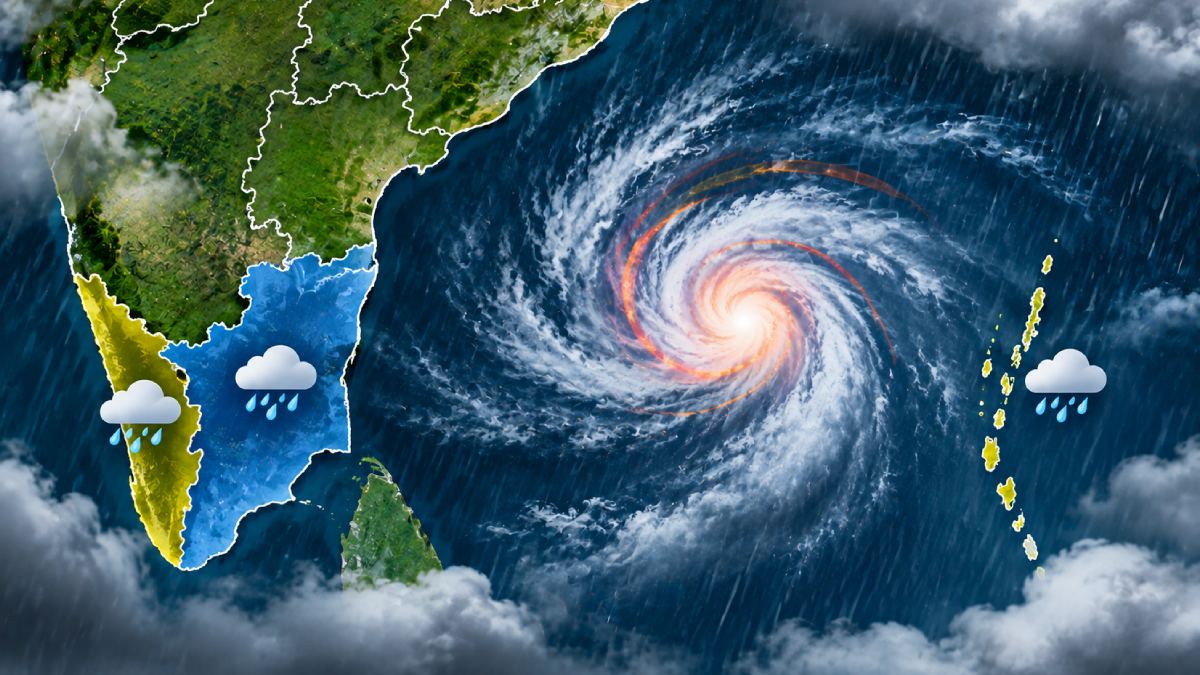
The developing system developed on 13 November 2026 under an upper air cyclonic circulation over central Andaman Sea and adjoining areas. It is likely to move northwestwards and intensify into a well marked low pressure area before developing into depression.
The IMD’s latest sea-area bulletin says that the system may intensify further into a cyclonic storm over central Bay of Bengal around November 16 but its movement and impact depend on atmospheric conditions.
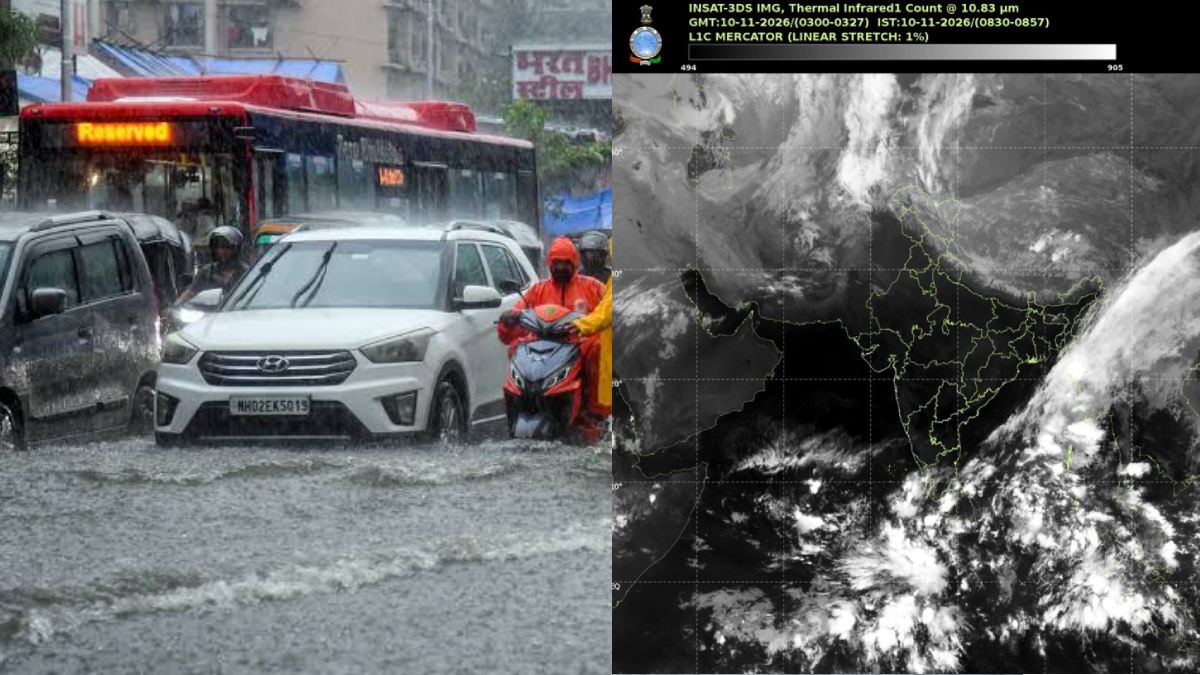
Meanwhile, the Philippines is also keeping an eye out for another tropical cyclone entering its area of responsibility. The next system to enter Philippine Area of Responsibility (PAR) will be given local name Tomas.
Low-Pressure Area Forms Over Southeast Bay of Bengal
As per IMD, a low-pressure area developed over the southeast Bay of Bengal around 5:30 am on November 13.
The system developed under the influence of an upper-air cyclonic circulation over the central Andaman Sea and adjoining Andaman and Nicobar Islands.
The weather system is expected to develop as follows:
- 13 November: A low pressure area developed over southeast Bay of Bengal.
- November 14: The system is likely to become a well-marked low pressure area.
- November 15: It is expected to intensify into depression over the central parts of south Bay of Bengal.
- 16 November: IMD sea-area bulletin says further intensification into cyclonic storm over the central Bay of Bengal is possible.
The system is then expected to move northwestwards and north-northwestwards. Its eventual track and intensity will determine where heavy rainfall and strong winds could occur.
Andaman and Nicobar Islands Face Rainfall Alert
The Andaman and Nicobar Islands are likely to see widespread rainfall activity as the weather system moves over the Bay of Bengal.
The IMD extended range forecast shows fairly widespread to widespread rainfall across the islands from November 12 to November 18.
Isolated heavy rainfall is also likely during November 12 to 16.
Residents, tourists and people involved in maritime activities should be alert to changing weather conditions. Travellers coming to the islands should check official weather bulletins and see if ferry services or other transport arrangements may change.
Tamil Nadu and Kerala May Experience Heavy Rainfall
The system developing could also affect rainfall in southern India (Tamil Nadu and Kerala).
IMD’s extended range forecast for November 19 to 25 indicates isolated heavy rainfall over parts of Tamil Nadu and Kerala on some days.
The rainfall will be determined by the eventual track and landfall area of the cyclonic system.
The exact districts where the heaviest rainfall will fall will become clearer as the weather system develops and IMD issues updated forecasts.
Residents of coastal areas should heed official weather advisories (e.g., if strong winds, rough seas or heavy rainfall are forecast).
IMD Issues Warnings for Fishermen
The weather system will also affect sea conditions in parts of the Bay of Bengal and Andaman Sea.
The IMD has warned of squally weather and rough sea conditions in the affected areas.
Fishermen have been asked not to venture into Andaman Sea and southeast Bay of Bengal during the warning period. Restrictions also apply to parts of southwest and central Bay of Bengal as system moves and intensifies.
Wind speeds could increase across these regions, so fishing and other maritime activities could be dangerous.
Fishermen and coastal communities should follow the bulletins issued by IMD and local authorities before any sea-related activities.
Philippines Monitors Possibility of Another Tropical Cyclone Named Tomas
Along with India’s weather system developing, the Philippines is preparing for possible tropical cyclone activity as well.
PAGASA has said that at least one more tropical cyclone may enter the Philippine Area of Responsibility before the end of 2026.
The next tropical cyclone to enter the monitoring area will be given the local name Tomas according to PAGASA.
But that doesn’t mean a storm named Tomas is already on its way or expected to make landfall in the Philippines. Its name will be assigned when and if the next qualifying tropical cyclone enters the country’s monitoring area.
PAGASA also said that just because another cyclone can enter the region doesn’t mean it will directly affect the Philippines.
What Residents and Travellers Should Keep in Mind
As the Bay of Bengal system develops people in potentially affected areas should take basic precautions and stay informed about changing weather conditions.
Important precautions include:
- Follow the latest IMD rainfall and cyclone bulletins.
- Fishermen should strictly adhere to restrictions on entering warned sea areas.
- Visitors to Andaman and Nicobar Islands should check ferry and flight updates.
- Don’t go to beaches or coastal areas if the sea is rough.
- Have emergency supplies and essential medicines ready if heavy rain is expected.
- Follow instructions issued by local disaster management authorities.
Conclusion
A low-pressure area has developed over the southeast Bay of Bengal and weather officials are on alert as the system is expected to strengthen in the days ahead.
The Andaman and Nicobar Islands are likely to witness widespread rainfall while Tamil Nadu and Kerala may have isolated heavy showers during the period from November 19 to 25.
Although the IMD has suggested cyclonic storm development, there is no certainty as to where and when the system will track or land.
At the same time, the Philippines is monitoring whether another tropical cyclone could enter its area of responsibility (which would be given the local name Tomas). Residents and travelers across affected areas should continue to follow official weather updates as things develop.





Comments