
The worsening water crisis in Maharashtra’s Beed district has put rural communities’ safety and survival at risk. An elderly farmer fell into a nearly 50-foot deep well while trying to fetch water in Ladwadgaon village.
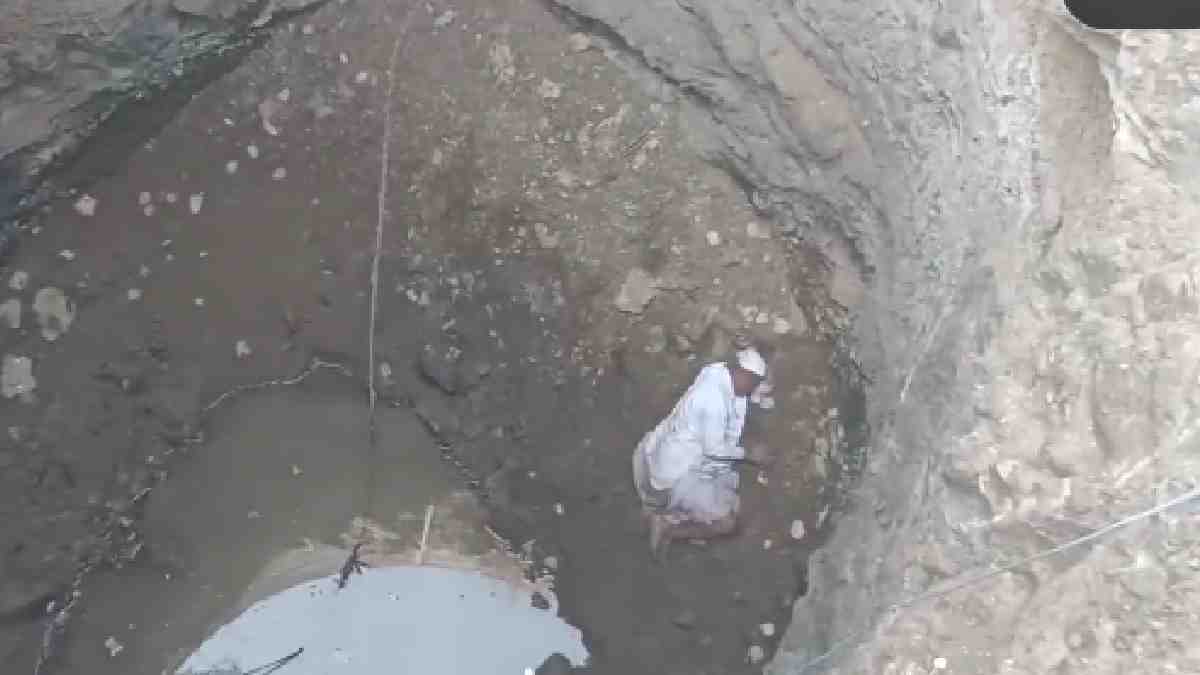
The farmer suffered serious injuries in the fall and was rushed to Government Hospital Ambajogai where he is being treated. His identity and medical condition are yet to be confirmed.
The incident has again highlighted how villagers cannot even get drinking water. Water sources are drying up and groundwater levels are falling too so people are taking risks to get their daily water needs met.
Beed's Growing Water Crisis
Beed district in Maharashtra’s drought-prone Marathwada region has been facing an increasingly difficult water situation due to insufficient rainfall and prolonged dry spell.
Several villages are running out of water as wells and reservoirs and other traditional sources continue to lose water levels. Farmers and rural households are worst hit because groundwater is used for drinking, household activities and agriculture.
Reports in recent days have stressed the gravity of the situation. In an October 2026 report Beed had 205 government water tankers running against growing scarcity (one of worst-hit districts in Maharashtra).
The shortage has also affected agriculture. Farmers cannot protect their crops, arrange drinking water for livestock or meet household needs.
Why Are Villagers Risking Their Lives for Water
When nearby water sources dry up villagers have few options. Some travel long distances or go deep wells to collect water for their families.
As water levels drop, drawing water from wells becomes more dangerous the depth of the well, slippery surroundings and difficulty reaching the remaining water increase the risk of accidental falls.
बीडमधील केज तालुक्यातील लाडेवडगाव येथे विहिरीवर पाणी आणण्यासाठी गेलेले रतन घुगे हे वृद्ध शेतकरी तोल जाऊन ५० फूट खोल विहिरीत कोसळल्याची घटना काल दुपारी १२:३० वाजण्याच्या सुमारास घडली. शेतकरी पाण्याच्या एका एका थेंबासाठी तरसत आहे. जीव धोक्यात घालून पाणी काढत आहे #महाराष्ट्र #बीड https://t.co/iqGRoBEJ3Y
— Mahesh Andhale Official (@OfficialAndhal1) November 20, 2026
The incident in Ladwadgaon shows how an everyday necessity like collecting drinking water can become a serious safety issue for rural people.
What Needs to Be Done
This incident questions whether emergency water supplies are available and how safety is being ensured in drought affected villages.
Authorities need to increase tanker water distribution; identify villages in which there is critical shortage and ensure that residents have safe drinking water close to their homes.
Safety arrangements around deep and partially dried wells are also important to prevent similar accidents. Temporary barriers, warning signs and alternative water collection facilities could help reduce the risk.
A Larger Humanitarian Concern
The incident in Ladwadgaon is a reminder that water scarcity is not an agricultural or environmental problem. It affects people’s health, safety and everyday survival too.
For villagers in drought areas clean drinking water is still an urgent need. Intervention now and long term water conservation measures are needed to prevent communities from going through such dangerous situations again.
As Beed continues to fight water scarcity, the priority must be that no resident has to risk his life bringing home water.



Comments