
Bottled water brand Bisleri International is facing prosecution after two laboratories said a sample of packaged drinking water from the company was unsafe — raising fresh concerns over food safety and quality standards in India. Food Safety and Standards Authority of India (FSSAI) has approved prosecution against the company under the Food Safety and Standards Act, 2006, based on two separate laboratory reports.
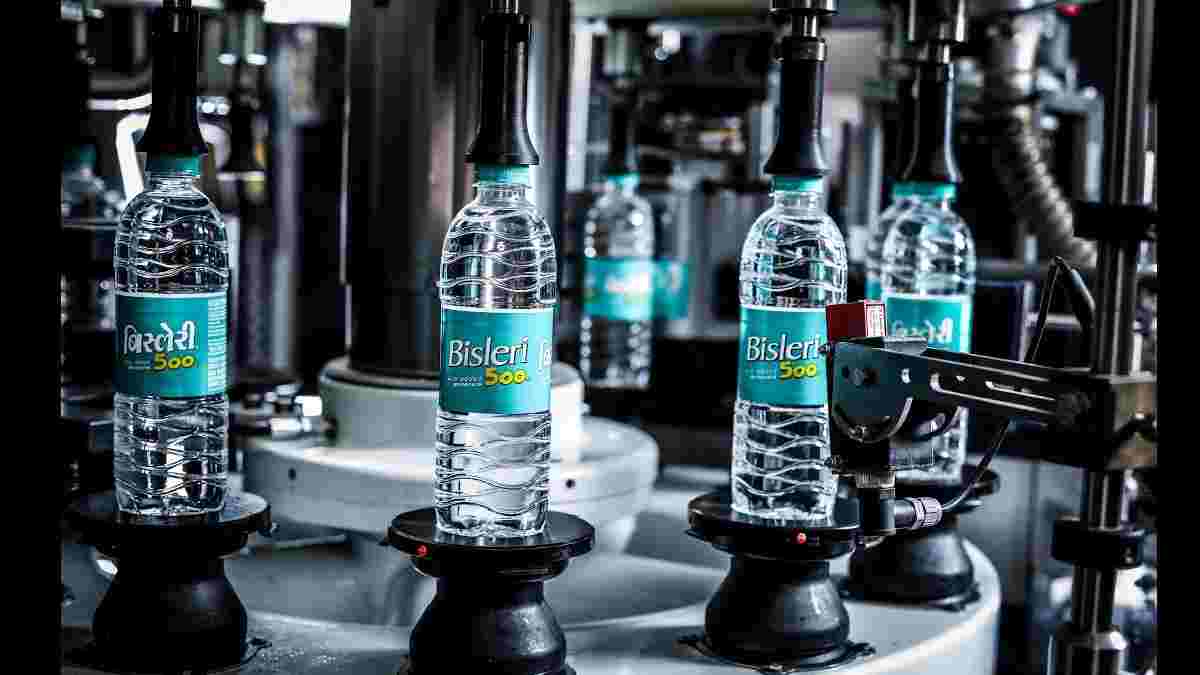
The news has raised questions about the quality and safety of packaged drinking water sold in the Indian market. The first laboratory test showed that the water sample did not meet bromate limits prescribed by law. When the company appealed against the result, another lab tested it again and declared the sample unsafe as well because polynuclear aromatic hydrocarbons (PAHs) were detected.
The FSSAI sanctioned prosecution under the Food Safety and Standards Act, 2006 against Bisleri International Private Limited.
First Laboratory Detects Bromate Limit Violation
Food safety officials took a regulatory sample of packaged drinking water from Bisleri International Pvt Ltd premises for laboratory testing.
The sample was packaged drinking water other than mineral water. In the initial examination of the sample by the laboratory, it was found that it did not meet the limits for bromate, so it was classified as unsafe under the Food Safety and Standards Act, 2006.
Bromate is a chemical compound that may be linked to drinking water contamination. It’s regulated because too much exposure can have health risks.
After the laboratory report, food safety authorities started a regulatory process against the company.
Second Laboratory Confirms Unsafe Findings
Bisleri International had the right to appeal the initial laboratory results. As part of this process, the sample was sent to a referral food laboratory for further testing.
However, the second lab also said the sample was unsafe. This time the test found polynuclear aromatic hydrocarbons (PAHs), a class of chemicals that include substances associated with health risks.
The results from both labs strengthened the regulator’s case so much that FSSAI approved prosecution of Bisleri International under 2006 food safety legislation.
FSSAI Grants Sanction for Prosecution
FSSAI said in its statement that “the regulatory sample did not meet bromate limits prescribed during the initial analysis”. It also confirmed that PAHs were detected by the referral laboratory after an appeal from the company.
The regulator said the laboratory findings “showed violations of unsafe food under the Food Safety and Standards Act, 2006”.
On the basis of the findings, sanction was given to prosecute Bisleri International Pvt Ltd.
This is a big regulatory action against one of India’s most famous packaged drinking water brands. But the prosecution sanction is only the beginning of legal proceedings and should not be taken as a court conviction.
FSSAI SANCTIONS PROSECUTION AGAINST BISLERI! A water sample collected from #Bisleri premises was declared unsafe after exceeding prescribed bromate limits. Even the referral lab found PAHs after the company appealed. @fssaiindia has approved prosecution under #FoodSafety Act. https://t.co/nWmUV7MfPT
— Subhankar Bera (@subhankar_org) November 22, 2026
FSSAI Orders Recall of Chocolate-Filled Cookies
In another enforcement action, FSSAI directed Asha Confectionery to immediately recall an entire batch of packaged chocolate-filled cookies after laboratory testing showed multiple violations.
The laboratory found carmine (a colouring agent not declared on the label) and tartrazine in excess of permitted levels.
In addition, the test revealed Sunset Yellow FCF (colouring agent), which is not permitted in this product category under food safety regulations.
Based on these findings, FSSAI classified the cookies as misbranded, substandard and unsafe.
Food Safety Enforcement Measures Under Scrutiny
The action against Bisleri and the cookie recall show that the regulator is continuing to enforce food quality and safety requirements across the packaged food and beverage industry.
FSSAI can order recalls of food businesses that do not comply with prescribed safety standards, suspend licences where violations are established, and prosecute where violations are found.
The latest news also reminds us of the need for laboratory testing, correct product labelling, and compliance with permitted chemical limits and colouring-agent limits.
For consumers, the results are a reminder to pay attention to food safety information and regulatory updates on packaged drinking water and processed food products.




Comments