
Bisleri International has strongly denied that its packaged drinking water did not comply with safety standards, and an independent laboratory retest showed that the disputed water sample was within permissible limits for bromate.
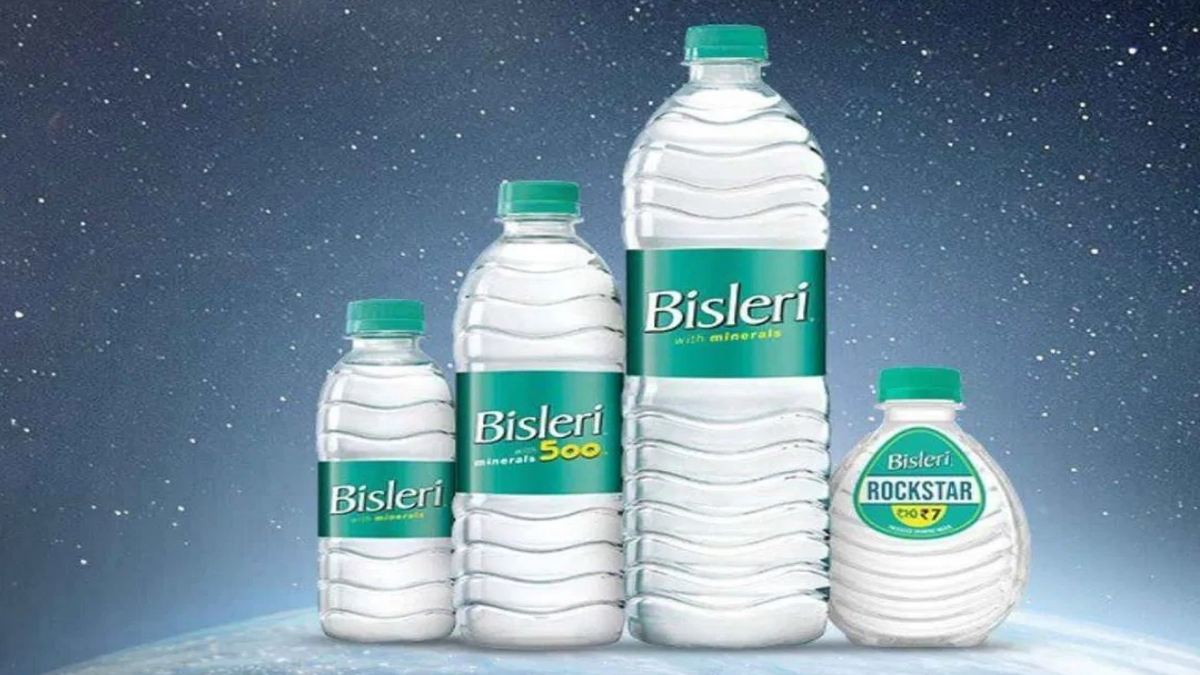
The company’s clarification comes after the Food Safety and Standards Authority of India (FSSAI) reportedly sanctioned prosecution against the packaged drinking water manufacturer under the Food Safety and Standards Act, 2006. The controversy relates to a water sample collected from the company’s manufacturing facility in Goa in September 2025.
First laboratory examination showed bromate above the prescribed limit, but Bisleri says later testing gave a different result. It also said it had submitted the findings of the independent laboratory to the food safety regulator earlier this year, but no further communication came.
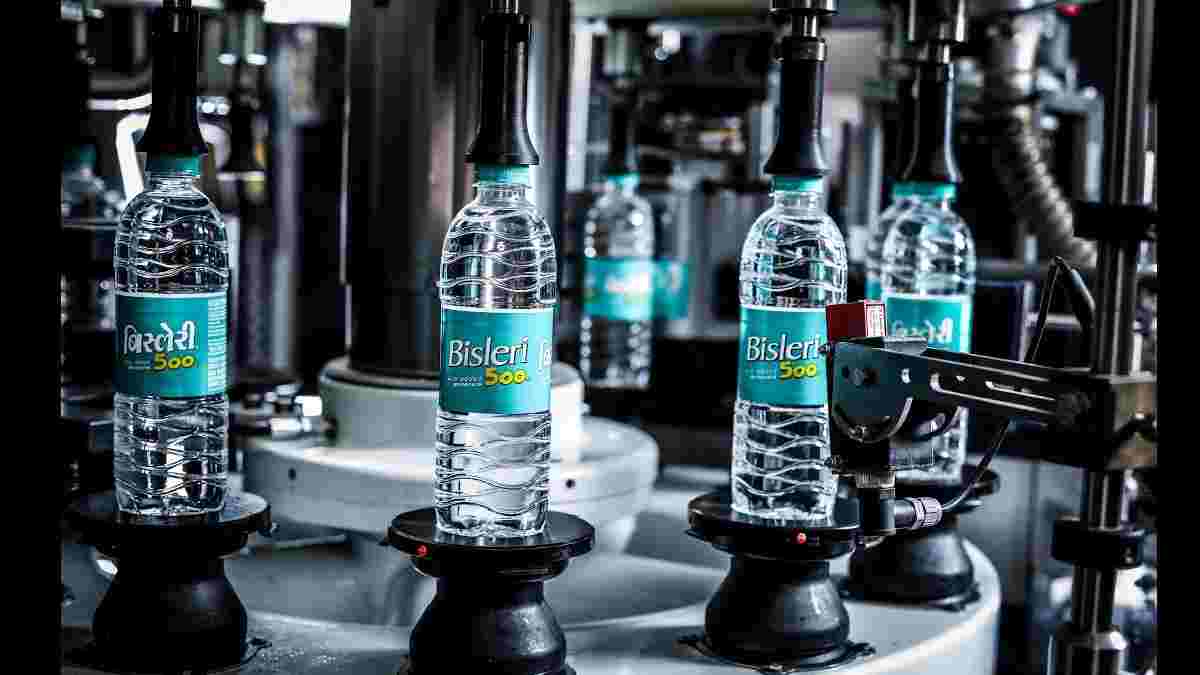
Bisleri said the matter began on September 30, 2025, when FSSAI officials collected six water samples from its Goa manufacturing plant. Five of the six samples were said to have been found to comply with quality and safety standards, but the sixth sample reportedly showed bromate levels of 12 micrograms per litre (the maximum limit is 10 micrograms per litre).
This was what raised questions about that particular batch of packaged drinking water. Bromate is a chemical compound that can cause health problems, including cancer risks, if it is exposed at high enough levels. When a level above the regulatory limit was found, there was a question mark over the quality and safety of the disputed sample.
Bisleri said they objected to the initial laboratory results and appealed on November 22, 2025. The disputed sample was reportedly sent to a referral laboratory for further testing after the appeal. The company explained that the referral lab determined that the bromate concentration was within limits, but the same test also showed polynuclear aromatic hydrocarbons (PAHs), a group of chemicals including substances with cancer risks.
That difference between the initial and subsequent tests reportedly led Bisleri to ask for clarification on the test results. Bisleri said that “the different observations from the laboratories needed to be checked before conclusions could be drawn about the safety of the sample”.
“After the referral laboratory report, Bisleri arranged another examination of the same disputed sample at an independent laboratory approved by FSSAI. The second test also showed bromate levels to be within regulatory limits,” it said.
“On February 2, 2026, Bisleri submitted the independent lab report to FSSAI’s Western Regional Office but did not receive any further communication from the regulator after submitting the report. Bisleri therefore understood that the matter was closed,” it added. It also said it had not received any formal notice from FSSAI about the reported prosecution action and could not locate the notice on its website.
However, the regulatory action has kept the issue in focus. Reports say FSSAI had sanctioned prosecution against Bisleri after laboratory examinations showed concerns about the disputed water sample. The first examination reportedly found bromate levels above the permitted limit, while the referral laboratory examination pointed to PAHs.
This raises questions about quality-control procedures during manufacturing and testing. Chemicals that can be harmful to health are present in drinking water when packaged water is consumed by people who expect it to meet quality standards (packaged water is widely consumed by people). It also shows transparency in lab procedures and independent verification when different test results come up.
Bisleri said consumer safety was its priority and defended quality-control procedures: “We do more than 90 quality checks in 10 stages of manufacturing”, Bisleri added. It also said it would continue to work with the food safety regulator and that it follows established procedures for checking the quality of packaged drinking water.
Bisleri’s clarification seems designed to address consumers’ concerns and explain why it disagrees with conclusions drawn from the initial sample examination, but the company’s claims and what the regulator reported are still key parts of the ongoing controversy.
It is also important to note that the disputed laboratory findings are only about a sample taken from the Goa plant of the company. They don’t say every Bisleri packaged drinking water product is unsafe; nor has FSSAI announced a nationwide recall of Bisleri’s packaged drinking water in this case, reports said.
Consumers should therefore not conflate allegations against a sample with conclusions about the entire range of products by the company. Regulatory proceedings and further clarification from authorities will decide the fate of the matter.
The controversy has once again raised the issue of drinking water quality standards and the responsibility of food safety authorities to protect consumers because packaged drinking water is part of everyday consumption in India (strict manufacturing standards, reliable laboratory examinations and transparency in communication).
Bisleri says the disputed sample passed the independent retest for bromate, but that the referral lab separately noted PAHs. FSSAI needs to clarify what happened here and what regulatory outcome will be achieved; companies and consumers concerned about packaged drinking water safety will wait on it.





Comments