
Black pepper prices in India have soared to ₹733 per kg in the domestic market as imports from Vietnam are dropping and fears of falling domestic production are on the rise. The recent rise in prices has brought to the fore the changing international trade patterns, increased demand from overseas buyers and the tightening situation in the Indian market.
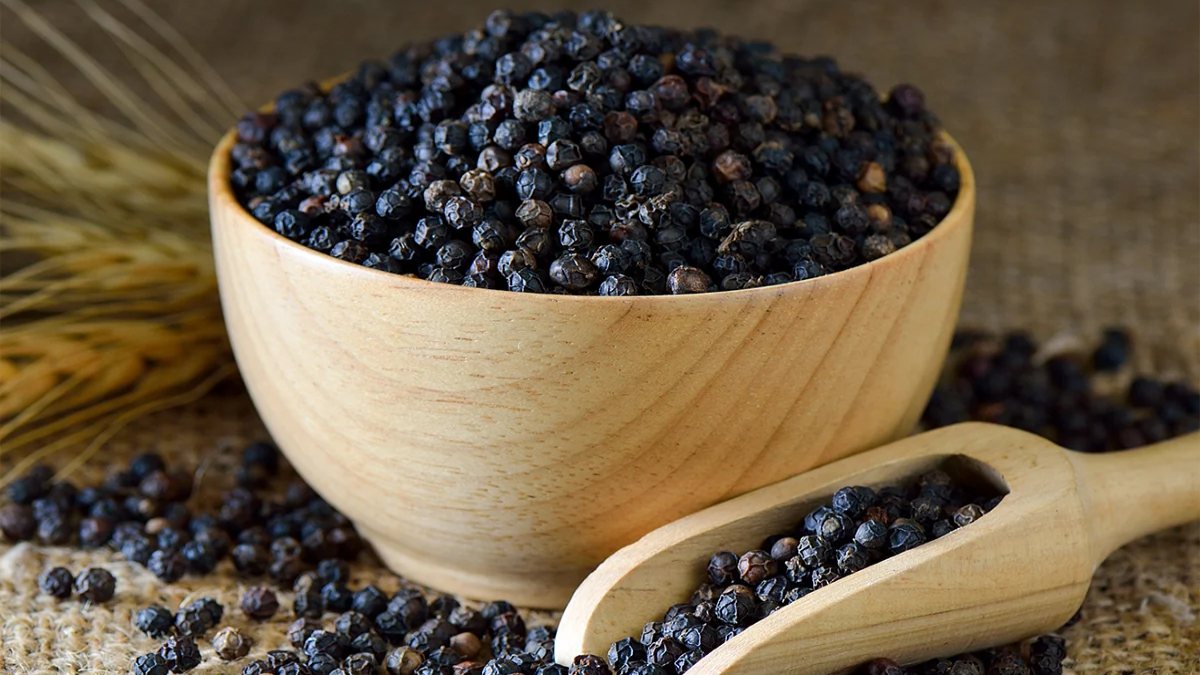
As per Vijaya Karnataka’s report on October 28, 2026, the price of ungarbled black pepper in the Kochi terminal market increased by ₹30 per kg to ₹733, and in the futures market rose by ₹795 per kg.
The rise in black pepper prices is significant for India, where the spice is commonly used in households, restaurants, food processing and pharmaceutical industries. India has always been a major producer and exporter of black pepper. But with changing global prices and supply problems in the country that persist, it is now more dependent on imports to meet much of its consumption needs. The increase also highlights how developments in international markets can directly impact prices paid by traders, manufacturers and consumers in India.

Vietnam Pepper Imports Into India Decline by 23%
One of the main reasons behind the current price movement is the decrease in black pepper imports from Vietnam, one of the world’s leading pepper-producing and exporting countries. As a result, Vietnam pepper imports and India’s imports have fallen by nearly 23 per cent since the market report, which makes it harder to supply local buyers for domestic consumption, says the market report.
Data cited in the report indicate that India imported approximately 8,414 tonnes of black pepper from Vietnam from January to September 2026. A significant amount of the imported pepper was earmarked for oleoresin and spice-processing industries, which use pepper as raw material to produce food ingredients and flavouring products. The quantity available to other buyers may be less than the overall import figure suggests.
Vietnamese pepper is also in strong demand from other international markets. Buyers in the United States, Europe and China are purchasing huge quantities. When exporters have multiple destinations in their supply chain, it may be difficult for Indian importers to get the amount of product they need at a good price.
The reduction in imports can tighten domestic supply, especially when local production is also under pressure. Traders closely follow these international developments because even relatively small fluctuations in supply can affect prices in major Indian trading centres.
Strong Global Demand Adds to Price Pressure
Vietnam is an important player in the international pepper trade and in the current market situation. The country supplies several major importing markets, and demand from overseas buyers has apparently remained strong during 2026.
According to figures cited in the report, the United States bought around 57,000 tonnes of pepper from Vietnam, while European countries accounted for around 45,000 tonnes. China's imports also increased 62 per cent to about 24,900 tonnes, making it another important destination for Vietnamese pepper. The figures are indicative of the global competition for supplies, but the numbers are reported trade figures and should not be interpreted as India's direct import shortfall.
As more pepper is sent overseas, Indian importers must compete with buyers who may be willing to pay higher prices. Foreign demand, freight costs, exchange rate movements and export quotations can all affect the final price of imported pepper. If import prices rise while domestic supplies remain low, the Indian market may be under more pressure.
Lower Domestic Production Adds to the Challenge
Apart from the decline in imports, concerns about domestic pepper production are also contributing to the firmness of the market. The production of black pepper is primarily in southern India, particularly in Kerala and Karnataka, and Tamil Nadu also contributes to production. Weather conditions, rainfall, crop health and harvesting performance all have a great deal to say about the amount of pepper going to the market.
Market observers quoted in the report have expressed concerns that production in India and other pepper-producing countries such as China and other pepper producers have been affected by unfavourable weather conditions. If domestic yields don’t meet expectations, traders will turn to imported supplies to meet demand from food manufacturers, exporters and other food producers and sellers.
The situation is particularly critical for Indian farmers and traders. Higher market prices might improve returns for growers who have stocks available for sale. The vendors who depend on pepper as a raw material might face higher procurement costs. Spice manufacturers could eventually pass some of those higher costs on to customers, depending on their inventories, contracts and ability to absorb the increase.
Will Black Pepper Prices Rise Further?
The future direction of black pepper prices will depend on a number of factors: the volume of imports coming into India, the pace of local harvesting, international demand and the stocks held by traders and farmers.
If imports from Vietnam remain lower and domestic production is affected by adverse weather, prices could remain firm. Strong buying during the festive season may also support demand. But increased arrivals from alternative suppliers, improved domestic production or a slowdown in overseas demand could ease some of the pressure.
Consumers might not immediately feel the impact of wholesale price changes, as retail prices depend on packaging and distribution costs, brand margins and local market conditions. But long-term increases in raw pepper prices could lead to retail prices and food-processing costs.
So far, the rise to ₹733 per kg in the Kochi market indicates a better supply-demand balance in India’s black pepper trade. The drop in imports from Vietnam, competition from international buyers and concerns about domestic crop production are also helping to keep prices up. Traders and consumers will be watching for import arrivals and the next harvest to see if the current rally continues or slows down.






Comments