
Islamic preacher Yahaya Masussuka, 47, has been shot dead by gunmen outside his home in Dutsin-Ma in the northern state of Katsina, Nigeria. At least two men driving on a motorcycle shot the local mosque leader early on Monday evening as he was leaving his home in Dutsin-Ma, Katsina State, Nigeria.
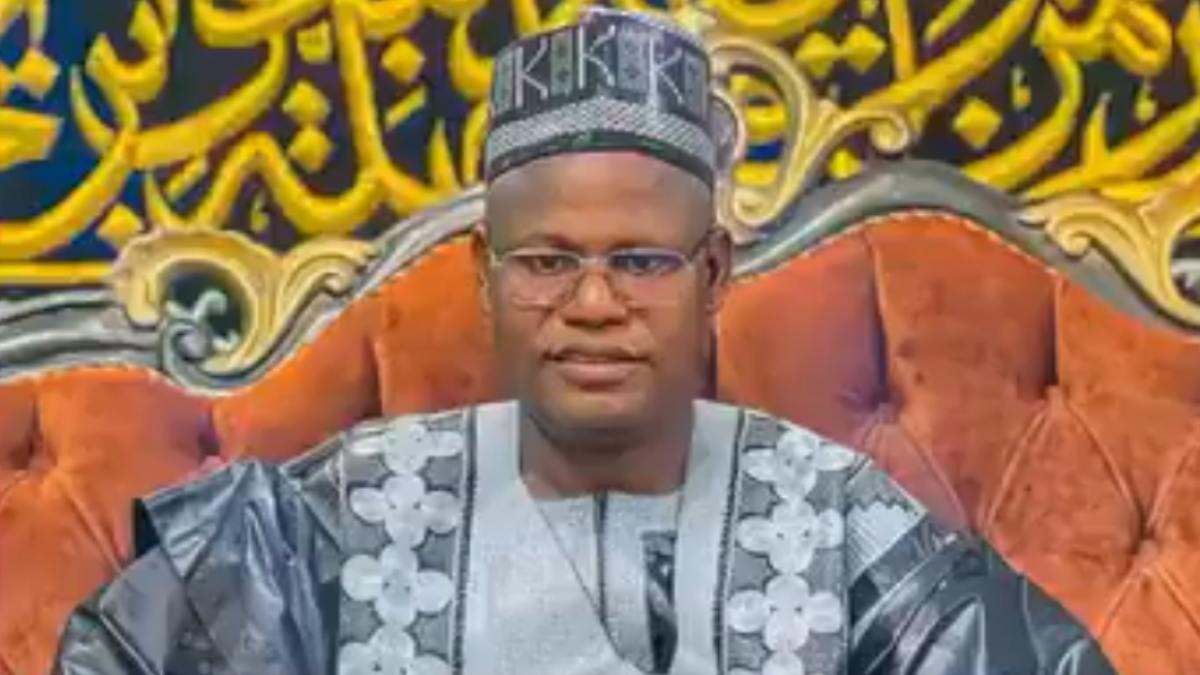
One of his guests was also shot in the attack, police said. Police said both men were taken to hospital, where doctors declared them dead. There is no official reason for the shooting, but the preacher, who had been subjected to online death threats for his religious beliefs, has apparently been threatened with death for his views.
Masussuka had been noted for his teachings and his critiques of most of the orthodox Islamic beliefs. He primarily relied on the Quran and questioned the validity of hadiths, the recorded sayings and actions of Prophet Muhammad. He questioned the belief that two angels question the dead in their graves, and he had already been sentenced to nine months in jail for mocking scholars for these beliefs. It is not certain that his religious beliefs or threats were related to his killing.


In fact, months before the shooting, the Katsina State government had told Masussuka to attend a Committee of Ulamas to answer allegations of his teachings that defied the Islamic views of the state. The government also accepted a counter-complaint by the preacher, who said Jama’atu Izalatil Bid’a members had insulted him and threatened to attack him.
The issue was subsequently turned over to the Emir of Katsina, who met Masussuka and other scholars. The Emir told all parties to avoid sermons and public statements that could provoke hostility among Muslims. Yet some days later, the cleric was killed in the attack outside his home.
Yahaya Masussuka's religious journey and teachings
Masussuka started to preach at 13 years of age, when he studied at the Quranic schools. He studied religious studies at Al-Azhar University in Egypt and studied in Oman. It was over a period of time that he gained a following from people interested in his interpretation of Islamic teachings. He would record sermons and religious discussions in his home and share the content with his followers through social media. His online presence has helped get his views out to wider audiences beyond his own community, and he has been criticised for his interpretation of religious texts.


Despite his disagreements with teachings, Masussuka had also spoken out against violent extremism and advocated peaceful coexistence between Muslims and Christians. He was recognised by the Network for Good Governance and Transparency for his peace-seeking, which gave him a Peace Ambassador Award in 2016.
It was a testament to his commitment to peaceful coexistence and to the controversy raised over his religious positions. His death has raised new fears about the safety of religious figures who express views that do not fit conventional thinking or cause hostility from others.
Masussuka leaves behind two wives and seven children. His killing has deprived his family of a husband and father and has also exposed the dangers faced by public religious leaders in parts of northern Nigeria. There is no confirmed motive for the attack despite the reported online threats, and the online threats remain an important part of the background to the case rather than proof of who was responsible. Police investigations will be critical in determining the circumstances of the shooting and whether the attackers had a specific motive connected to his preaching.
Religious violence and security problems in Northern Nigeria
Northern Nigeria has seen years of insecurity with extremist groups, communal disputes, and violence with ethnic and religious dimensions. Violence has killed thousands of Christians and Muslims in the region in the past 25 years. Muslim preachers who have criticised Boko Haram, an Islamist group that has been active since 2009, have been targeted.
The group has also targeted religious leaders and others who stood in the way of the group’s ideology, contributing to wider concerns about freedom of religious expression and public safety.
The reasons for Masussuka’s death must be established in the course of this investigation, and there is no evidence in the information that currently exists that links Boko Haram with the shooting. His reported disagreements with some religious scholars and threats he allegedly received are part of the picture, but the identity of the attackers and their motive remain unconfirmed.
The case highlights the importance of protecting people from targeted violence and ensuring that allegations, religious disagreements, and threats are treated with the proper legal process. Authorities face pressure to investigate the killing thoroughly, identify those responsible, and establish whether the attack was connected to the threats reported before his death. Until investigators release further findings, the precise reason for Masussuka's killing remains unknown.




Comments