
Blinkit has made a major change to its ambulance service it will charge ₹2,500 for non-emergency ambulance trips but will continue to provide emergency medical transportation free of cost.
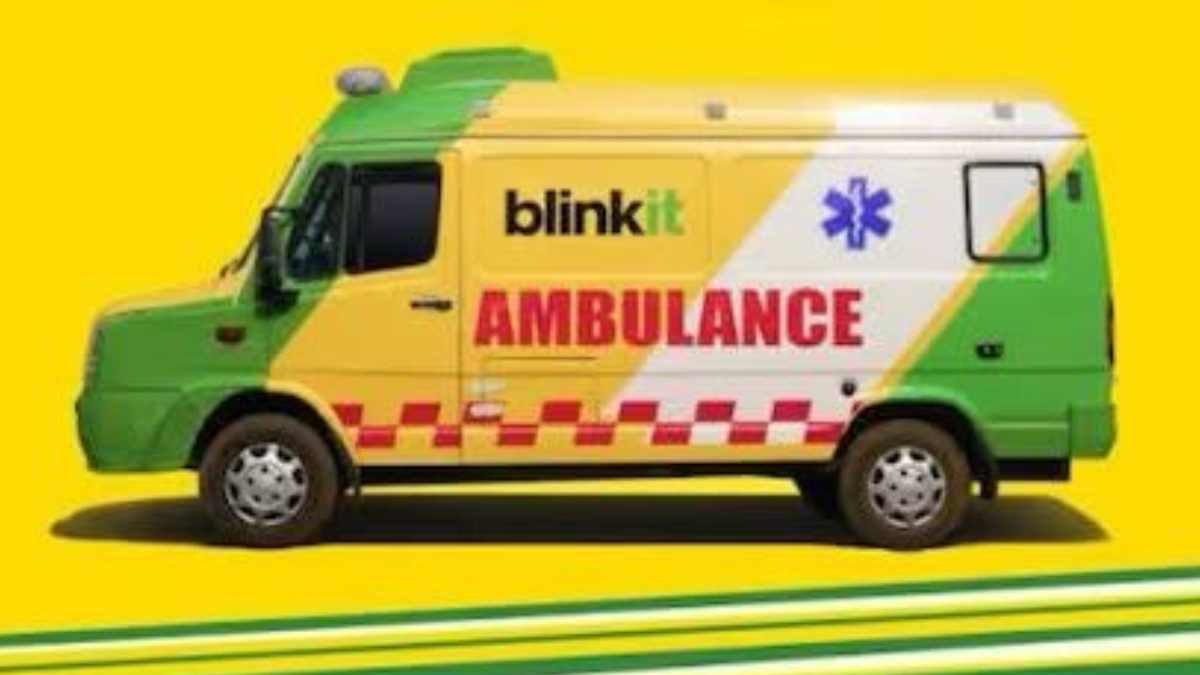
On November 5, 2026 Deepinder Goyal, Vice Chairman of Eternal (parent company of Blinkit and Zomato) announced that customers using Blinkit Ambulance for hospital visits, medical checkups and hospital-to-home transfers would now have to pay ₹2,500 after they complete their journey (patients requiring emergency medical transportation will not have to pay anything).
The company says this is to ensure that fully equipped ambulances and trained medical professionals are available for patients in critical situations.
Explaining why the company did it, Deepinder Goyal said Blinkit Ambulance had handled nearly 42,000 cases in the last two years almost 20,000 of them emergency cases. “We have not charged our customers for any of these ambulance services since we started,” he added.
But people were booking emergency ambulances for non-emergency purposes (medical checkups, health checkups etc) and also from hospitals back to their homes. “People could use private vehicles or regular transportation services for those journeys rather than an emergency ambulance which is fully equipped,” Goyal said.
The company feels that with more non-emergency bookings coming in the ambulances won’t be available when people really need them. Every ambulance assigned for a hospital visit stays occupied during that journey (with trained paramedics and medical equipment) but if someone has a serious medical emergency it may delay assistance.
With ₹2,500 fee for non-emergency trips Blinkit hopes to discourage unnecessary bookings so its emergency response vehicles are available for life threatening cases only. Goyal said “We don’t want to make money from ambulance transportation.”
Under the new policy emergency transfers will be free of cost but non-emergency transfers will be charged a flat rate of ₹2,500 payable after completion of the trip. Deepinder Goyal also said that the new fee is broadly in line with what private ambulance operators charge.
Money collected from non-emergency bookings will go to Eternal Foundation which runs the ambulance service that foundation will use it for expansion and development of the ambulance network (so the new pricing structure is meant to help manage demand while supporting long term operations).
Blinkit Ambulance is part of the company’s strategy to use technology and quick response infrastructure to increase access to emergency medical transportation. The service was launched in Gurugram as a pilot project in January 2025. Its 10-minute ambulance model aims to provide rapid access to medical transportation through Blinkit platform.
Ambulances are fitted with basic medical facilities and paramedics trained to help patients during emergencies. The initiative got public attention because it brought quick commerce company’s rapid delivery approach into healthcare transportation space.
Another big challenge Goyal mentions is the availability of trained empathetic paramedics. “Finding medical professionals who can respond to emergencies when required is one of the biggest challenges in expanding the service,” he says. Running an ambulance network involves more than vehicles and equipment it needs people too who can handle patients responsibly, provide appropriate assistance and remain calm under pressure. To overcome this problem the company is expanding its training academy but ensuring quality of training is not compromised.
Blinkit also has big plans for its ambulance service too. Goyal said the company (Albinder Dhindsa at Eternal CEO and wider team) is bringing Blinkit Ambulance to major cities in India over the next two to four years but this will only happen if they build enough ambulance infrastructure, recruit and train paramedics etc. They have to get reliable operations going across different cities while keeping the quick response model as the foundation of the service.
The announcement has also sparked a wider debate on how emergency medical resources are used in India. Free ambulance services can make medical transportation more available but only if they are available and that depends on resource management. Emergency ambulances are meant to respond to urgent situations so their availability is important when every minute counts. Charging for routine transfers might reduce demand for such services so emergency vehicles could be directed at patients who need immediate care.
All in all, Blinkit’s move to charge ₹2500 for non-emergency ambulance journeys is a big shift in its healthcare initiative. It has made it clear that emergency transportation will be free and routine medical transportation will become chargeable.
Having handled 42k cases over two years and expanding into major cities (it now operates in Bengaluru), Blinkit Ambulance wants to ramp up operations and improve emergency response availability. Will the revised policy work if it balances accessibility, ambulance availability and growing demand for medical transport across India?



Comments