
Chicken and egg lovers may soon have to shell out more for their favourite food items as poultry prices are likely to rise significantly. Consumers may have to pay an additional ₹50 per kg for chicken and about ₹4 more per egg if egg prices also go up.
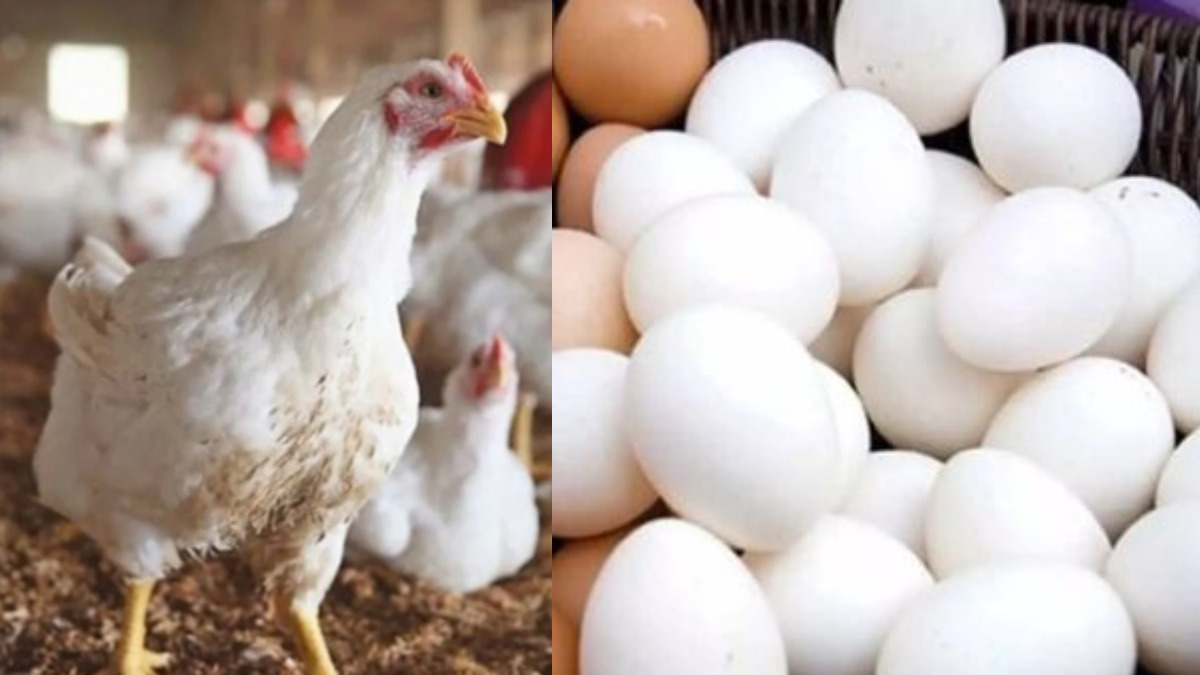
The proposed hike could affect household food budgets, restaurants, hotels, street food vendors and businesses that rely heavily on poultry products. If the price hike is implemented, regular consumers of chicken and eggs will have to adjust their monthly expenses as poultry products remain an affordable source of protein for many Indian households.
The possible increase in chicken prices will worry consumers who buy poultry products. Chicken is consumed in many parts of the country and is used in almost all household dishes, restaurant menus and popular non-vegetarian preparations.
A rise of ₹50 per kg could make a difference to families who buy chicken several times a week. Small restaurants, biryani shops, catering units and roadside food stalls may also have higher operating costs depending on market conditions; they can absorb the additional cost or pass some on to customers through higher menu prices.
Egg prices are also likely to be under pressure; ₹4 per egg is possible. Eggs are among the most commonly consumed protein-rich food products in India because they are relatively cheap and easy to prepare. Students, working professionals, fitness freaks and families are all fans of eggs as economical nutritional options.
If egg prices go up by the expected amount, regular consumers will see a big difference in their monthly grocery bill. Bakeries, hotels, restaurants and food manufacturers that use eggs as a primary ingredient may also have higher production costs.
Different factors can influence poultry prices: the cost of poultry feed, transportation, electricity, labour and overall production costs. Feed is one of the biggest components of poultry farming costs, and changes in prices of ingredients like maize and soybean meal directly affect expenses incurred by poultry farmers.
If production costs increase, farmers and suppliers will adjust wholesale prices to maintain profit margins. Transportation expenses and changing market demand also have an effect on what prices are charged to consumers.
Seasonal demand also affects chicken and egg prices. During periods of high consumption, festivals, weddings and other social occasions, demand for poultry products can rise sharply. If supply does not increase at the same rate, retail prices may move up as well. Similarly, weather conditions, poultry production cycles and supply chain disruptions affect the availability of chicken and eggs in local markets, so that cities, districts and individual retail markets have different prices too.
The price rise in chicken is likely to hit the food service industry hardest. Restaurants, hotels, cloud kitchens and catering companies use chicken in many popular dishes (biryani, kebabs, curries, fried chicken and grilled preparations). If raw chicken prices are raised by ₹50 per kg, then the cost of preparing those dishes will go up, especially if establishments purchase poultry every day in large quantities. Small food businesses with limited profit margins may not be able to afford that extra expenditure. Consumers could end up paying more for food if restaurants decide to change their menus.
Bakeries and food manufacturers would also be affected by the possible egg price rise. Eggs are used in cakes, pastries, biscuits, desserts and several other bakery products. Higher procurement costs may put more pressure on businesses that depend on bulk egg purchases. Street food vendors selling omelettes, egg rolls, egg rice and other egg dishes might also consider adjusting their selling prices if it continues.
However, consumers should keep in mind that the numbers quoted are a possible price increase and retail rates may vary by location, market conditions and availability of poultry products. Chicken prices depend on local supply and demand; egg prices can vary between wholesale and retail markets, so check prices at nearby poultry shops and markets before buying in bulk.
The price increase is worrying regular chicken and egg consumers (families trying to budget for daily food costs), because both products are part of everyday diets and even a small rise can add up over time. Poultry farmers, wholesalers, retailers and food businesses will also be watching developments in markets to see how the proposed changes affect demand and sales.
If the expected hike materialises, chicken could cost ₹50 more per kg and eggs ₹4 more each. Consumers will have to wait for actual market price revisions to know how much it will affect them, but the poultry market is in focus till then households and businesses are preparing for higher chicken and egg prices.






Comments