
Children’s Day 2026 will be observed across India on Saturday (November 14). Schools, educational institutions and communities will organise special programmes to honour children and highlight their rights, happiness, education and overall development.
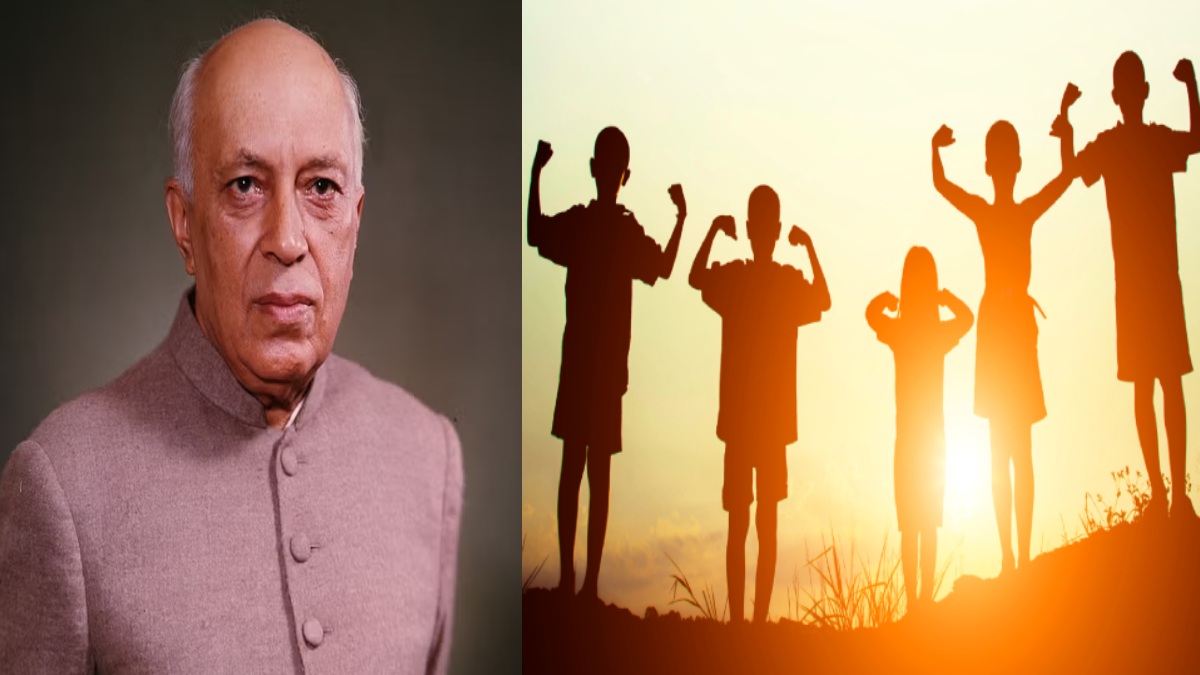
It is known as Bal Diwas in India and is celebrated every year on November 14 the birthday of India’s first Prime Minister Pandit Jawaharlal Nehru who was known for his love for children.
He believed young people were the bedrock of the country’s future and because of this his connection with children became an important reason why his birthday came to be celebrated as Children’s Day in India.
The history of Children’s Day in India is linked to the life and legacy of Jawaharlal Nehru. Before November 14 became national Children’s Day in India, November 20 was observed as Universal Children’s Day by United Nations (UN).
When Nehru died in 1964 India decided that his birthday anniversary should be celebrated as Children’s Day in tribute to his love and concern for children. Since then 14 November has become an important date in Indian calendar reminding society of its responsibility towards country’s children.
Nehru was popularly called Chacha Nehru by children; his birthday celebrations gradually turned into an occasion related to childhood, learning and every child getting opportunity to grow.
Children’s Day is not only about cakes, presents, games and cultural shows. It is a day to remember that every child deserves quality education, proper health care, nutrition, protection and safety; children need encouragement and support to find out what they can do, build confidence and relationships.
The day also brings attention to child labour, child marriage, poverty, malnutrition, discrimination, abuse and unequal access to education. These problems still affect many children today so the message of Children’s Day is not just for school celebrations.
Schools are major players in marking the day. Schools may organise cultural programmes, dance performances, music competitions, sports events drawing contests storytelling sessions fun activities Teachers may take part in special performances or games to make students feel appreciated.
Some schools give sweets snacks gifts greeting cards others arrange educational activities that stimulate creativity teamwork curiosity Children’s Day celebrations also provide teachers and parents with an opportunity to recognise children’s individual talents not only by their academic performance but also by their individual accomplishments.
Education is one of the main messages associated with the day every child should be able to go to school, learn skills and pursue their interests without discrimination.
Education gives children independent thinking, communication skills and confidence to take part in society but learning shouldn’t just be about textbooks and examinations sports, art, music, reading, practical activities and creative experiences all contribute to a child’s personality and emotional development too.
A supportive learning environment helps children understand what they are good at and prepares them for future opportunities.
Child protection is another part of Children’s Day. Children depend on adults, institutions and governments to protect them from exploitation, violence, neglect and unsafe conditions: families have to care for children; emotional support must be given; schools have to create safe and inclusive environments; authorities have to implement child protection laws effectively; children should be encouraged to speak up when they feel unsafe and know that their concerns matter (awareness about child rights is therefore part of the occasion).
Children’s Day in India also has a link to the larger international movement for children’s rights. The United Nations observes Universal Children’s Day on November 20 (the date of adoption of Declaration of the Rights of the Child in 1959 and Convention on the Rights of the Child in 1989).
International observance “encourages understanding, friendship and action for children everywhere”. Although India has its national Children’s Day on November 14 this is also an occasion where we remind ourselves that children deserve dignity, equality, protection and opportunities to fulfil their potential.
Children’s Day 2026 is coming up and families, teachers, policymakers and communities have an opportunity to think about how they treat and support young people. Children don’t need a day of celebration they need good schools, nutritious food, healthcare, safe public places, emotional support and the freedom to explore their interests.
Parents can listen to their children, ask questions and praise them; schools can create inclusive classrooms where every student feels respected; communities can back initiatives that increase access to education and protect vulnerable children.
Ultimately Children’s Day is about reminding us that the future of a country depends on how it nurtures its youngest generation. Celebrating children means respecting their voices; protecting their rights and helping them become confident, responsible and compassionate people.
On 14 November 2026 Bal Diwas message will again remind India to celebrate childhood but remember that every child deserves to learn, dream, play and build a better future.






Comments