
Bengaluru is set to achieve a major milestone in urban transportation as Prime Minister Narendra Modi is to inaugurate the 7.5-kilometre elevated stretch of Namma Metro’s Pink Line today. With the inauguration, the city’s total operational metro network will expand to 103.6 kilometres, making Bengaluru the second-largest operational metro network in India after Delhi.
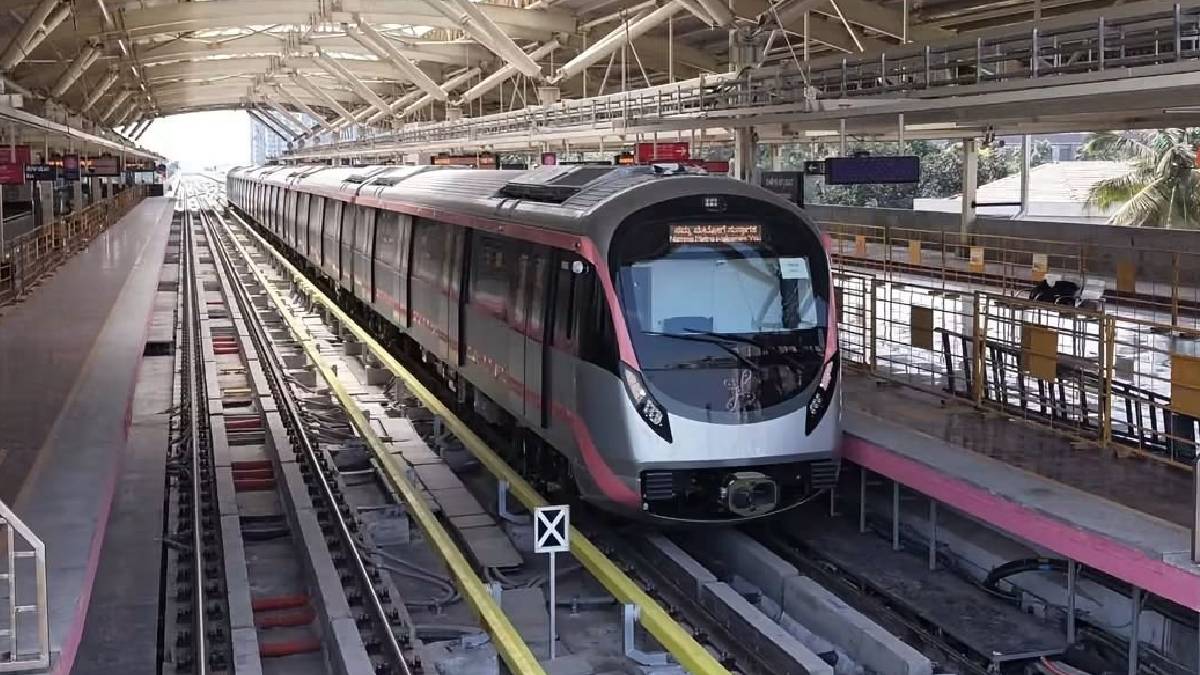
With this expansion, Bengaluru will overtake Mumbai and become India’s second-largest metro network after Delhi. This is another milestone for the city’s public transportation infrastructure, which has expanded rapidly over the past few years to cater to growing commuting needs of its residents.
The new Pink Line stretch will improve connectivity across important parts of South Bengaluru and give commuters another option of public transport. Bengaluru’s achievement is all the more significant because several other Indian cities started their metro projects much earlier but have smaller networks operational today.
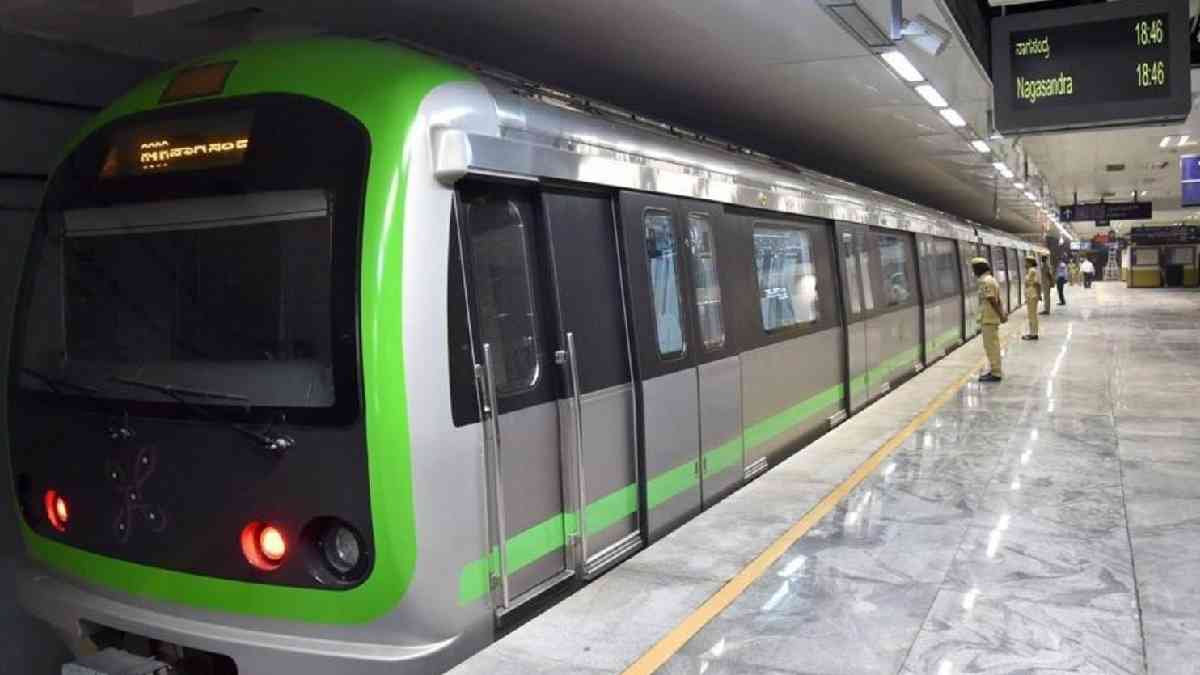

Delhi Metro (with available network numbers) is still No. 1 in India with 374.5 kms of metro network. Bengaluru will be second (103.6 km) after the new Pink Line section opens. Mumbai has a combined metro network of about 102 km (91 km Mumbai + Navi Mumbai 11.1 km).
Kolkata is next with about 73 to 74 kms, Hyderabad 69 kms Chennai 68.7 kms Ahmedabad-Gandhinagar 65 kms Nagpur and Pune have metro networks of about 38.2 kms and 33 kms respectively. Bengaluru’s expansion shows how fast it is developing mass rapid transit infrastructure and how strong its position among India’s metropolitan transportation systems is becoming.
The Pink Line section between S.G. Palya and Kalena Agrahara is around 7.5 kms long, with six stations, and the elevated corridor has been built at an estimated cost of Rs 3470 crore. Commercial operations on this stretch will start from 6 am on November 14, 2026 (Monday).
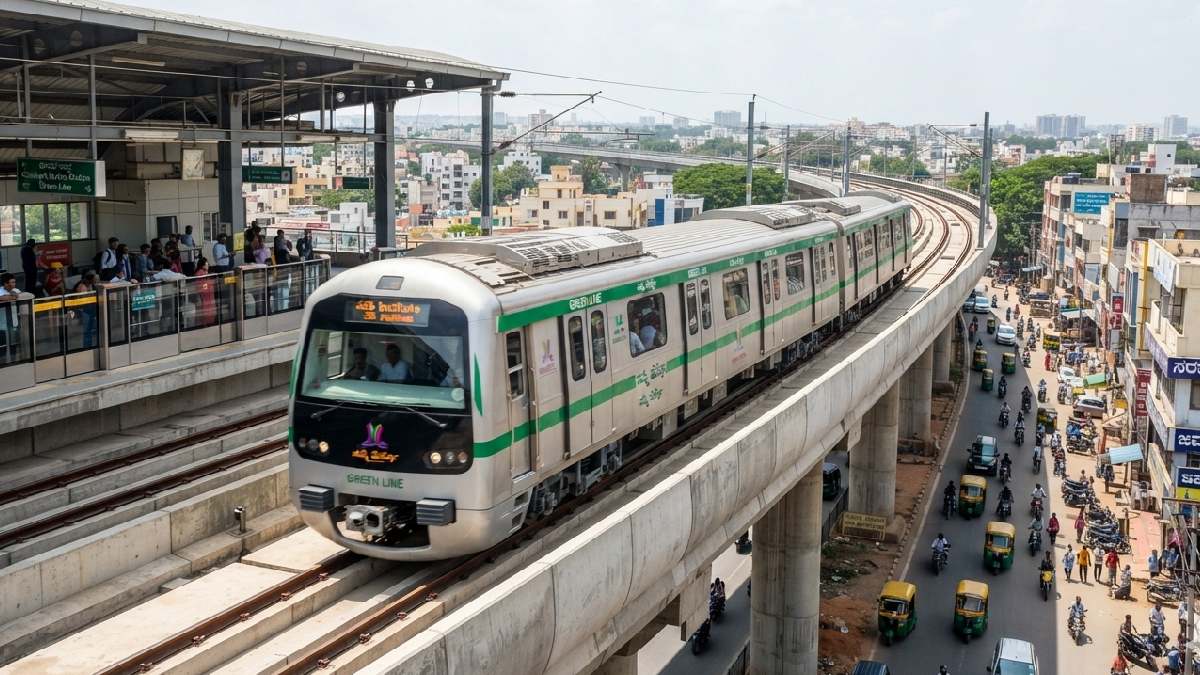
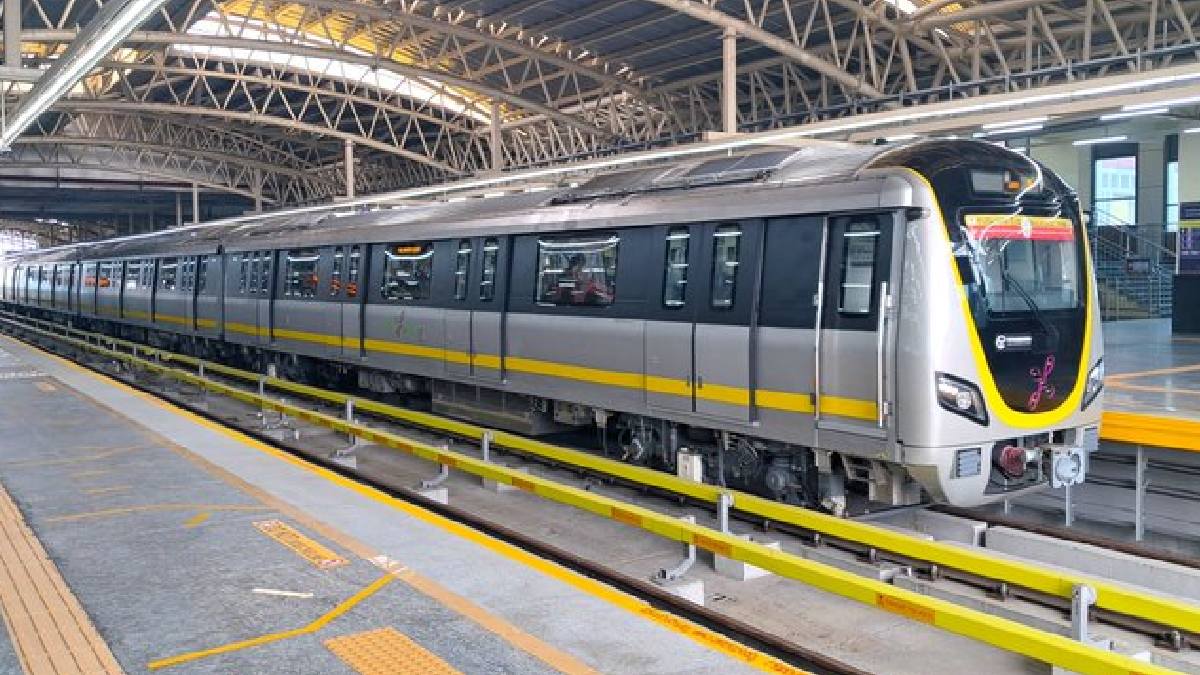
Passengers will be able to use the new metro connection from that day onwards. Initially, five trains are expected to run on the route at eight-minute intervals. The service will benefit daily commuters, students, office-goers, and residents travelling through areas along Bannerghatta Road as well. As metro connectivity expands into South Bengaluru, more options for travel and better access to important residential, commercial and educational destinations will be available to passengers.
Bangalore Metro Rail Corporation Limited (BMRCL) has also announced the fare structure for the newly opened stretch. Passengers travelling between S.G. Palya and Kalena Agrahara will have to pay Rs 30; from S.G. Palya to Hulimavu or IIMB (Bilekahalli), Rs 20; and commuters travelling between N.S. Palya and JP Nagar 4th Phase Rs 10.
The fare structure is expected to make the new connection available to passengers travelling shorter and longer distances along the corridor. The introduction of the new section will also enhance connectivity for people who depend on public transport to reach workplaces, educational institutions and other important destinations in southern parts of the city.
The Pink Line is an important part of Bengaluru’s expanding metro network. The entire corridor is planned to be about 21.26 kilometres long between Kalena Agrahara and Nagawara with 18 stations (12 underground and 6 elevated). The elevated section runs along Bannerghatta Road and is being developed to improve connectivity to several densely populated areas.
The elevated section has opened for commercial operations, but the underground portion is under construction. Once all the sections are operational, the Pink Line will significantly enhance connectivity between South Bengaluru and North Bengaluru, as many daily journeys will be off road transportation.
Another key aspect of the Pink Line is train technology. The six-coach trains made by BEML are driverless train operation (DTO) trains and can run at speeds up to 90 kilometres per hour. Each train has a carrying capacity of about 2,008 people. These trains are expected to help smooth passenger movement during peak commuting hours.
Platform screen gates are also planned at all six elevated stations to improve the safety of passengers falling onto the tracks accidentally. Safety installations are part of the infrastructure development process, especially at stations where a large number of commuters will travel.
The Pink Line will also have interchange facilities with other Namma Metro corridors. Jayadeva Hospital Metro Station will connect to the Yellow Line, and passengers can transfer between the two corridors at this station. At MG Road station, commuters can interchange with the Purple Line too. These connections should make travel across different parts of Bengaluru easier as passengers can switch between metro corridors without relying entirely on road transport. Interchange facilities will also integrate the city’s expanding metro network.
With the addition of the Pink Line stretch (7.5 km), Bengaluru is all set to overtake Mumbai in metro length operated network and second position after Delhi nationally. This is an important milestone in the city’s infrastructure expansion drive. Construction on the remaining underground section of the Pink Line as well as other metro corridors is underway, and Bengaluru’s public transport network will expand further once this is done. The latest expansion would benefit thousands of commuters and make Namma Metro more effective in tackling traffic congestion and transportation needs of the city.





Comments