
Indian Railways is reportedly looking at ending its decades-old Reservation Against Cancellation (RAC) ticket facility. This could have far reaching implications for the railway reservation system as passengers who get shared seating accommodation despite paying full fare may no longer be accommodated.
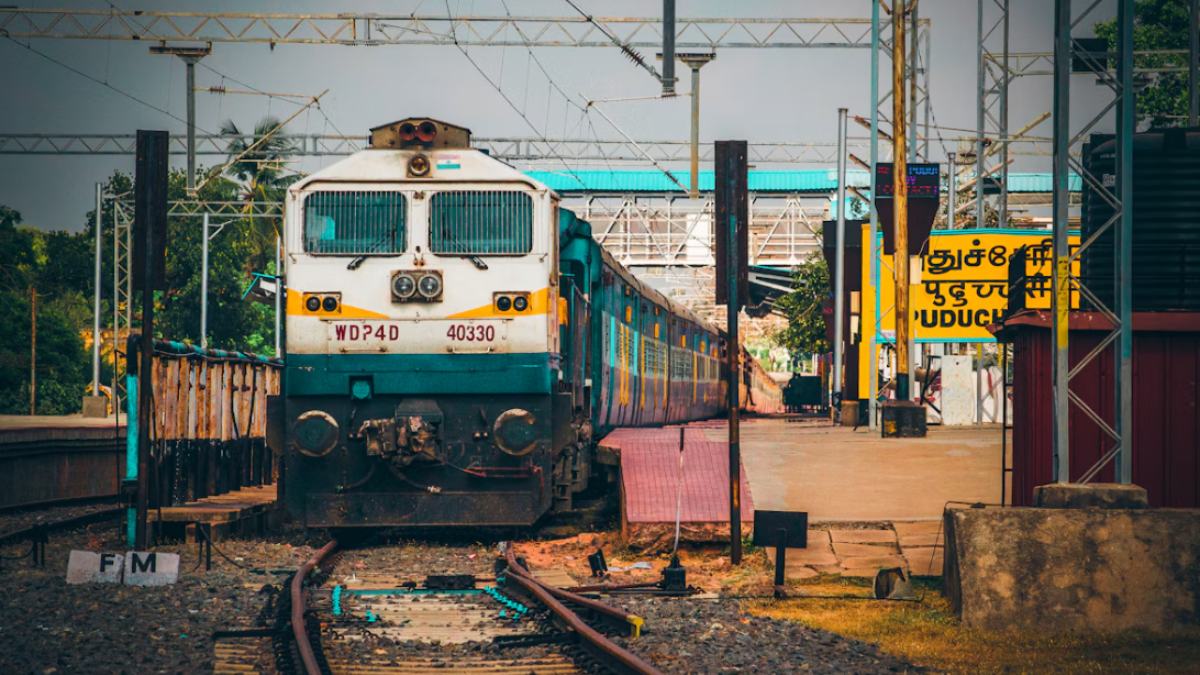
Under the RAC arrangement two passengers can be put in a single side-lower berth. Both passengers are allowed to travel but if no other accommodation is available they may have to share the same berth for sleeping.
The arrangement has been questioned on grounds of passenger comfort, privacy and fairness (paying full fare for shared sleeping).
A parliamentary panel had also questioned the system and suggested reviewing the fare structure. Indian Railways has not yet announced that RAC tickets will be scrapped but they are being looked into.
What Is RAC in Indian Railways?
RAC stands for Reservation Against Cancellation. It is a railway reservation status that allows passengers to travel even when confirmed sleeping berths are not available.
The facility acts as an intermediate category between confirmed and waitlisted tickets.
RAC tickets allow passengers to board the train and be seated but they are not guaranteed an individual berth unless one becomes available.
Under the present arrangement two RAC passengers share a side-lower berth. During the day it can be used for seating accommodation but at night the passengers may have to share the available sleeping space.
If a passenger with a confirmed reservation cancels their ticket or an eligible berth is free the accommodation may be given to an RAC passenger according to the reservation rules.
Why Is Indian Railways Thinking About Scrapping the RAC Facility?
We are looking at discontinuing RAC because of passenger convenience and the fare structure.
There are several reasons why the arrangement has been reviewed.
1. Passengers Pay Full Fare for Shared Berths
One of the biggest concerns is that RAC passengers pay full applicable ticket fare even though they do not get an individual sleeping berth.
Two passengers may end up sharing the same side-lower berth on an overnight journey even though they have paid their fares separately.
This has led to questions about whether the pricing structure as it is now fair to passengers who do not receive the full accommodation that normally goes with a reserved berth.
2. Passenger Comfort and Privacy Concerns
Sharing a berth with another person can be uncomfortable especially if you’re travelling long distances and overnight.
The arrangement also raises privacy concerns when two unrelated passengers share the same berth.
Things get more complex when men and women are put in the same shared accommodation. Train ticket examiners may not be able to find alternative berths if no accommodation is vacant.
3. Problems With Managing Shared Accommodation
The RAC arrangement can add responsibilities for railway staff.
Train ticket examiners have to deal with berth availability, cancellations and requests for accommodation change during journeys.
If no confirmed passenger cancels a ticket RAC passengers may still have to share the berth throughout the journey.
This has added to the debate about whether the system needs replacing with something more passenger friendly.
4. The Reservation System Has Changed
RAC was introduced when railway reservations were managed largely manually.
At that time the facility helped Indian Railways add more passengers by using berths which were vacant after cancellations or when confirmed passengers did not turn up.
Computerised reservation systems can track berth availability and cancellations more effectively.
This has led to questions about whether the decades-old RAC arrangement is still necessary in its current form.
What Has the Parliamentary Committee Recommended?
Parliament’s Public Accounts Committee (PAC) has also looked at the charging of full fares to RAC passengers.
In its 36th Report on punctuality and travel time in Indian Railways presented in February 2026 the committee had questioned the practice of charging full fare from passengers who do not get individual sleeping berth.
The committee recommended that the Ministry of Railways develop a mechanism whereby RAC passengers who do not get a full berth after chart preparation will be refunded partial refund.
The recommendation is to make the fare structure fairer for those passengers who receive shared accommodation.
But let us not forget that the committee’s recommendation does not mean Indian Railways has already introduced refund system or decided to abolish RAC.
The Ministry of Railways would have to take further action and announce any changes officially.
How Does the Current RAC Ticket System Work?
Under the reservation system, passengers can get RAC status when confirmed berths in a class are no longer available but reserved seating accommodation is still possible.
Here is how the process generally works:
- A passenger books a train ticket and becomes RAC.
- The passenger is allowed to travel in the reserved coach.
- Two RAC passengers may occupy the same side-lower berth.
- If a confirmed passenger cancels their reservation then there may be a vacant berth.
- An RAC passenger may then be upgraded to a full berth under the allocation rules applicable at that time.
- If no berth becomes available the passenger may have to continue with the shared accommodation.
An RAC ticket therefore guarantees reserved accommodation for travel but not necessarily an individual sleeping berth.
Difference Between Confirmed, RAC and Waiting List Tickets
Passengers often mix RAC and waiting list tickets. But the three reservation statuses have different meanings.
Confirmed Ticket (CNF):
The passenger gets confirmed accommodation (usually an individual berth in sleeping classes).
RAC Ticket:
The passenger may travel with reserved seating accommodation but may have to share a berth with another RAC passenger.
Waiting List Ticket (WL):
The passenger is waiting for a confirmed or RAC reservation. Whether the passenger can travel depends on final ticket status and railway rules (fully waitlisted e-tickets generally are not permitted to travel in reserved coaches after chart preparation).
The main difference is that RAC passengers are allowed to travel with reserved accommodation whereas a fully waitlisted ticket doesn’t.
Will RAC Tickets Be Abolished? What Should Passengers Know?
Although removal of the RAC facility is being considered, passengers should not assume that the current system has been discontinued.
As of November 14, 2026 there has been no official announcement that RAC tickets are being abolished.
The things passengers should know are:
- The existing RAC facility continues to operate under the current reservation rules.
- Indian Railways is reportedly looking into whether to cancel the arrangement.
- The Parliamentary Public Accounts Committee has recommended partial refunds for eligible RAC passengers who do not get full berths.
- There has been no confirmed date when RAC will be abolished.
- Passengers should continue checking their PNR status and follow existing railway reservation rules.
Any changes to RAC bookings, refunds or berths will be announced by the Ministry of Railways.
What Could Change If Indian Railways Removes RAC?
If the Railways decide to drop this arrangement then it may have to find another way of managing passengers when confirmed berths are not available.
New fare structures could be introduced, different berth allocation rules or alternative arrangements for passengers who cannot get full accommodation may need to be considered.
One option already recommended by the parliamentary committee is a partial refund mechanism.
However Indian Railways has not confirmed that there will be replacement system. The final approach will depend on the outcome of the review and any policy decisions taken afterwards.
Conclusion
Indian Railways’ reported review of the RAC ticket facility has highlighted an important issue for passenger convenience and railway reservation policies.
Rac has been helping passengers to travel with additional people for decades but charging full fares for sleeping accommodation in a shared room has raised questions about fairness, comfort and privacy.
The Parliamentary Public Accounts Committee has recommended partial refunds for passengers who are kept in RAC status but do not get a full berth, but whether the facility should be scrapped completely is being considered.
Until the Ministry of Railways makes an official decision passengers can continue booking and travelling with RAC tickets as usual.




Comments