
More than 16.86 lakh devotees have visited the shrine this year, with 200 pilgrims airlifted for emergency medical care and 120 deaths in Kedarnath alone by Thursday.
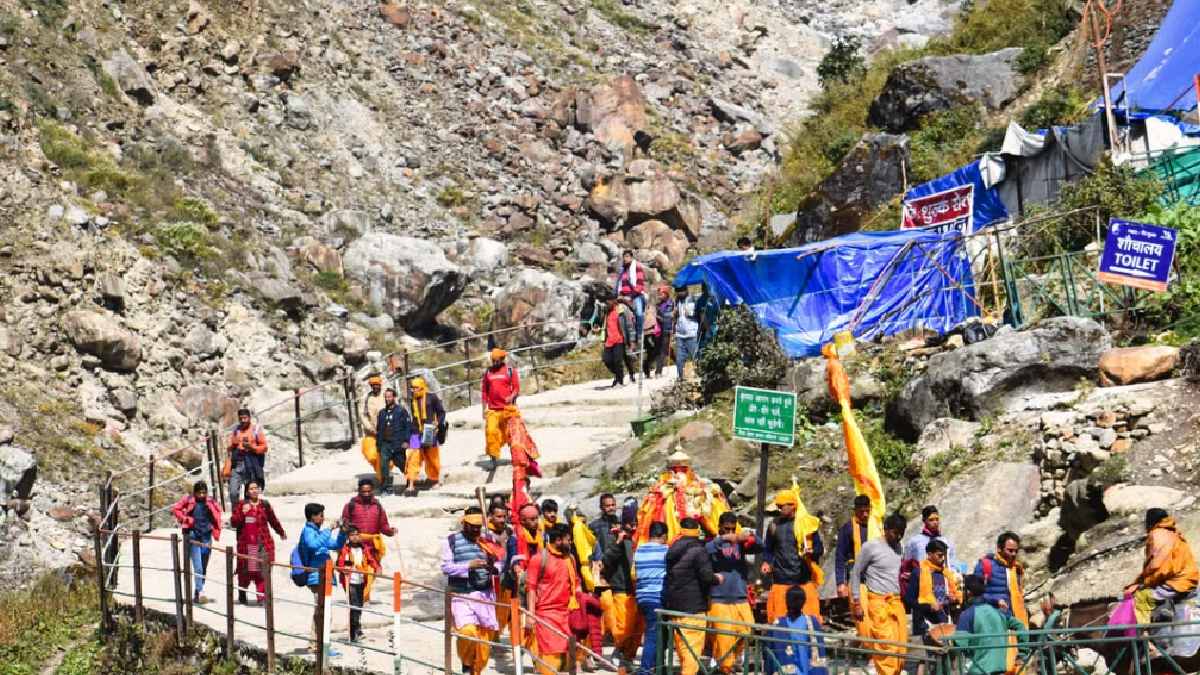
The pilgrimage to Uttarakhand’s revered Kedarnath shrine is on the verge of becoming the latest annual footfall record with more than 16.86 lakh devotees visiting the temple so far this year.
But the increasing numbers of pilgrims has also raised concerns about medical emergencies in the high-altitude Himalayan region, where low oxygen levels, heart problems, breathing problems and accidental injuries can quickly become serious.
Kedarnath is an important pilgrimage site for many pilgrims as well as people with health problems in the Himalayas. The journey is very much part of the pilgrimage season in which thousands of people are coming and going in Kedarnath every year with an influx of devotees.
The mountainous landscape and high altitude are demanding for the pilgrims, but the journey is very physical and the elderly and those who have pre-existing health problems are more likely to be at risk. This high number of visitors has meant emergency medical treatment and evacuation plans are becoming more and more important for pilgrims.
Helicopter evacuations are helping to safely transport critically ill pilgrims from remote places to hospitals equipped to provide advanced medical treatment. Patients are first assessed and treated at medical relief points along the pilgrimage route or at the hospital in Kedarnath.
Doctors recommend moving them to higher medical centres if their condition warrants special treatment, and helicopters are used to shorten the time needed to reach the appropriate hospitals.
Helicopter Evacuations Help Critically Ill Pilgrims
According to officials, 19 people were rescued by helicopter and taken to higher medical centres between January and September. And 200 pilgrims were airlifted for emergency medical care. The evacuation shows the necessity of reliable emergency transportation in a region where roads are scarce and going to a hospital is a challenge.
Medical emergencies reported during the pilgrimage have included breathing difficulties due to low oxygen levels, heart problems, chest pain and serious injuries due to accidents. Early assessment and transfer to the right medical facility is important in such cases.
The evacuation arrangements cover Madmaheshwar and other remote areas of the district as well. Patients with less serious medical conditions are transferred to nearby hospitals when needed. Helicopter operators, medical teams and ambulance services coordinate transfers based on the patient’s condition and the availability of suitable facilities.
District authorities have said that decisions on air evacuation are based on medical assessments and not automatically made for every patient. Doctors evaluate the severity of the condition and recommend transfer to a higher medical centre if necessary.
Kedarnath Records 120 Pilgrim Deaths
The huge pilgrim turnout has also led to a lot of deaths in the pilgrimage season. By Thursday, 120 pilgrims had died in Kedarnath alone and the Char Dham pilgrimage death toll was 263, officials said.
The numbers illustrate the health issues associated with a large-scale pilgrimage in mountainous areas. Some visitors may suffer from high altitude problems, in addition to the heavy walking, cold and related medical issues. Preparation of the pilgrims and their response to medical problems and awareness will be crucial to minimize the risk.
District disaster management officer Nandan Rajwar said seriously ill patients are referred to higher medical centres based on their condition and the advice of doctors.
He said helicopter evacuation arrangements were available at Kedarnath and Madmaheshwar, and patients in other places could be transported from there by helicopter or ambulance depending on the condition.
Health Precautions Remain Important For Pilgrims
Pilgrims have to take the physical demands of the trip seriously as Kedarnath is a popular destination for a large number of devotees. Travellers should follow all health advice as per the official health advisories, be advised not to go beyond their physical limits and seek medical help if they are having difficulty breathing, chest pain, dizziness or other concerning symptoms.
People with existing heart or respiratory problems should seek a medical professional before embarking on a high-altitude pilgrimage. Not only are the altitude adjustments and hydration issues important, but travelers need time to acclimatize to the altitude, too, and follow the advice of medical staff.
The growing footfall is testimony to the popularity of Kedarnath but the reported medical emergencies underscore the need for pilgrimage access to be balanced with health and safety. Helicopter services, medical relief posts and coordinated ambulance support are all being provided to pilgrims who require immediate treatment, so that they can be treated safely.
As the pilgrimage season progresses, emergency response arrangements and awareness of altitude-related health risks will be key to protecting devotees travelling to one of Uttarakhand’s most important religious destinations.






Comments