
Car and bike owners across India are going to see a major change in the way they renew their Pollution Under Control (PUC) certificates.
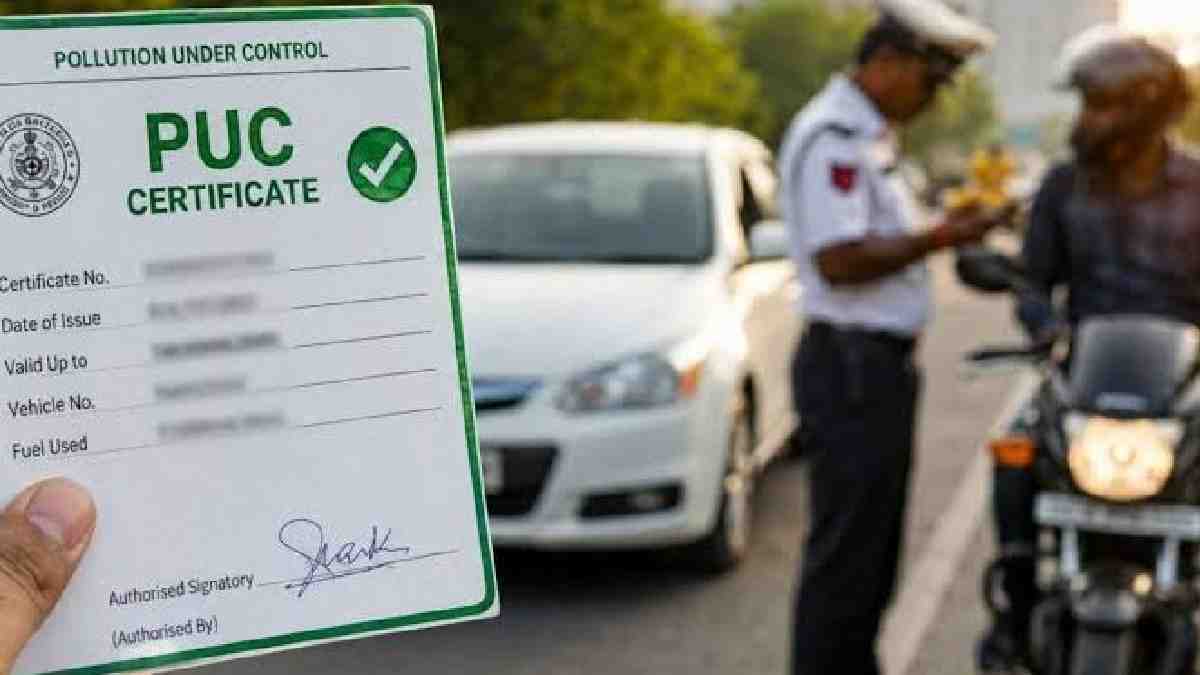
The Central Government has revised the PUC certificate validity rules which will provide great relief to owners of BS-VI vehicles but stricter renewal schedules for older ones. Eligible private BS-VI cars and bikes can now get PUC certificates valid for up to three years instead of getting them tested every year.
These changes were made by the Ministry of Road Transport and Highways (MoRTH) under Central Motor Vehicles (Sixteenth Amendment) Rules, 2026. The amendment was notified on November 13th, 2026 and came into force after publication in Official Gazette.
BS6 Cars and Bikes Get Three-Year Relief
The biggest gain under the new rules is for private BS-VI vehicles that are up to six years old. Their PUC certificates will be valid for three years from now on. That means eligible car and bike owners won’t have to go to pollution testing centres every year just to renew their certificates.
However, the validity varies with age. Private BS-VI vehicles (more than six years old but less than 10 years) will get certificates valid for one year; vehicles over 10 years will have to renew PUC certificates every six months.
The government has also made separate validity periods for commercial BS-VI vehicles. Vehicles up to six years old will have two year validity, vehicles between 6 and 10 years old one year and vehicles older than 10 years must be renewed every six months.
BS4 Vehicles Must Renew PUC Every Six Months
Newer BS-VI vehicles get extended validity but older ones will be tested more frequently for pollution.
BS-IV cars and bikes will now have to undergo pollution testing and renew PUC certificates every six months under the new rules. The requirements are even tougher for vehicles in older emission categories.
BS-I, BS-II and BS-III vehicles will get PUC certificates valid for only three months. So owners of these vehicles must keep track of the expiry dates of their certificates so that they don’t drive without pollution certification.
Why Has the Government Changed the Rules
The new system links pollution testing frequency to vehicle emission standards and age. BS-VI vehicles are designed to meet stricter emission standards so eligible newer vehicles can have longer certificate validity.
Older vehicles also need to be monitored more often so emissions remain within permitted levels. The shorter renewal periods are supposed to reinforce pollution monitoring and motivate vehicle owners to maintain their engines properly.
Will Existing PUC Certificates Become Invalid
Vehicle owners don’t have to replace their old PUC certificates immediately. Certificates issued before the amendment will still be valid until their original expiry dates (not after). The new validity schedule will apply when owners renew their certificates under the new system.
Of course the three-year validity doesn’t mean BS-VI vehicles are forever off pollution testing.
How Can You Check Your PUC Certificate
Car and bike owners can check their PUC certificate details on the government’s Parivahan portal. They should check emission category of their vehicle, registration details and expiry date of certificate before going to an authorised pollution-testing centre.
In general, the new rules are good news for newer BS-VI vehicle owners but bad news for older vehicle owners who will now need to be renewing their certificates more frequently. Knowing what’s changed will help motorists avoid expired certificates, penalties and trips to testing centres.






Comments