
Union Minister for Road Transport and Highways Nitin Gadkari has said that expansion of India’s road infrastructure and rise in vehicle ownership have led to air pollution because he is “responsible for 40% of air pollution in the country because I am in transport”.
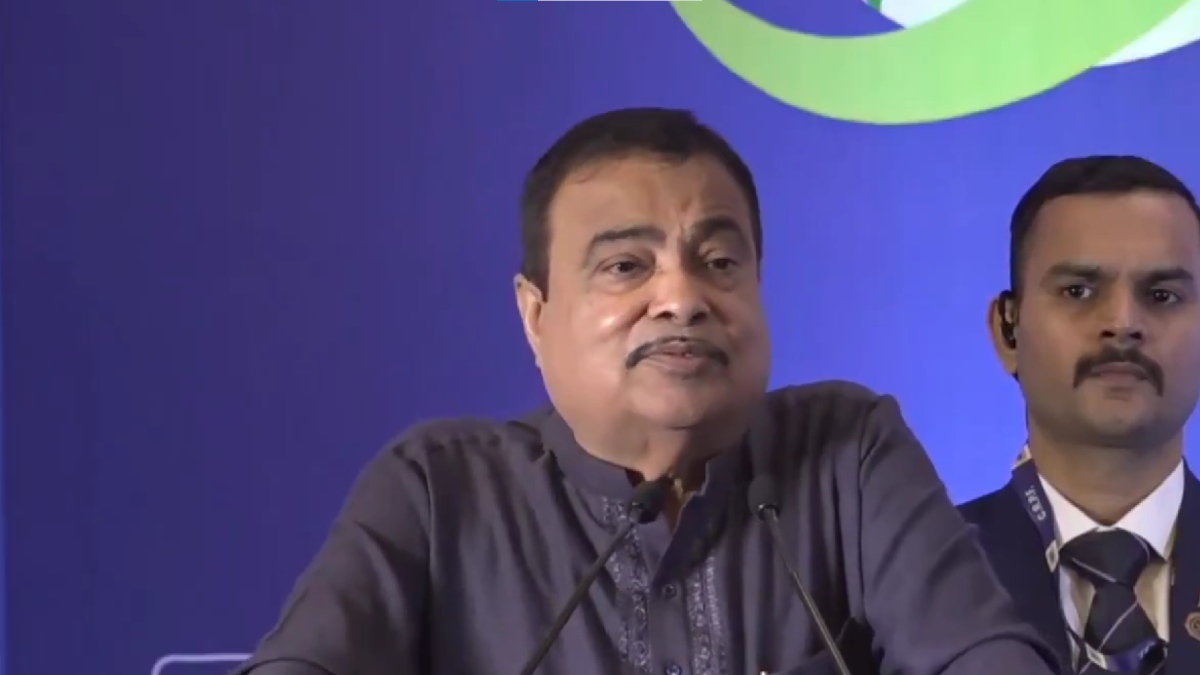
At the 14th CII Bioenergy Summit in New Delhi on November 17, 2026 Gadkari discussed environmental impact of India’s growing automobile industry. “Better roads lead to more people buying vehicles which means more traffic and emissions,” he said.
“I am Transport Minister. I am responsible for 40 % of air pollution in the country,” he said, according to media reports.
Gadkari Connects Road Development With Rising Pollution
In explaining his statement Gadkari said roads and highways development has led to increase in ownership and usage of vehicles.
He said more people were buying cars and driving on improved roads so emissions from petrol and diesel transport would increase.
🚨 NITIN GADKARI : "I am responsible for the 40% of India's air pollution. Because we are building good roads in the country. People are buying vehicles, and everyone is driving on the roads, releasing smoke and increasing pollution. India's automobile industry has grown from ₹14 lakh crore to ₹22 lakh crore, overtaking Japan to become the world's third-largest"
— News Algebra (@NewsAlgebraIND) November 18, 2026
He said infrastructure development in India and expansion of automobile sector were environmental challenges.
The 40% figure was part of Gadkari’s comments about transport sector contribution. It should not be read as an assertion that road construction causes 40% of all air pollution sources and contributions vary by region and pollutant.
India's Automobile Industry Grows to ₹22 Lakh Crore
Gadkari also spoke of the growth of India’s automobile industry while he was transport minister.
He said value of the industry has gone up from ₹14 lakh crore to ₹22 lakh crore. “India went from seventh position in world to third largest automobile industry overtaking Japan”, he added.
The government has earlier talked about this growth. In an October 2025 statement the Press Information Bureau also said that India’s automobile industry valuation is ₹22 lakh crore and it is world’s third largest automobile market.
The sector is important for manufacturing, employment, exports and economic activity but expansion also increases importance of cleaner mobility and reduction in emissions from conventional vehicles.
Gadkari Pushes Biofuels and Alternative Energy
At the summit, Gadkari urged greater use of alternative fuels (ethanol, methanol, biodiesel, hydrogen and other bioenergy) among others.
He also spoke about the potential of GOBARdhan Yojana saying that 3000 plants were coming up under this scheme and out of them around 250 have started operations and nearly 200 are in process of being set up.
The initiative targets conversion of organic waste (cattle dung and agricultural waste) into biogas, compressed biogas and other useful products.
Gadkari also mentioned the possibility of using agricultural waste and biofuels to reduce pollution from conventional sources of energy.
Carbon Dioxide Conversion and Reduced Fuel Imports
The minister talked about technologies that could turn industrial carbon dioxide emissions into useful products (urea for example). Hydrogen produced by electrolysis can be mixed with carbon dioxide in processes to manufacture fertilisers.
He also cited dimethyl ether (DME) as an alternative which could be blended with LPG to reduce India’s dependence on imported fuel.
Domestic production of alternative fuels could help ensure energy security, cut import expenditure and provide more opportunities for farmers and rural industries Gadkari said.
Balancing Infrastructure Growth With Environmental Protection
Gadkari’s comments capture the challenge India faces in its development strategy increasing transport infrastructure and vehicle manufacturing but reducing environmental impact of increased mobility.
The more vehicles there are, the more cleaner fuels, electric mobility, better public transport and effective emission control become important.
The minister’s focus on bioenergy and alternative fuels is part of a broader government strategy to diversify India’s energy sources. The challenge will be scaling up alternatives at scale so they are affordable, accessible and environmentally sustainable.




Comments