
Bengaluru’s policing administration will be transformed as five separate police commissionerates are created across the city.
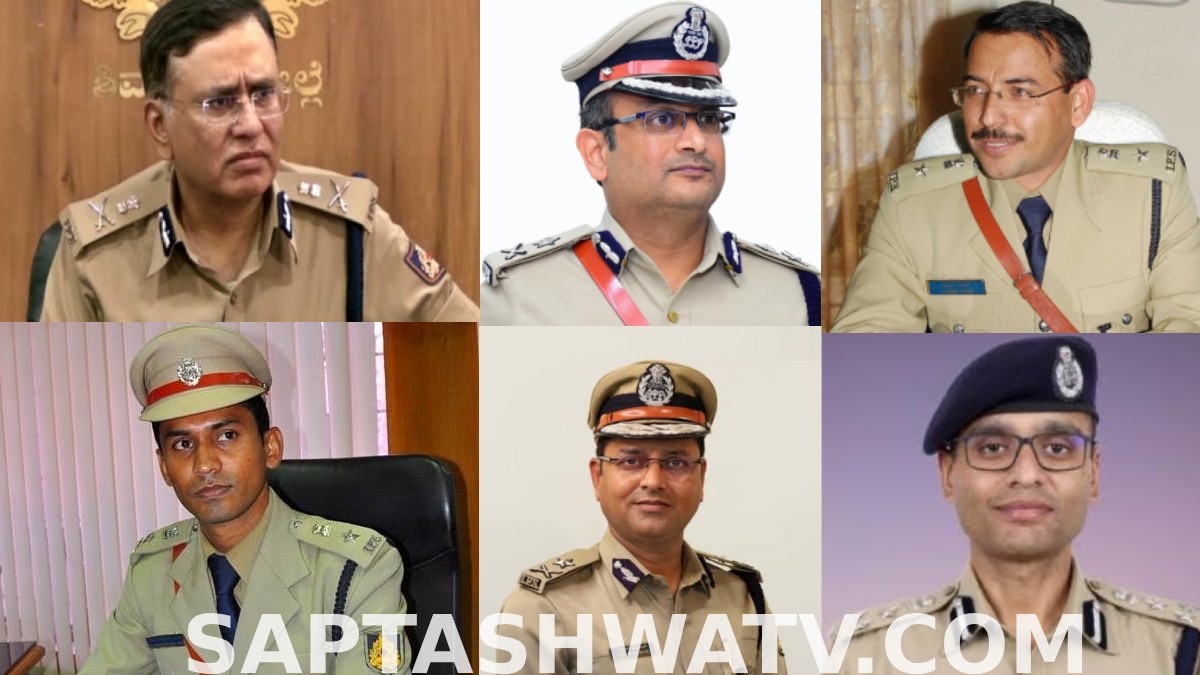
Senior IPS officer R Hitendra has been appointed Bengaluru’s first Chief Police Commissioner to head all five commissionerates administrative move that will make law enforcement more effective, coordination between police and other agencies better and police services more accessible in India’s IT capital.
Commissioners have been appointed to head each of the five divisions which is a major change in how Bengaluru’s police administration will work going forward. As the city continues to expand rapidly (in terms of population, infrastructure, business activity and geographical spread) policing will come closer to local communities and management of law and order improved.
As per the new arrangement Bengaluru will have five police commissionerates Central Bengaluru, East Bengaluru, North Bengaluru, South Bengaluru and West Bengaluru. Each commissionerate will be headed by a senior police officer who will oversee policing in that jurisdiction.
Senior IPS officer R Hitendra would be first Chief Police Commissioner coordinating and overseeing all five units. The appointment is significant because it is a new leadership structure being set up to meet the policing requirements of a rapidly growing metropolitan city.
They will head their commissionerates and police responsibilities in their respective areas.
The division of city into five administrative units is expected to distribute responsibilities more effectively and focus leadership on different parts of Bengaluru.
Labhu Ram will head Central Bengaluru; Dr PS Harsha for East Bengaluru; Dr MB Boralingaiah for North Bengaluru; Vamsi Krishna for South Bengaluru and Vikash Kumar for West Bengaluru. The appointments bring police leadership experience into the new system but each commissioner is expected to focus on the law enforcement needs and challenges in their jurisdiction.
Bengaluru has grown rapidly over the past several decades. Major technology companies, educational institutions, commercial establishments, residential neighbourhoods and transport infrastructure are all part of the city’s landscape.
Its population growth and traffic congestion have complicated law enforcement agencies because police personnel need to perform many roles (crime prevention, investigation, traffic management, cybercrime, public safety, emergency response, crowd control etc.) and manage them all over a large metropolitan area. This can put pressure on a centralised policing administration.
Introducing five commissionerates could help with some of these administrative problems by giving policing units more focus. Rather than relying on one citywide commissionerate for all local policing needs there will be leadership at regional level to manage those requirements (decision making, coordination and speed of response). Senior officers may also have more time to pay attention to crime patterns in neighbourhoods and specific security issues facing their jurisdictions.
One of the expectations from the new structure will be better access to police services by residents. Faster responses to complaints, coordination between police stations and stronger monitoring of criminal activities are some areas where restructuring could help. Bengaluru also has growing concerns around cyber fraud, online financial scams, property offences, drug trafficking and traffic violations. A more decentralised administrative structure could allow police leadership to focus on these challenges according to local needs.
However, how the new system works will depend on how responsibilities are distributed; how coordination is done between the five commissioners and what resources are given to each commissionerate. Clear jurisdictional boundaries, police personnel, modern technology and communication between units will all be needed for smooth running.
Chief Police Commissioner will also have an important role in coordination as well as ensuring that the five divisions work towards common citywide policing objectives.
This is a big announcement for Bengaluru’s law enforcement administration. As India’s technology capital grows it is also reorganising policing structure to meet changing realities of urban life.
With R Hitendra appointed as the first Chief Police Commissioner and five senior officers assigned to head regional commissionerates now attention will turn to how this new arrangement works out and what improvements it brings to public safety and policing in Bengaluru.
Five New Bengaluru Police Commissionerates and Their Heads in Details:
|
Commissionerate |
Appointed Commissioner |
|---|---|
|
Central Bengaluru |
Labhu Ram |
|
East Bengaluru |
Dr PS Harsha |
|
North Bengaluru |
Dr MB Boralingaiah |
|
South Bengaluru |
Vamsi Krishna |
|
West Bengaluru |
Vikash Kumar |



Comments