
Pakistan’s Minister Musadik Masood Malik has refused to directly answer questions about his ‘cut off those hands’ remark against India over the Indus Waters Treaty (IWT). The Pakistani minister was in New Delhi for the Shanghai Cooperation Organisation (SCO) Civilisational Dialogue Forum when journalists asked him about his aggressive statements earlier and whether he regretted making such remarks.
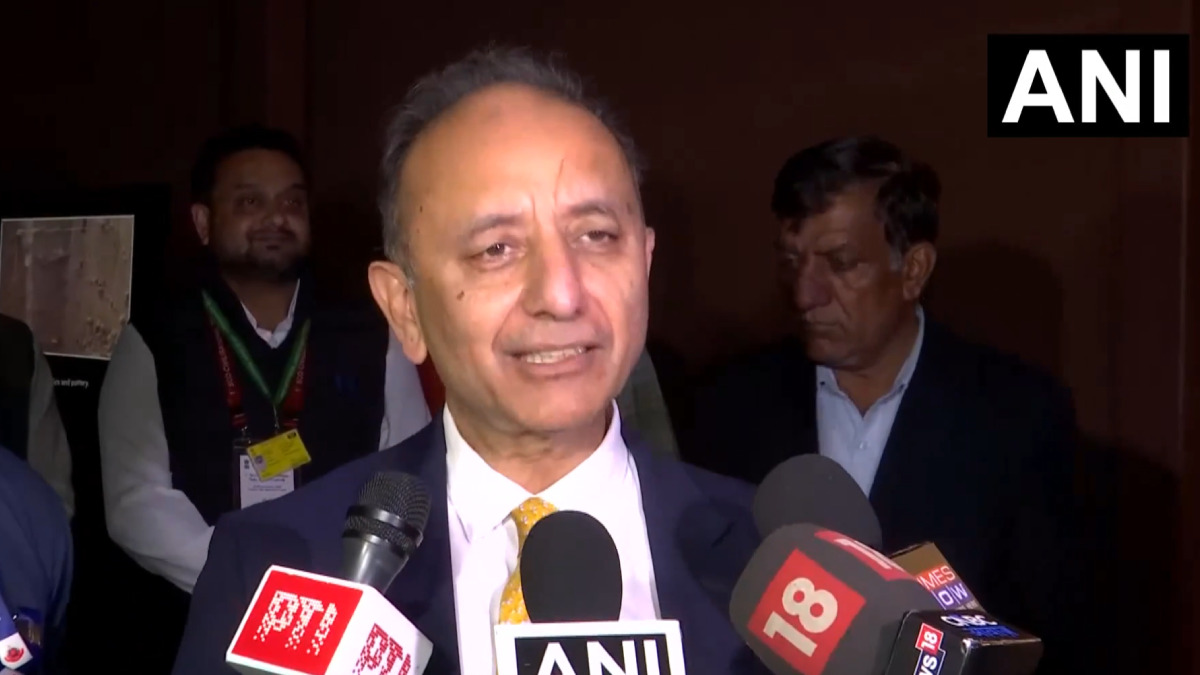
Instead of answering the question directly, Malik said that he had not come to India to discuss bilateral disputes or negotiate a water-sharing agreement. His response has been much discussed, as he had earlier warned against any attempt to interfere with Pakistan’s share of Indus waters.
When journalists asked Malik about the Indus Waters Treaty, he said Pakistan would discuss it if India formally invited him for bilateral talks. He reportedly said, "When you invite me to talk about the Indus Water Treaty, we will talk (about it). You haven’t invited me to talk about the Indus Water Treaty at this moment". He also said that his visit was related to the SCO event and not for any bilateral talks. Asked about his threatening statement earlier, the minister didn’t give a direct explanation, nor did he express regret over the controversial remark.
Malik’s comments are significant because in June 2026 he had warned Pakistan would “cut off those hands” that were trying to interfere with its water supply. He said this while speaking at a joint press conference with Pakistan Information Minister Attaullah Tarar. Malik had criticised India for putting the Indus Waters Treaty on hold and accused New Delhi of trying to control Pakistan’s water resources. His comments drew political and diplomatic attention amid already strained relations between the two neighbours. He had also pointed out that Pakistan was heavily dependent on the Indus River system (agriculture, food security and employment).
Malik arrived in New Delhi on November 20 to represent Pakistan at the SCO Civilisational Dialogue Forum, which concluded on November 22. His visit was significant because it was the first time a Pakistani federal minister had visited India since May 2023.
India had invited National Heritage and Culture Minister Aurangzeb Khan Khichi for the forum, but Islamabad nominated Musadik Malik instead. The three-day meeting brought representatives of SCO member countries together to discuss cultural heritage, civilisation, art, architecture, literature and philosophical traditions. It was not meant as a platform for bilateral negotiations between India and Pakistan.
The Indus Waters Treaty has been a major bone of contention between India and Pakistan ever since New Delhi put it in abeyance on April 23, 2025 (following the Pahalgam terror attack that killed 26 people), saying the treaty will remain in abeyance until Pakistan credibly and irrevocably ends its support for cross-border terrorism. Pakistan strongly opposed the move and repeatedly raised concerns about the impact on water security. The 1960 agreement signed with the World Bank as facilitator governs sharing of the Indus River system between the two countries.
Malik told journalists in his latest interaction that he was ready to talk about difficult bilateral matters when an invitation was extended. He said both countries should first deal with relatively easier issues and broader regional cooperation before tackling more complicated disagreements.
His comments have once again underlined the diplomatic differences between New Delhi and Islamabad. While Pakistan continues to take up the Indus Waters Treaty issue internationally, India has stuck to its line, linking the future of the treaty to concrete action against cross-border terrorism. Malik’s refusal to directly confront his earlier threatening statement has added another dimension to the diplomatic debate over water security and bilateral relations.



Comments