
India’s high-speed rail dreams have been given a major boost as Prime Minister Narendra Modi has approved the proposed Southern Bullet Train Corridor between Bengaluru, Hyderabad, Amaravati and Chennai.
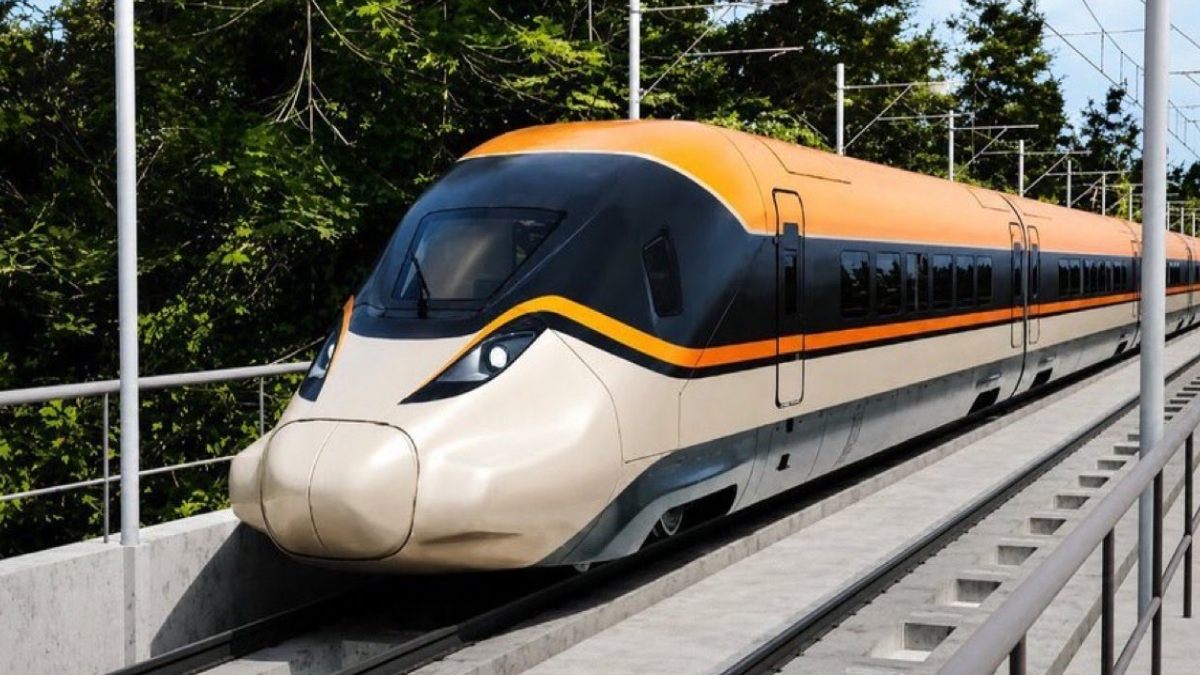
Union Railway Minister Ashwini Vaishnaw announced this on November 1, 2026 at the flag off ceremony of Bengaluru Mumbai Vande Bharat Sleeper train in Bengaluru. The proposed high speed rail network will change intercity transportation in South India by drastically reducing travel time between some of the region’s biggest economic and technology centres.
As per the travel-time estimates shared by the Railway Minister passengers could travel from Bengaluru to Chennai in just 73 minutes while travelling from Bengaluru to Hyderabad could take about 2 hours and 10 minutes.
The proposed corridor will link four cities across southern India (Karnataka, Telangana, Andhra Pradesh and Tamil Nadu) via faster railway links. Bengaluru is known as India’s technology and startup capital but has economic ties with Hyderabad and Chennai too Hyderabad is an IT, pharmaceutical and business centre; Chennai is important automobile manufacturing, industrial and commercial hub; Amaravati (proposed capital region of Andhra Pradesh) will also benefit as state plans for infrastructure and economic development move forward. Bringing these cities closer through high speed rail will help promote greater economic integration and make business and personal travel easier.
One of the biggest announcements is the proposed Bengaluru-Chennai travel time of just 73 minutes. Passengers travelling between these two cities generally rely on trains, buses, private vehicles and flights (duration varies with service and traffic conditions).
High speed rail connection could reduce travel time drastically making same day business trips easier between the two cities. Similarly Bengaluru to Hyderabad journey (proposed) of about 2 hours 10 mins could be a faster option for professionals, entrepreneurs, students and regular travellers. Travel time reduction would also encourage companies to expand their business operations across these cities.
Railway Minister Ashwini Vaishnaw called the project an important step towards connecting major economic and technology centres into a larger integrated economic region. He said improved high speed connectivity would have multiplier effect for southern states (business activities, investment, employment and regional development).
The announcement was made at an important railway event in Bengaluru which was also attended by Union Ministers H.D. Kumaraswamy and Pralhad Joshi and Ministers of State V. Somanna and Shobha Karandlaje. The minister said India wants to expand its bullet train network further and additional high speed rail corridors will be announced in the coming years.
The Southern Bullet Train Corridor could also have major benefits for Karnataka’s economy (especially Bengaluru). Bengaluru is one of India’s largest technology and employment centres attracting professionals, entrepreneurs, investors and business travellers from across the country.
Faster connectivity with Hyderabad, Chennai and Amaravati would open up new markets and opportunities for companies operating in multiple states businesses may be able to coordinate meetings, run operations and connect with clients without relying on air travel alone. Improved transportation network might also encourage investment in industrial areas, commercial hubs and infrastructure projects along the proposed corridor.
The automobile and manufacturing industries could also benefit from faster connectivity between these cities. Chennai has a strong automobile manufacturing ecosystem, Bengaluru is technology and aerospace hub; Hyderabad has pharma and technology industry; Andhra Pradesh is developing its industrial and infrastructure sectors better transportation links would strengthen business relationships between these industrial centres and support movement of skilled professionals.
The corridor could also help tourism by making it easier for people to visit important destinations across the four states.
🚅 Are you ready? Making of Bharat’s first Bullet Train! #Bharat_BulletTrain https://t.co/c4X0jEvusM
— Ashwini Vaishnaw (@AshwiniVaishnaw) November 1, 2026
But several important details about the project have not been announced yet. Though Prime Minister’s approval has been confirmed by Railway Minister Ashwini Vaishnaw, route alignment details, total project cost, land acquisition requirement, construction schedule and expected completion date have not been announced in the announcement either.
Travel time estimates given are indicative only and should not be compared with current train services as yet available. Planning, engineering assessments, infrastructure development etc will need to take place before construction and commercial operations can begin.
The announcement also comes as India looks to expand its ambitions of building a nationwide high speed rail network. The country is already working on the Mumbai-Ahmedabad Bullet Train project which is expected to usher in new era of high speed railway transportation.
Southern Corridor would be another major step towards connecting important economic regions with advanced railway infrastructure. Government has been looking at passenger transport, modernising railway facilities and faster connections between big cities.
For millions of people who travel between Bengaluru, Chennai, Hyderabad and Amaravati regularly the proposed corridor could eventually change how they plan their journeys a Bengaluru-Chennai journey of just over an hour and a Bengaluru-Hyderabad journey of about two hours could make long distance travel much more convenient; it could reduce dependence on road transport and offer an alternative to short distance domestic flights (ticket prices, station locations and service frequency being factors).
Overall, Prime Minister Narendra Modi’s approval of the proposed Southern Bullet Train Corridor is a positive step in India’s high speed railway expansion. Bengaluru, Hyderabad, Amaravati and Chennai will be connected faster by rail services that could strengthen economic cooperation between them, help develop regional economies and improve passenger mobility across South India.
Travellers have to wait for further details on construction and operational timelines but the announcement has already created expectations about what some of South India’s biggest cities might look like in a few hours time.





Comments